https://lacronicadesalamanca.com/665137-ma-jose-martinez-y-sara-barrasa-hablan-del-suelo-pegajoso

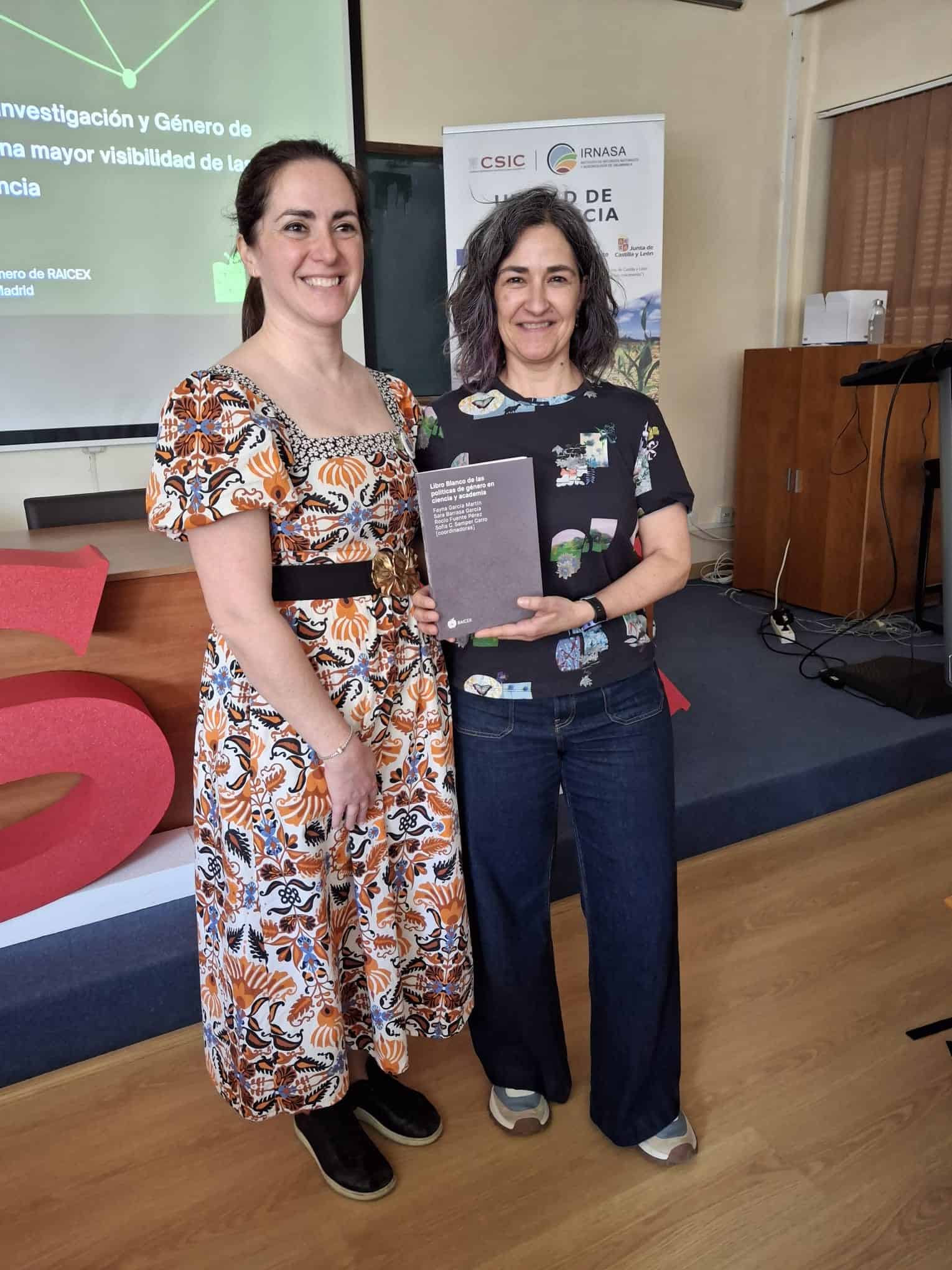
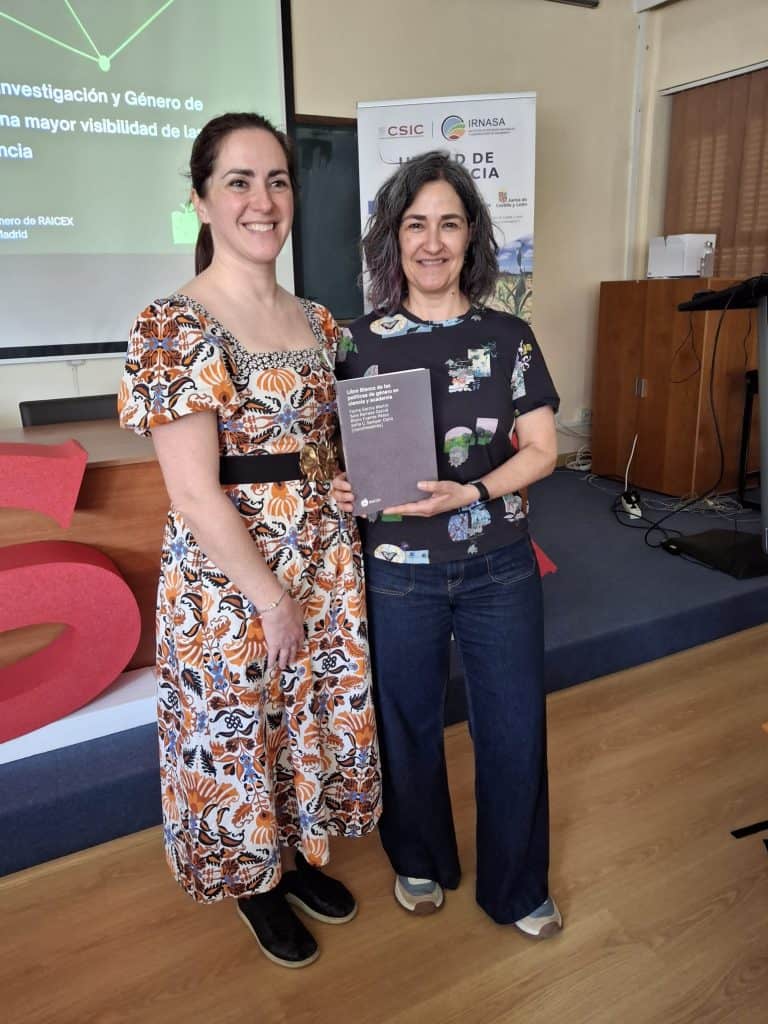
María José Martínez Bravo and Sara Barrasa García presented the White Paper on Gender Policies in Science and Academia at the Institute of Natural Resources and Agrobiology of Salamanca. The report, promoted by the Network of Spanish Researchers and Scientists Abroad (RAICEX), examines the situation of women in science across 14 countries and highlights that, despite progress in gender equality, significant barriers still limit women’s access to senior academic and research positions.
During the presentation, the authors focused on the concept of the “sticky floor,” which refers to the administrative, organizational, and support tasks that are disproportionately carried out by women and often receive little recognition in career advancement. The study also shows that while women are well represented in the early stages of scientific careers, their presence declines at higher leadership levels. The researchers announced that they are already working on an expanded edition of the report to further identify effective measures for reducing gender inequalities in science and academia.
https://lacronicadesalamanca.com/665137-ma-jose-martinez-y-sara-barrasa-hablan-del-suelo-pegajoso

Disclaimer:
The information here is not exhaustive, there are many different pathways to obtain British citizenship. You can find all the legal requirements on the websites of Citizens Advice1 and the UK government2. Here, we include general legal information about the naturalisation process, but this does not constitute legal advice.
What is going to change?
The british government has announced plans to modify the legal requirements for naturalisation. The proposals include increasing the minimum residency period from 5 to 10-20 years. Additionally, new requirements of minimum income and tax contributions will be introduced3. These changes could be implemented at any point over the coming year.
Who is currently eligible for naturalisation?
People who have held ‘EU Settled Status’ or ‘Indefinite Leave to Remain’ for over 12 months can apply for naturalisation. This 12 month waiting period is not required for spouses or civil partners of british citizens.
There are additional requirements such as not having spent more than 450 days outside the UK in the last 5 years.
What if you don’t currently meet the naturalisation requirements?
If you arrived to the UK after the 31st of December 2020, you might consider applying to Indefinite Leave to Remain as soon as you are eligible.
In general, people are eligible after 5 years with a skiller worker visa or 3 years with a Global Talent visa. You can find all the legal requirments for Indefinite Leave to Remain in the government website4.
Preserving your Spanish citizenship
Spanish citizens that acquire a new nationality must inform the Spanish consulate within 3 years. This process is necessary to prevent the loss of your Spanish citizenship. You can find how to do this process in the website of the consulate5.
References
2. https://www.gov.uk/browse/citizenship/citizenship
3. https://www.gov.uk/government/consultations/earned-settlement
4. https://www.gov.uk/indefinite-leave-to-remain 5..https://www.exteriores.gob.es/Consulados/londres/es/ServiciosConsulares/Paginas/index.aspx?scca=Nacionalidad&scco=Reino+Unido&scd=179&scs=Nacionalidad+espa%C3%B1ola+-+Conservaci%C3%B3n
To mark the International Day of Women and Girls in Science (11F) on February 6th, the Society of Spanish Researchers in the United Kingdom (SRUK/CERU) has reaffirmed its commitment to gender equity through a day of outreach and mentorship at the Instituto Español Vicente Cañada Blanch.
The event, led by Maria José Martinez Bravo, chair of the SRUK/CERU Wom=n in Science committee, featured a group of volunteer researchers from the society, aimed to break gender stereotypes and encourage research vocations from an early age. Through hands-on workshops and career talks, students were able to learn first-hand about the real career paths of Spanish researchers in the United Kingdom.
A commitment to equality and female leadership
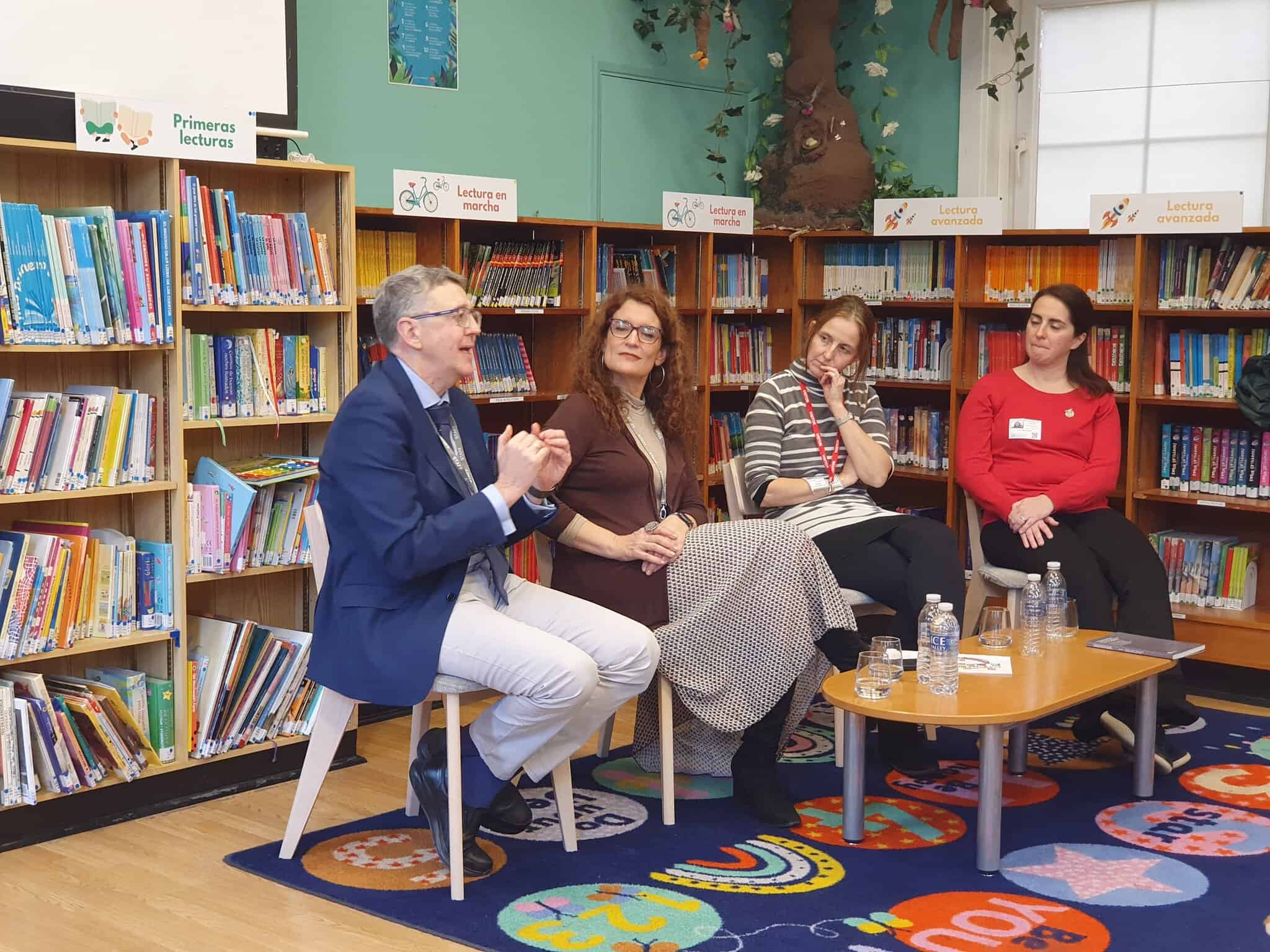
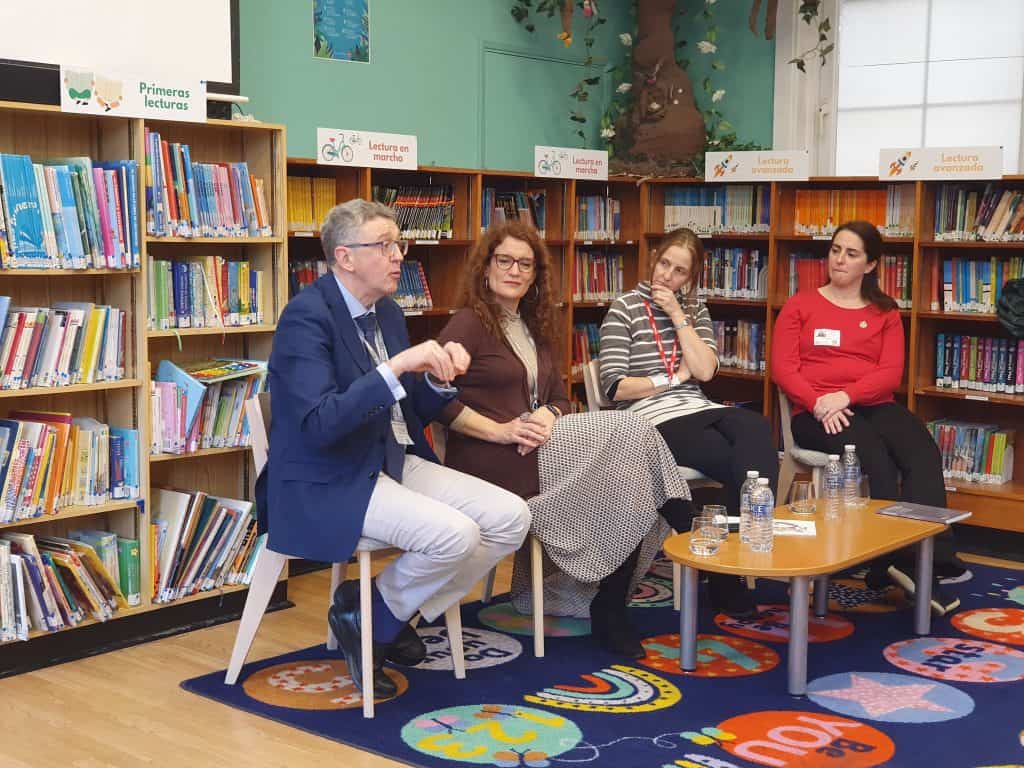
The session featured the participation of Eva Ortega Paíno, Secretary General for Research at the Spanish Ministry of Science, Innovation, and Universities. Ortega Paíno took part in a round-table discussion with senior students, addressing critical topics such as co-responsibility, unconscious bias, and non-linear career paths as non-negotiable points to achieve equality in the scientific and professional fields.
The day was brought to life thanks to the expertise and altruistic dedication of SRUK researchers who carry out their work at prestigious institutions in the United Kingdom.
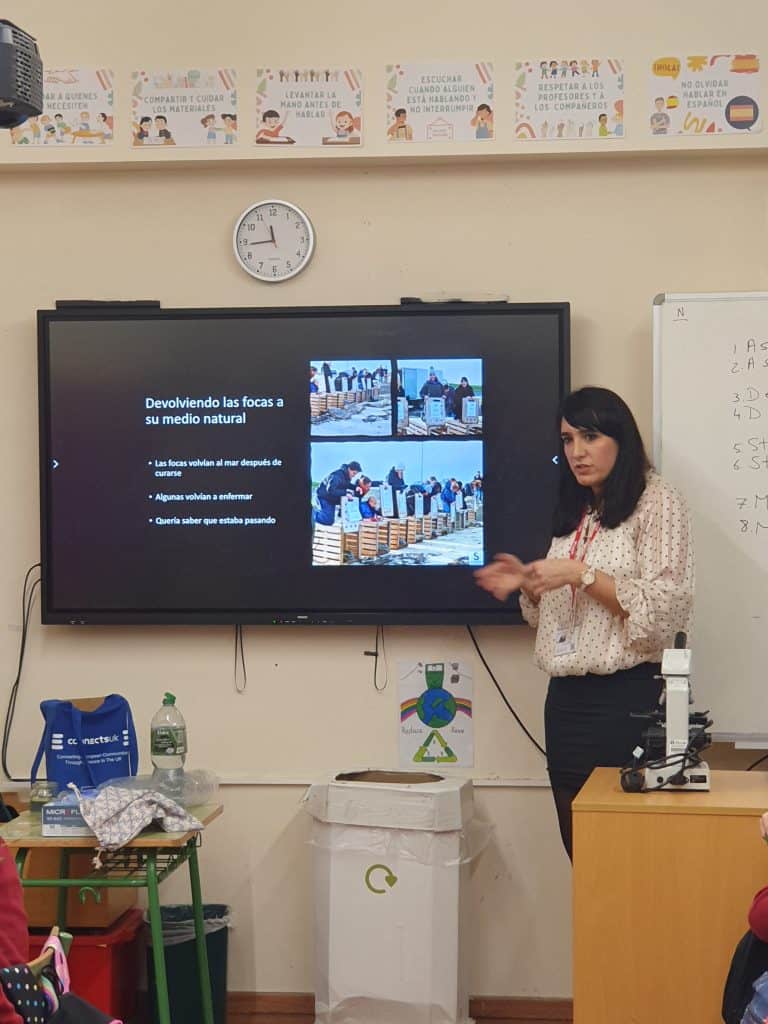
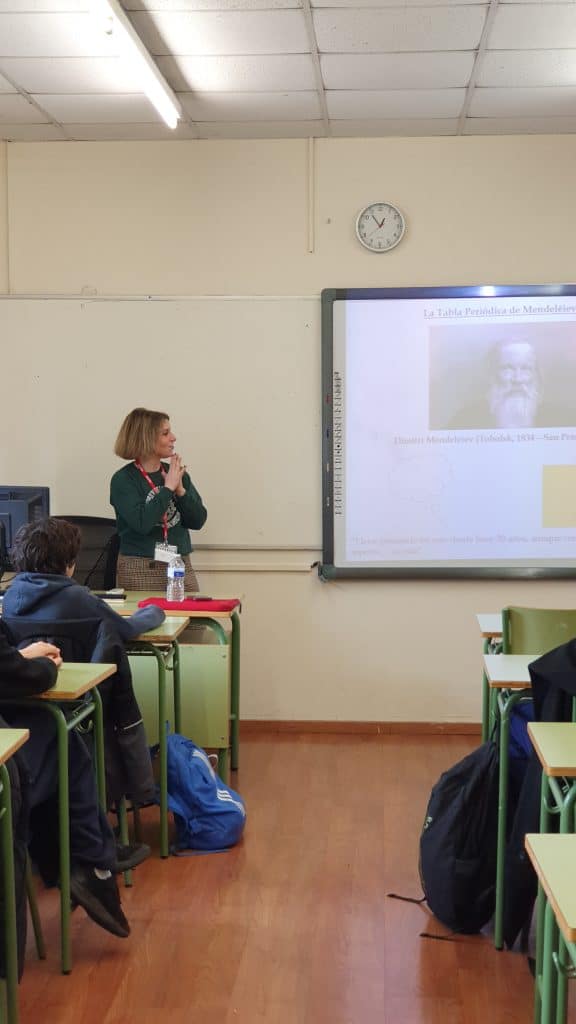
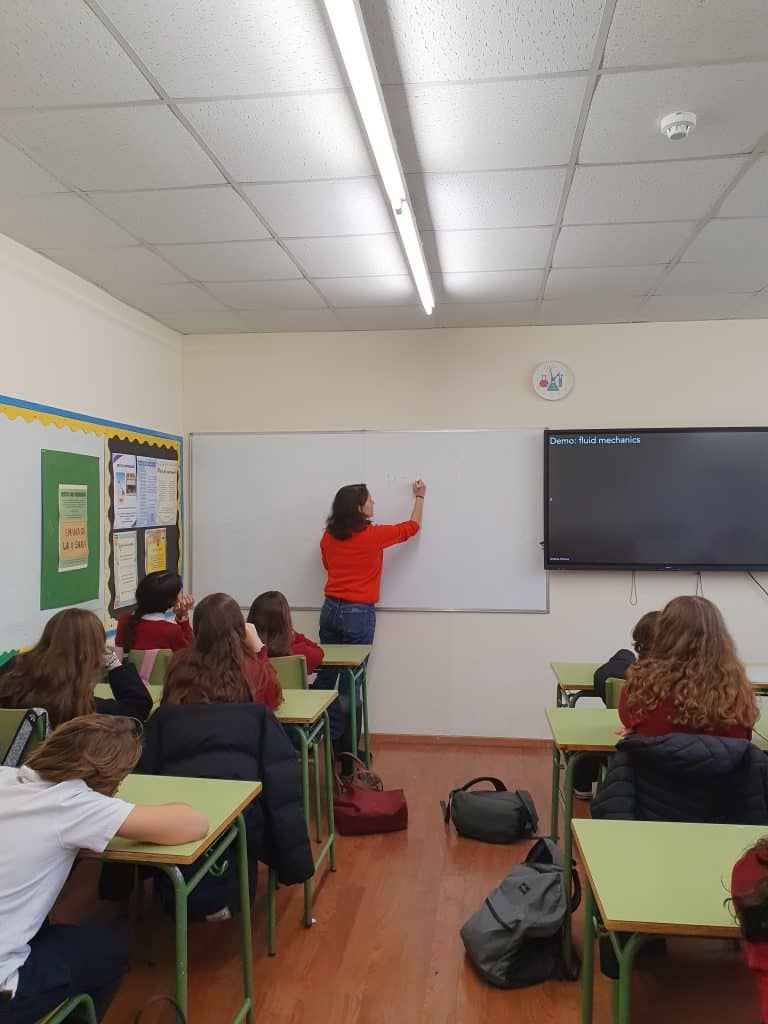
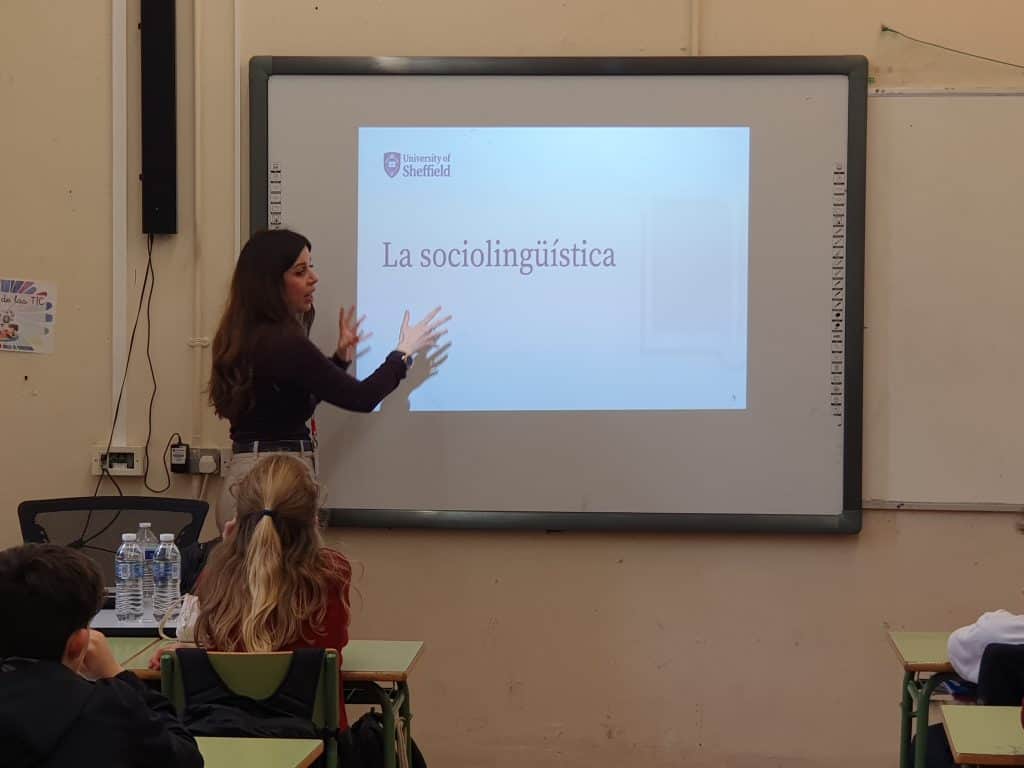
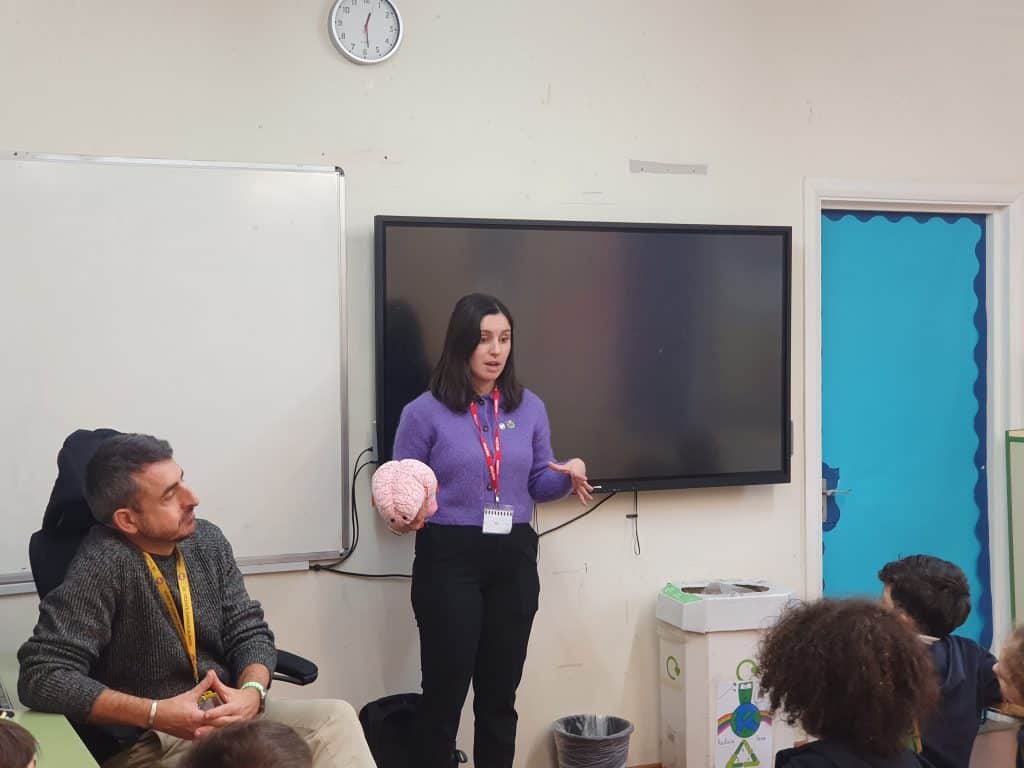
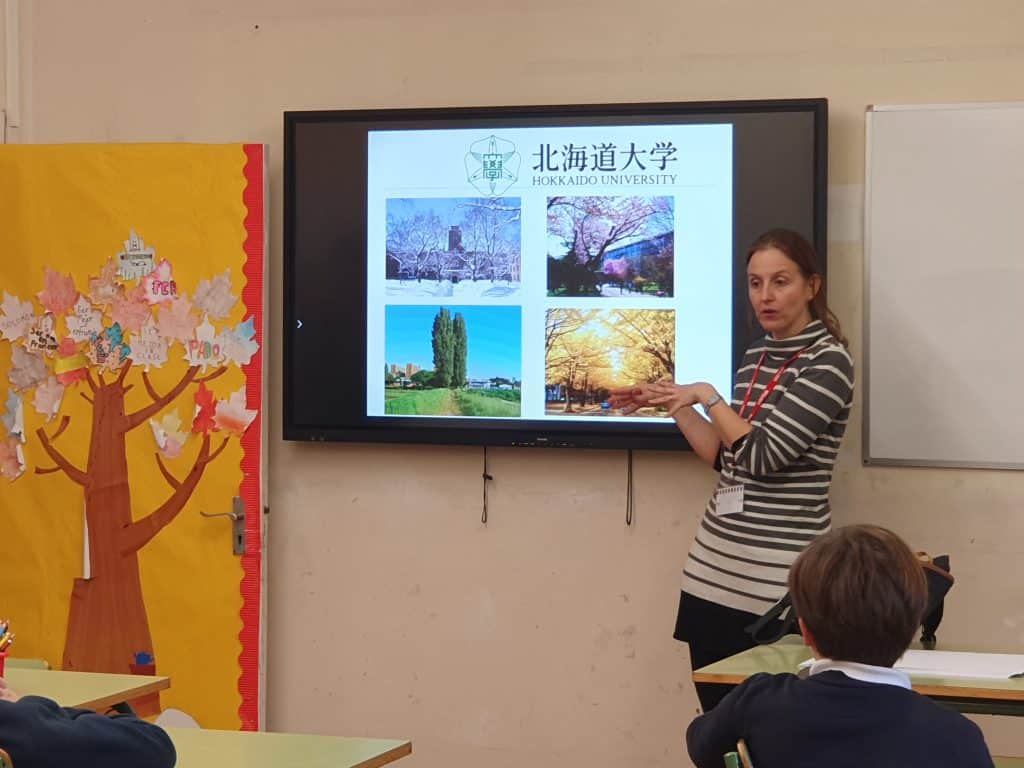
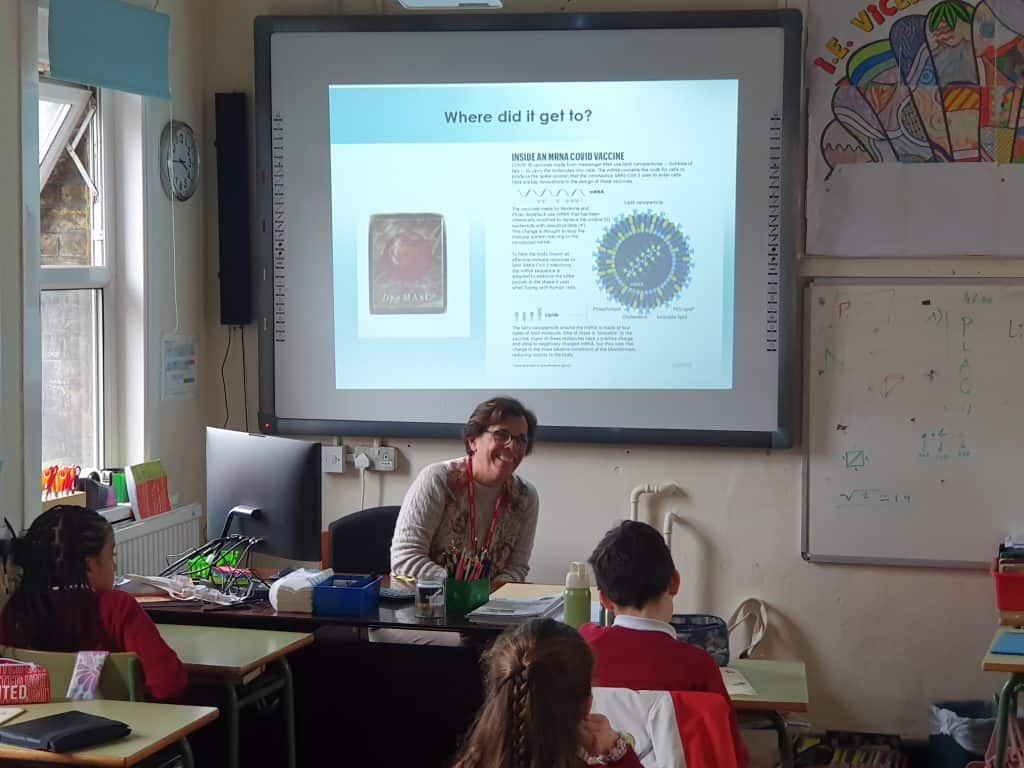
They were the ones who led the activities and shared their professional journeys. Thank you very much for your collaboration in such an important event.
Inspiration and outreach must begin early to achieve real gender equity.
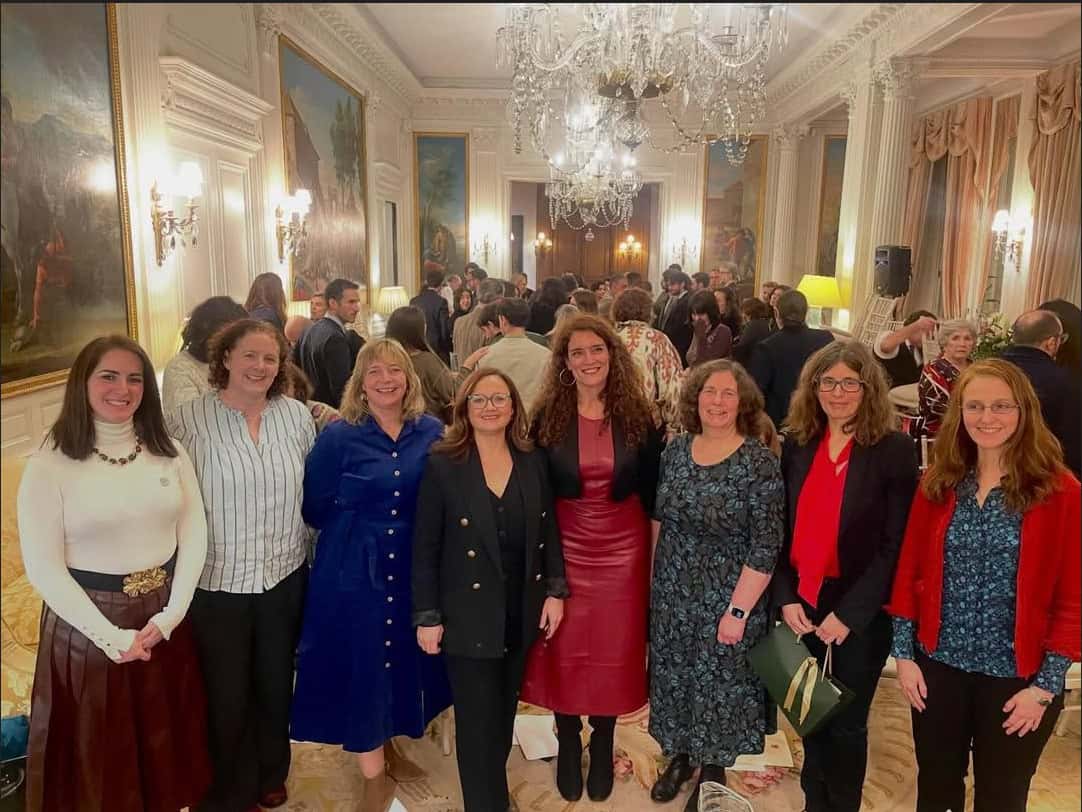
London, February 5th 2026 – Residence of the Ambassador of Spain in London
On February 5th, the event “Improvements in Gender Gap in Academia: Learning Lessons” was held at the Residence of the Ambassador of Spain in London, in celebration of the International Day of Women and Girls in Science. The gathering brought together researchers, academics, policy makers, and representatives from funding agencies to reflect on progress made in gender equality within academia and the challenges that remain.
The event began with the presentation of the White Paper on Gender Policies in Science and Academia, a report led by the Research and Gender Committee of the Network of Associations of Spanish Researchers and Scientists Abroad (RAICEX), where the Wom=n Equity and Research committee of the Society of Spanish Researchers in the United Kingdom (SRUK/CERU) completed the analysis and drew conclusions on the gender situation in the British academia. This document analyses the gender policies implemented across 14 countries and identifies key stages in academic careers where gender inequalities persist, while also highlighting good practices and lessons learnt to help reduce the gender gap in science.
The event opened with welcoming remarks by the Ambassador of Spain to the United Kingdom of Great Britain and Northern Ireland, Ambassador Emma Aparici Vázquez de Parga, who emphasized the importance of gender equality in the political sphere. This was followed by an inspiring presentation by the Secretary General for Research at the Spanish Ministry of Science, Innovation and Universities, Dr. Eva Ortega-Paíno, who highlighted the need to promote public policies aimed at overcoming the gender gap. Subsequently, Dr. Fayna García Martín, coordinator of the White Paper, presented the most significant gender data in Spanish academia. During this presentation, we also had the valuable opportunity to learn about the work carried out by Dr. María José Martínez Bravo in this study, including the various challenges and the results of her research in the UK context.
Following this opening, a round table discussion took place with the participation of:
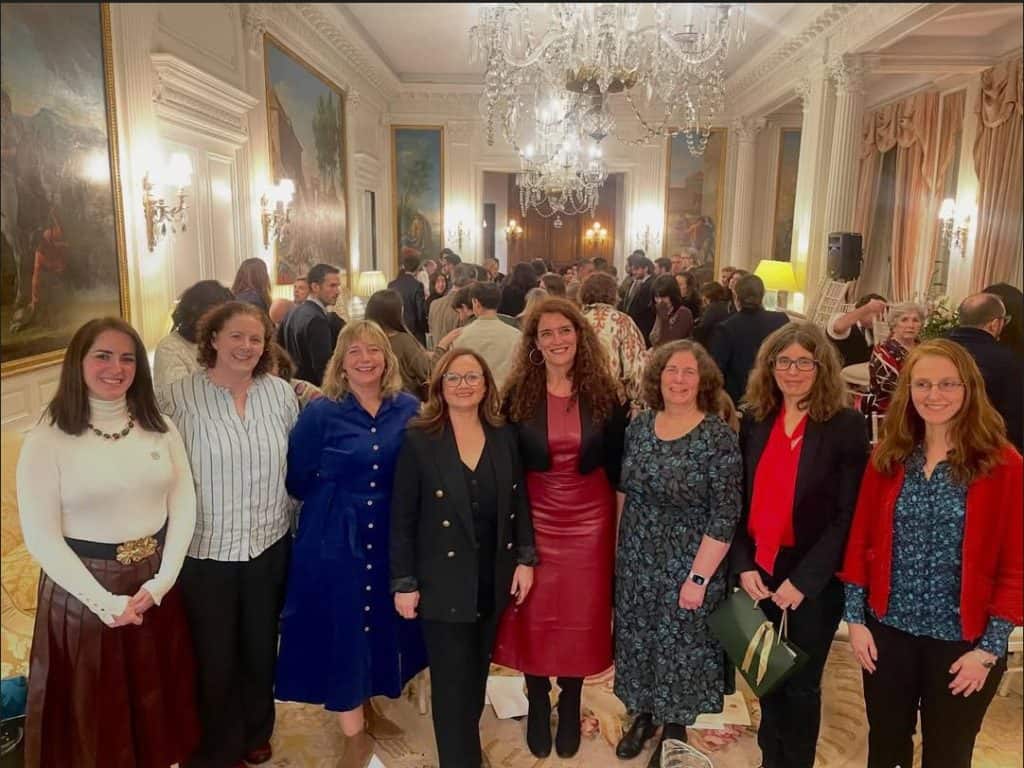
During this session, we had the valuable opportunity to learn how evidence-based policies and institutional changes can contribute to creating a more inclusive and equitable academic environment. During the roundtable discussion, the participants highlighted the importance of collaboration between institutions, governments, and the scientific community in order to achieve progress in gender equality within academia. Dr Eva Ortega Paíno emphasized that “unity builds Science, but it also builds equality,” a nod to the RAICEX motto, adding that “it is necessary to implement gender-balance measures while also taking cultural differences into account”.
As the discussion continued, the speakers shared several key reflections. Dr Fayna Garcia Martin focused on structural barriers that remain deeply embedded in academic careers, particularly in senior leadership positions within academia. In this context, Prof Sara Mole highlighted the need for universities to explicitly recognise the institutional effort involved in participating in initiatives such as Athena Swan, which assess impact across areas as broad as research, teaching, and institutional citizenship. From a funding perspective, Prof Bella Starling explained that Wellcome Trust requires clear assurances regarding gender equality and reviews whether internal processes may hinder applications from women, also stressing the importance of acting at early stages through inspiration and outreach programmes. It was also noted that breaking the glass ceiling requires moving away from viewing scientific careers as linear trajectories and instead valuing alternative paths that are equally valid and capable of driving change. For her part, Dr Tania Ramos Moreno stressed that structural changes must be sensitive to diverse realities, such as migration and gender, while Prof Iseult Lynch concluded by underscoring that support from senior leadership is crucial and that gender equality is a collective responsibility, not solely a women’s issue. The event concluded with thanks to the speakers and attendees.
This event reaffirmed SRUK/CERU’s commitment to promoting equality, diversity, and inclusion in science, as well as supporting initiatives that foster the professional development of women and other historically underrepresented groups in academia.
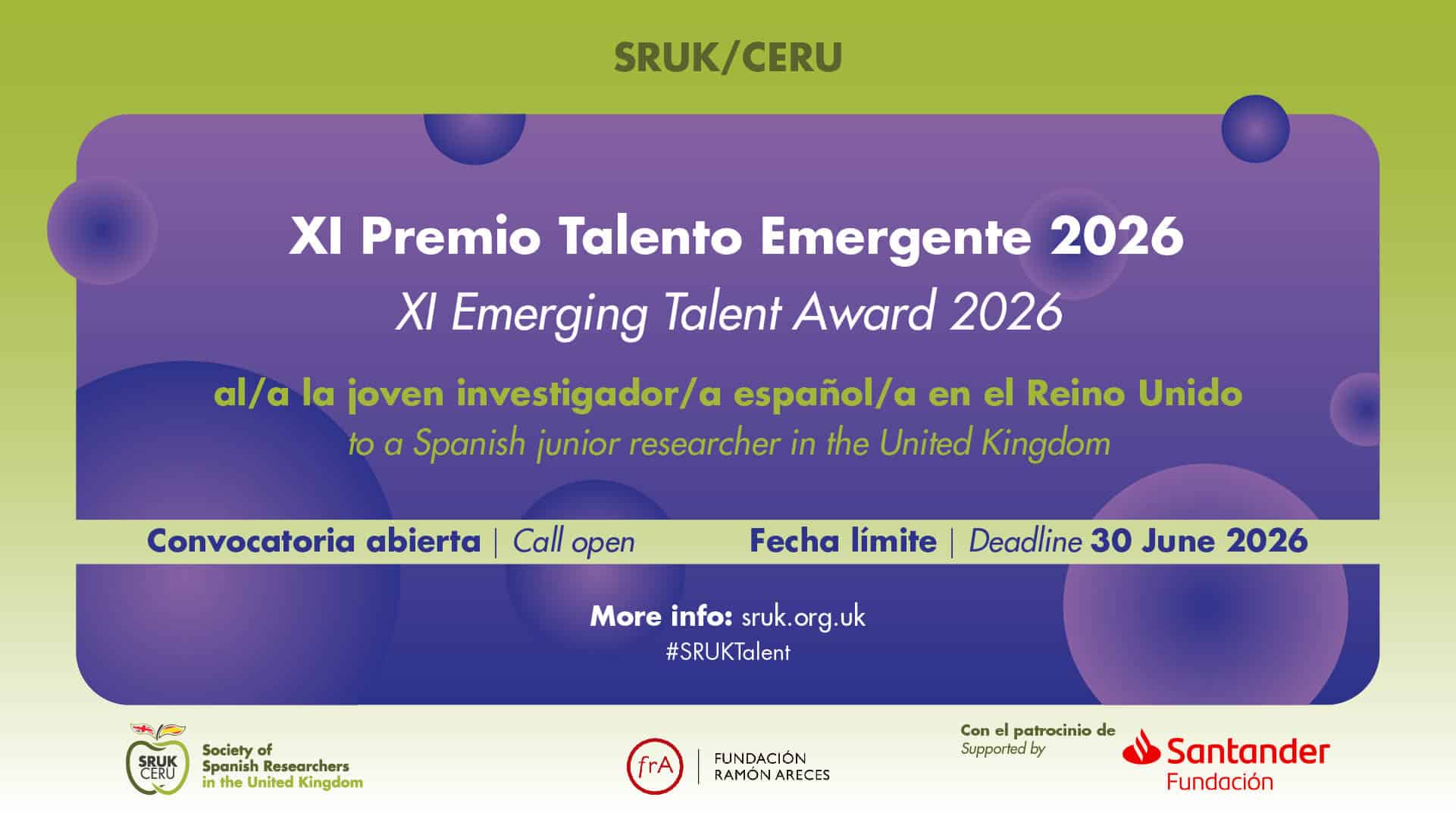
● The Society of Spanish Researchers in the United Kingdom (SRUK/CERU) and Fundación Banco Santander announce the tenth edition of the Emerging Talent Award, which recognises the career achievements of young Spanish researchers working in the UK.
● Applications are open until 30 June 2026 at 23:59 (UK time).
The Society of Spanish Researchers in the United Kingdom (SRUK/CERU), in collaboration with Fundación Banco Santander, is pleased to announce the eleventh edition of the Emerging Talent Award. This award highlights the contributions of young Spanish scientists conducting research in the UK and aims to support the development of their professional careers.
As a pioneering initiative, the award not only showcases emerging research talent but also reinforces institutional commitment to science within and beyond Spain’s borders. The winner will receive a financial prize of £14,000, which must be used to support their professional development, along with a commemorative sculpture created by renowned Spanish artist Cristina Iglesias.
Previous editions of the award have honoured researchers such as Dr Eva Hevia (University of Strathclyde), Dr Xavier Moya (University of Cambridge), Dr David Fairén (University of Cambridge), Dr Marc Vendrell (University of Edinburgh), Prof Susana García López (Research Centre for Carbon Solutions, Heriot-Watt University), Dr Rodrigo Ledesma Amaro (Imperial College London), Dr Nuria Tapia Ruiz (Imperial College London), Dr Roser Vento Tormo (Sanger Institute, University of Cambridge), Dr Emilio Martínez-Pañeda (University of Oxford) and Dr. Jesus Lizana Moral (University of Oxford).
Borja Baselga, Director of Fundación Banco Santander, stated: “At Fundación Banco Santander, we are proud to support this project, which strengthens scientific collaboration between the UK and the European Union, promotes the development of R&D&I policies, and raises public awareness of the outstanding work carried out by European researchers in the UK.”
Carlos Soler Montes, President of SRUK/CERU, added: “This award underscores the importance of international and inter-institutional collaboration in science and innovation. We are proud to recognise and support the outstanding careers of Spanish researchers in the UK and to bring their research closer to the citizens of both countries.”
Eligibility and Selection Process:
Applicants must meet the following criteria:
The award acknowledges the need for equitable evaluation by considering career interruptions such as maternity/paternity leave, illness, or caring responsibilities.
Applicants must submit the following documents:
All applications will be reviewed by a committee of esteemed researchers. The final decision will be ratified by an honorary jury composed of SRUK/CERU’s president, representatives of Fundación Banco Santander, and members of other collaborating institutions. The award recipient will be announced by the end of June 2025.
The award ceremony will take place in an emblematic location in the United Kingdom, in the presence of the Director of Banco Santander Foundation and the President of SRUK/CERU. The date will be agreed on by the organisation and the prize-winner. The ceremony will include the presentation of the award and a talk given by the winner about their work and professional career. A reception and networking event will be held at the end of the ceremony. The prize-winner’s travel and accommodation expenses will be covered.
The winner will be invited to give a seminar or webinar in 2027 on their professional career path and experiences.
Full details of the call, including evaluation criteria, can be found here.
For further information, please contact [email protected]
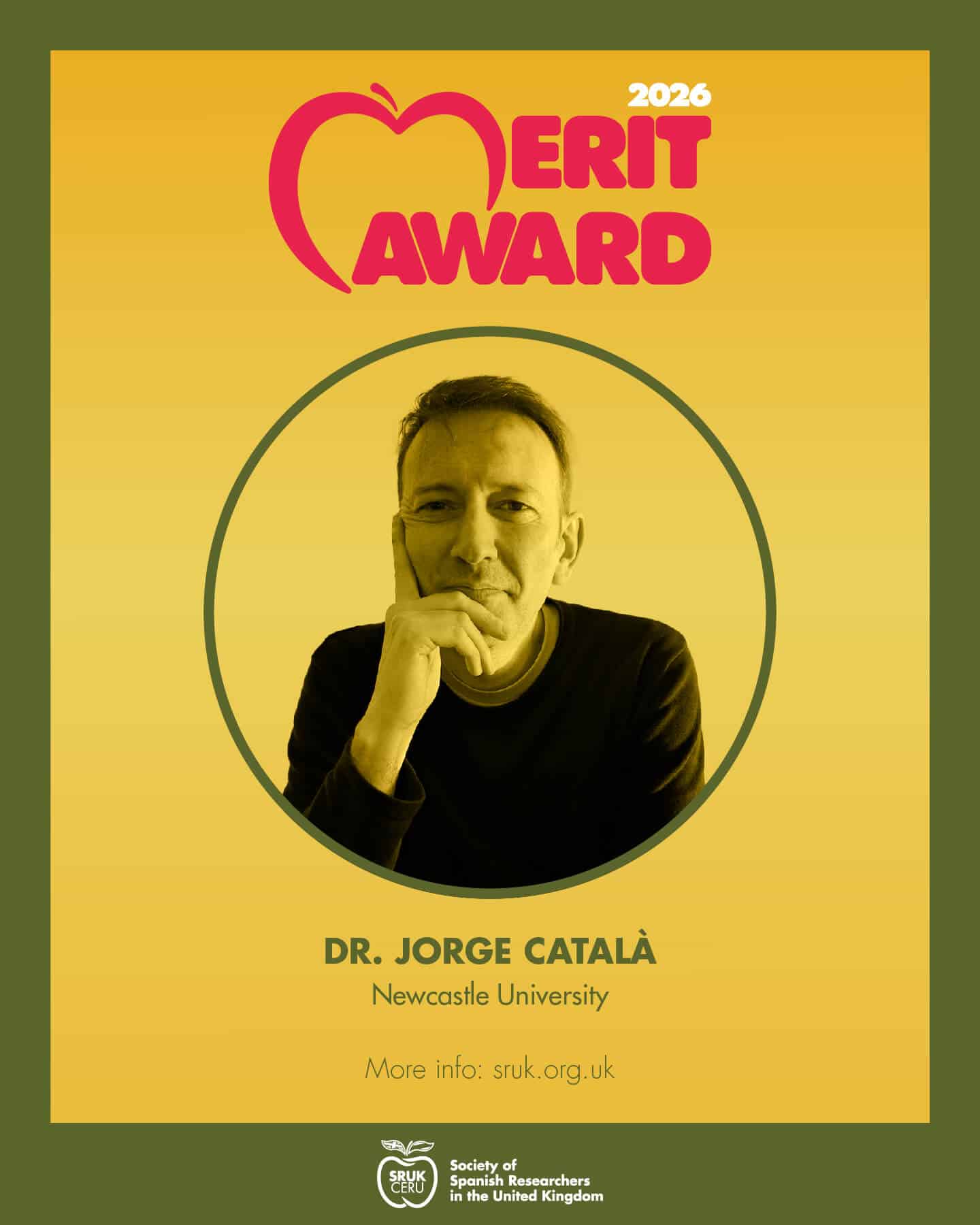
London, 5 May 2026. The Society of Spanish Researchers in the United Kingdom (SRUK/CERU) is pleased to announce that Dr Jorge Català is the recipient of the 2026 Merit Award for his internationally recognised contributions to Spanish and Latin American cultural studies, particularly in the fields of visual culture, comics studies, and memory studies. His research has played a key role in advancing the understanding of graphic narrative as a critical tool to examine historical memory, political crises, and cultural identity across the Spanish-speaking world.
Candidates for this award are nominated biennially by members of SRUK/CERU, shortlisted by the Society’s Executive Committee and then voted again by all its members. Previous awardees include Prof Carmen Galan (University of Bristol), Prof Mercedes Maroto-Valer (Heriot Watt University), and Prof Sonia Contera (University of Oxford).
About the awardee
Dr Jorge Català has been a member of Newcastle University since 2010, where he is currently Reader in Spanish and Cultural History. Originally from Valencia, he has developed an internationally recognised research profile in contemporary Spanish and Latin American cultural production.
His work is characterised by a strong interdisciplinary approach, combining cultural analysis, visual studies, and memory studies. He has authored and co-authored numerous peer-reviewed articles, book chapters, and edited volumes in leading international outlets, contributing to key debates in Hispanic studies and helping shape emerging fields such as comics studies within the Spanish-speaking context.
His monograph Vanguardia y humorismo gráfico en crisis (2015) offers a ground-breaking analysis of avant-garde graphic humour in Spain and Cuba, while his co-edited volume Comics and Memory in Latin America (2017) has contributed to establishing new interdisciplinary perspectives in the field. His latest publication, Cómics y guerra (2025), is a didactic guide aimed at secondary school students, exploring the relationship between war and comics through the lens of memory studies.
Research and international collaboration
Dr Jorge Català has played a leading role in major international research initiatives. He served as Co-Principal Investigator on the Marie Curie–RISE (Horizon 2020) project Cultural Narratives of Crisis and Renewal (2015-2018), coordinating a large network of 8 universities and 80 researchers from Europe and Latin America, focusing on the analysis of cultural production in these regions through the lens of crisis and renewal. He has been a co-investigator and UK representative in the COST Action iCOn-MICS (2020-2024) and, more recently COsMICs (2025-2029), where he serves as a management committee member and work group leader. COsMICs pioneers an inter and multidisciplinary approach combining natural sciences, engineering and technology, medical and health sciences, agricultural sciences, social sciences, and humanities creating a comprehensive framework for promoting interdisciplinary and multidisciplinary knowledge approaches in order to federate researchers, artists, professionals of both science and comic sector and cultural and social institutions.A defining feature of his career is his commitment to strengthening academic links between Spain and the UK. Through collaborative projects, research stays, and active participation in international networks, he has consistently contributed to fostering scientific exchange between both countries, as well as across Europe and Latin America.
Academic leadership and community engagement
In addition to his research achievements, Dr Jorge Català has demonstrated strong academic leadership. As Head of Spanish, Portuguese and Latin American Studies at Newcastle University (2021–2025), he played a key role in shaping the strategic direction of the discipline and supporting both colleagues and students.
He has also been actively involved in SRUK/CERU activities, particularly within the Northeast constituency, where he has contributed to organising events and supporting community initiatives.
Dr Català’s work exemplifies the values of SRUK/CERU through its academic excellence, international reach, and commitment to collaboration between Spain and the United Kingdom.
Additional recognition
As part of this recognition, Dr Català will receive honorary membership of SRUK/CERU and will join the Scientific Advisory Board as a distinguished advisor.
Regarding this recognition, Jorge Catalá stated: “I am truly honoured to receive the SRUK/CERU Merit Award, and I would like to thank all SRUK/CERU members for making this society such an inclusive and inspiring space for interdisciplinary research and curiosity. I look forward to continuing to work alongside my colleagues in SRUK/CERU in the years to come!”
Carlos Soler Montes, President of SRUK/CERU, indicated that: “Dr Català’s award marks a significant milestone, as he becomes the first recipient of the SRUK/CERU Merit Award from the humanities. This recognition highlights the essential contribution of the humanities to research, innovation, and societal impact.”
Award ceremony
The award will be presented at the 13th SRUK/CERU International Symposium, to be held at the University of Oxford from 26 to 28 June 2026.
For more information about the symposium programme and to register, please visit: https://symposium.sruk.org.uk/event-2026/
Further information about Dr Català’s research and academic profile can be found on his institutional webpage: https://www.ncl.ac.uk/sml/our-people/profile/jorgecatala-carrasco.html
Download the press release at this link:
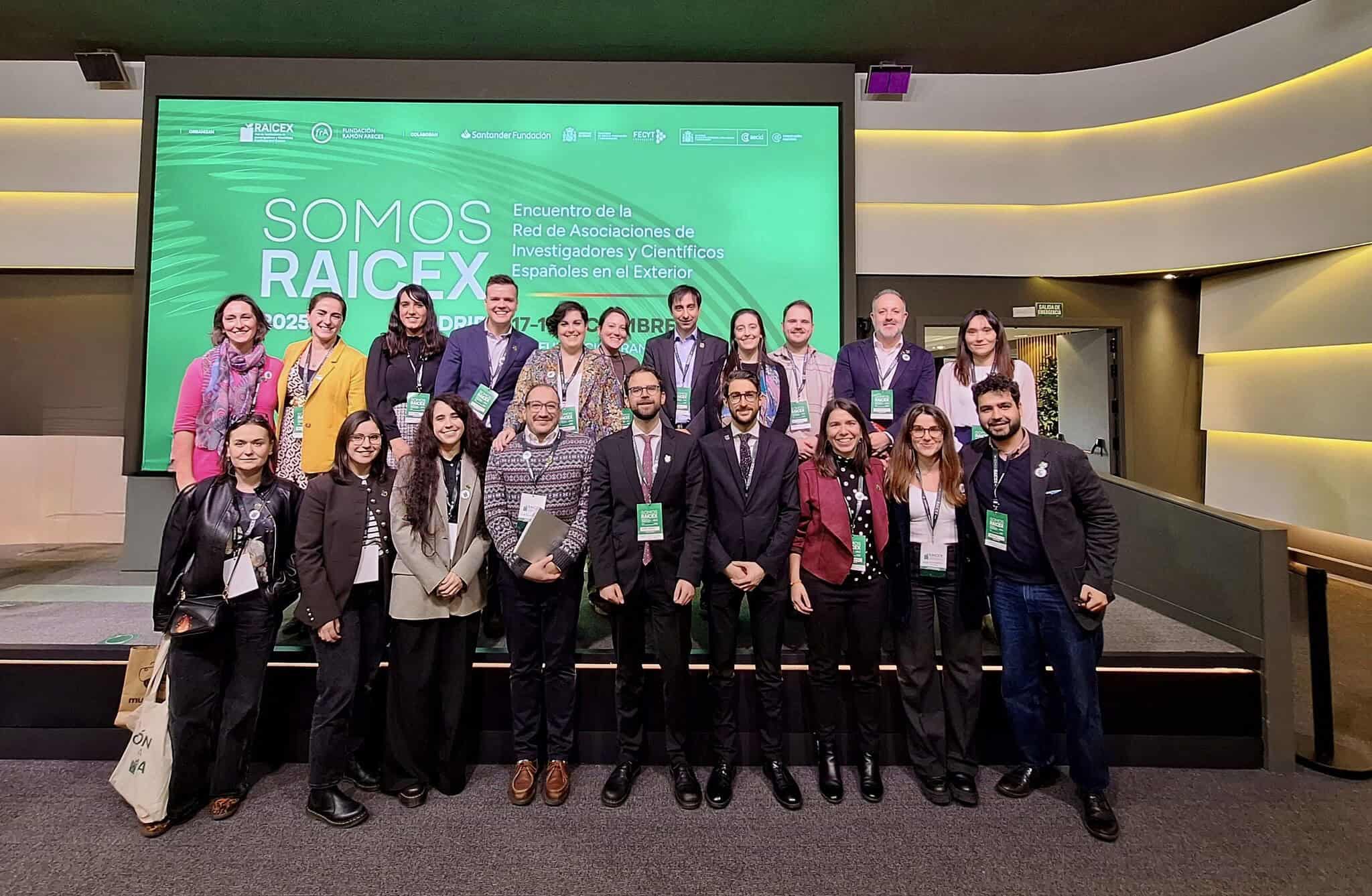
On 17–18 December, nearly 200 scientists representing the 22 associations that make up RAICEX convened at the Fundación Ramón Areces in Madrid to commemorate the network’s seventh anniversary. The event comprised two days dedicated to reflection, learning, and community building.
RAICEX is a unique global network of 4,500+ researchers, across 22 associations in 40 countries, united by a shared commitment to science, collaboration and public service.
SRUK/CERU was represented by a delegation of more than 20 members, including founding presidents, members, volunteers, executive committee representatives, and recipients of previous SRUK/CERU Emerging Talent Awards, reflecting the strength and diversity of its community.
The event was organised by Dr Irene Echeverria, former President of SRUK/CERU, and Dr Almudena Muñoz. Dr Echeverria also opened and presented the event and moderated several roundtable discussions. Over the past year, she led the development of RAICEX’s seven strategic objectives for the next seven years.
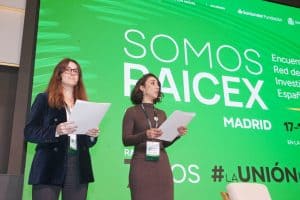
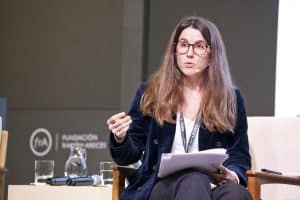
Three SRUK/CERU members: Dr Cristina Barrero (director of SRUK/CERU International Collaborations), Dr Carlos Soler Montes (SRUK/CERU president) and Dr Maria Vivero-Lopez, participated in the organisation as volunteers and contributed significantly to the successful execution of the event.
Key moments for SRUK/CERU included:

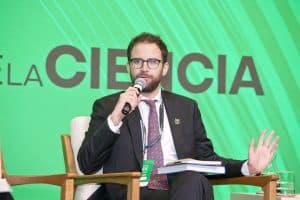
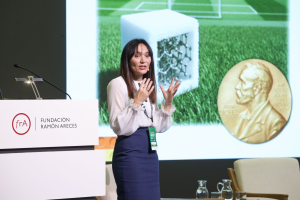
RAICEX General Assembly
After two years of dedicated service, Dr Irene Echeverria, Dr, Igor Arrieta Torres, and Dr Javier Pardo Diaz stepped down from the RAICEX Board of Directors. Their dedication, leadership, and vision were formally acknowledged and appreciated.
SRUK/CERU continues to be strongly represented on the new Board of Directors through Dr Carlos Soler Montes (head of Science in Spanish) and Dr Cristina Barrero (as the co-head of Institutional Relations).
In addition, Dr Igor Arrieta Torres and Dr Javier Pardo Diaz will continue to support the Board of Directors in their new roles as Deputy Secretaries General.
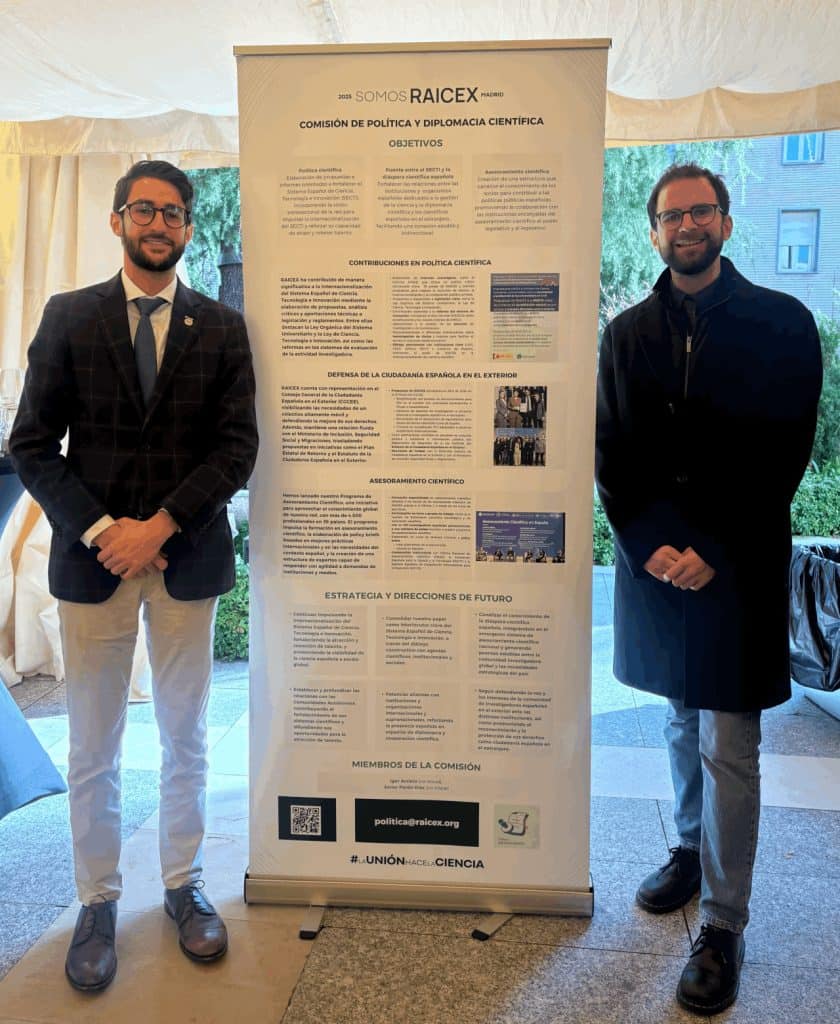
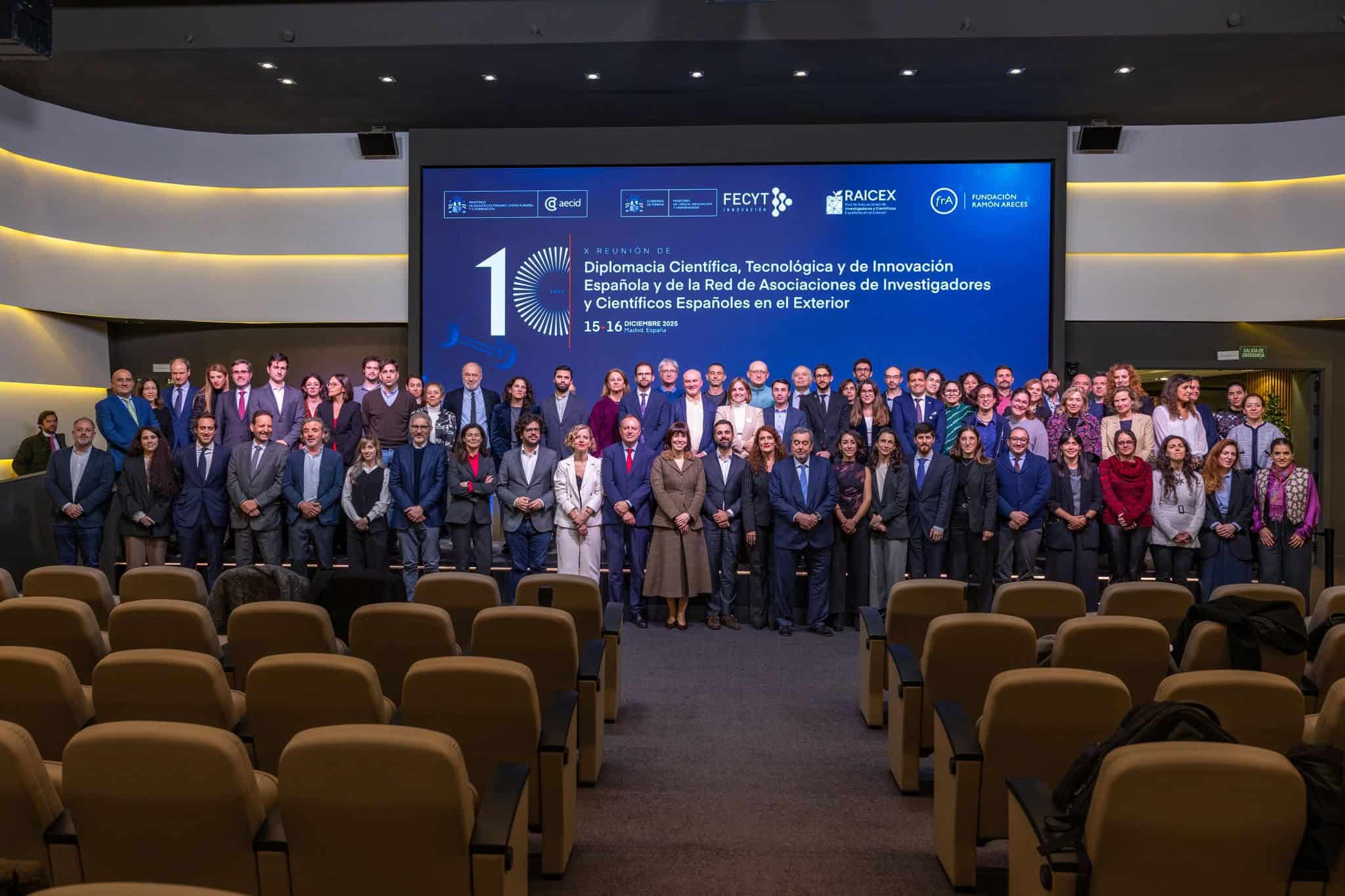
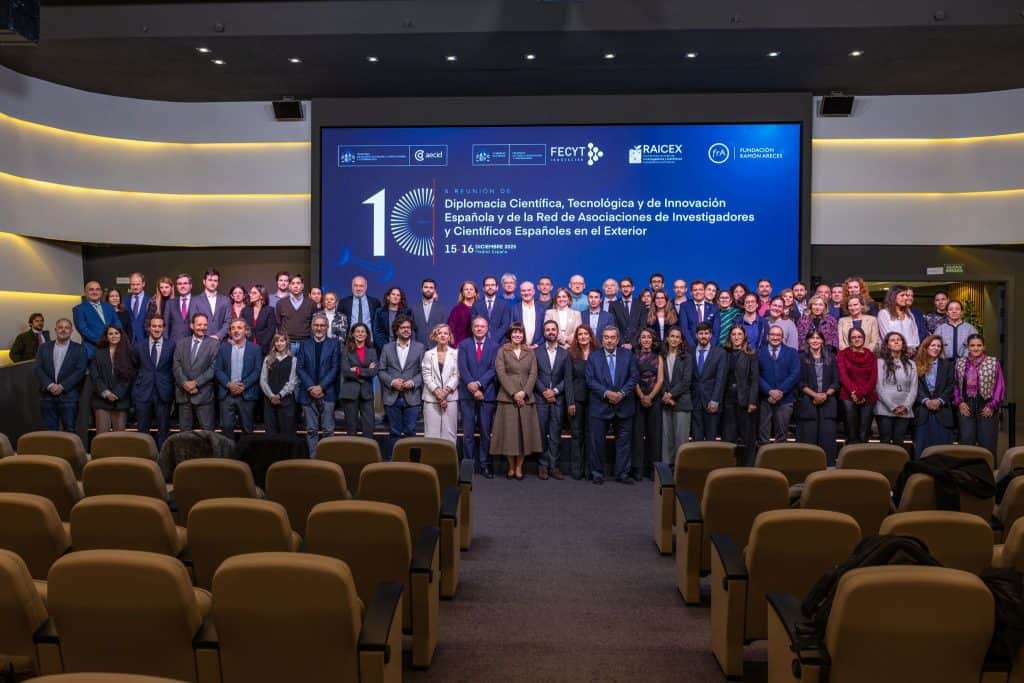
On 15-16 December, the Spanish scientific community came together in Madrid for the 10th anniversary of the Meeting on Scientific, Technological and Innovation Diplomacy, held at the Ramón Areces Foundation and co-organised by the Ministry of Science, Innovation and Universities, FECYT, the Ministry of Foreign Affairs, European Union and Cooperation, AECID and RAICEX.
Now in its tenth edition, the meeting has established itself as a space for dialogue at the intersection of science, technology, innovation and international relations.
SRUK/CERU played an active role, contributing to the discussions and working sessions on behalf of RAICEX:
🔹 In the public session, our Co-Head of Science Policy Dr. Igor Arrieta Torres took part in the roundtable on talent circulation, alongside representatives from FECYT, Spain’s Research Agency (AEI), the Ministry of Science, Innovation and Universities, AseBio and AECID.
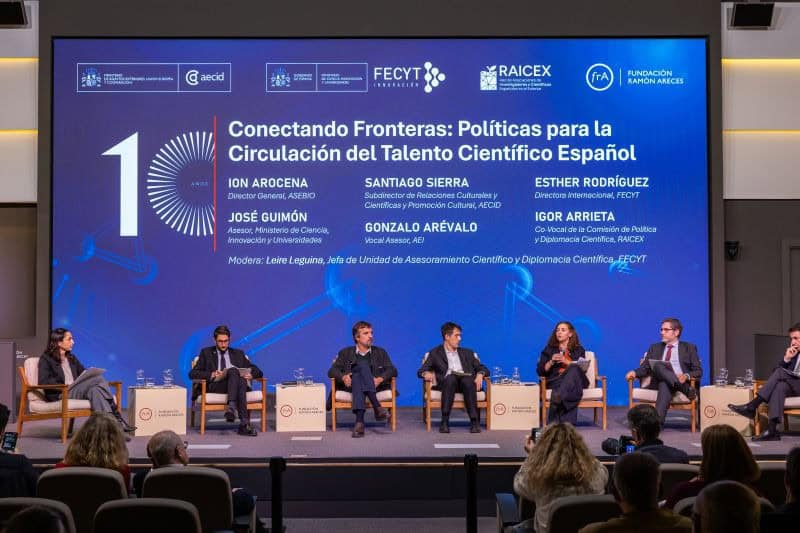
🔹 The debates this year centred on mobility, attraction and retention of research talent, and we highlighted the role of the Spanish scientific diaspora in promoting mobility and talent attraction.
🔹 Our President, Dr. Carlos Soler Montes, co-led the working group on Science in Spanish, and presented the RAICEX’s ACTILEX project: This project intends to explore the use of languages other than English in research with a particular focus of the use of Spanish by Spanish-speaking researchers working abroad. The working session was attended by representatives of Instituto Cervantes, Lilly Foundation, the Ministry of Foreign Affairs and the Ministry of Education.
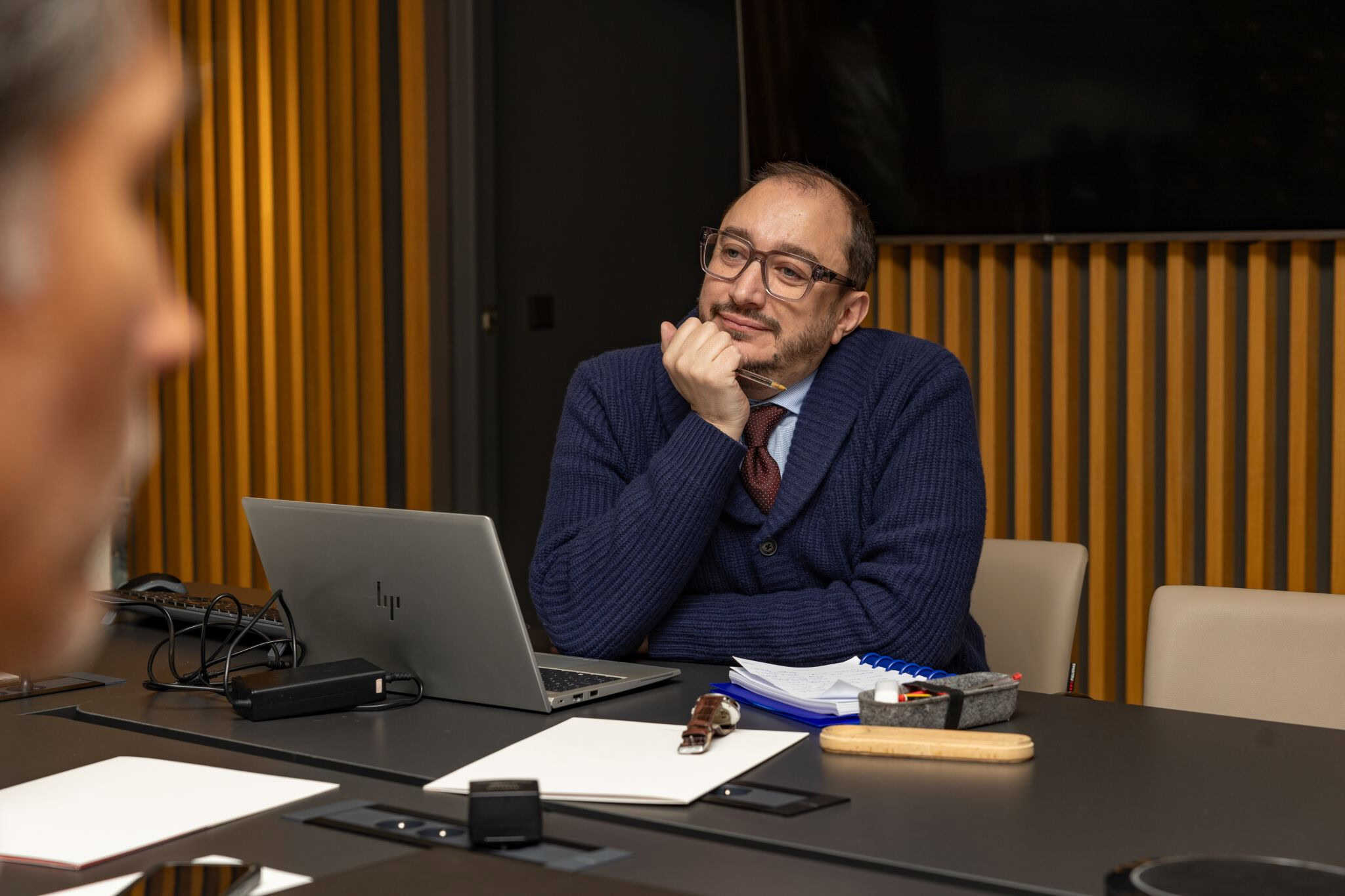
🔹 Our Co-Heads of Science Policy, Dr .Igor Arrieta Torres and Dr. Javier Pardo Dïaz, co-led the working group on scientific advice, engaging with institutions including ONAC, Oficina C, FECYT and CSIC, together with scientific advisers from the Ministry for the Ecological Transition and the Ministry of Education, and Scientific Attachés from the network of Embassies of Spain. Moreover, Dr. Irene Echeverria Altuna and Guillermo Borragan presented their ongoing work in the context of the RAICEX Programme for Scientific Advice.
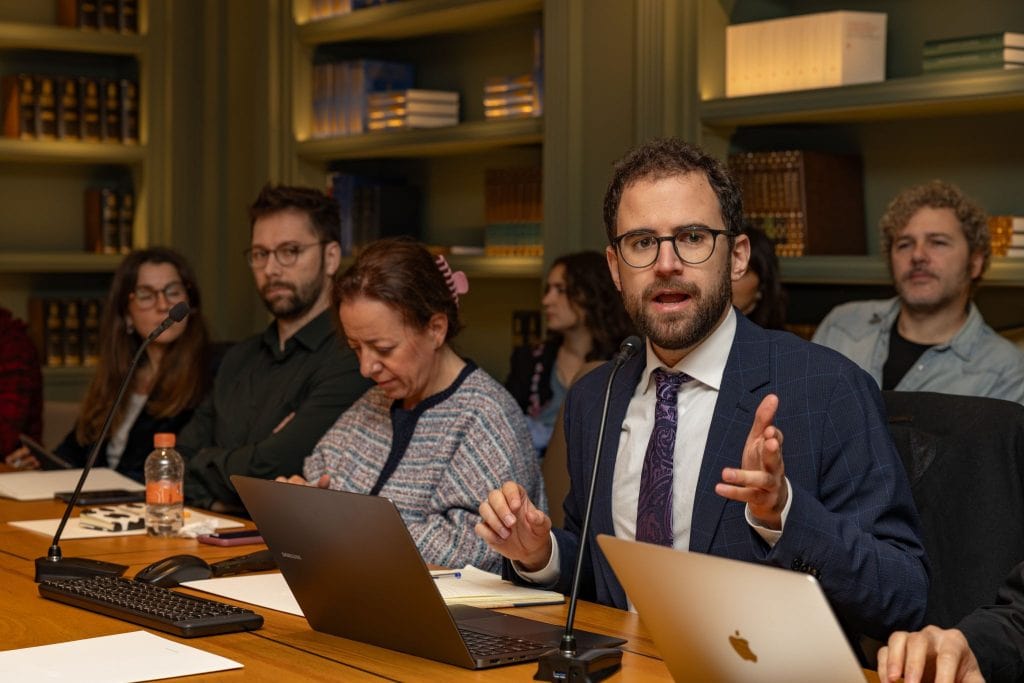
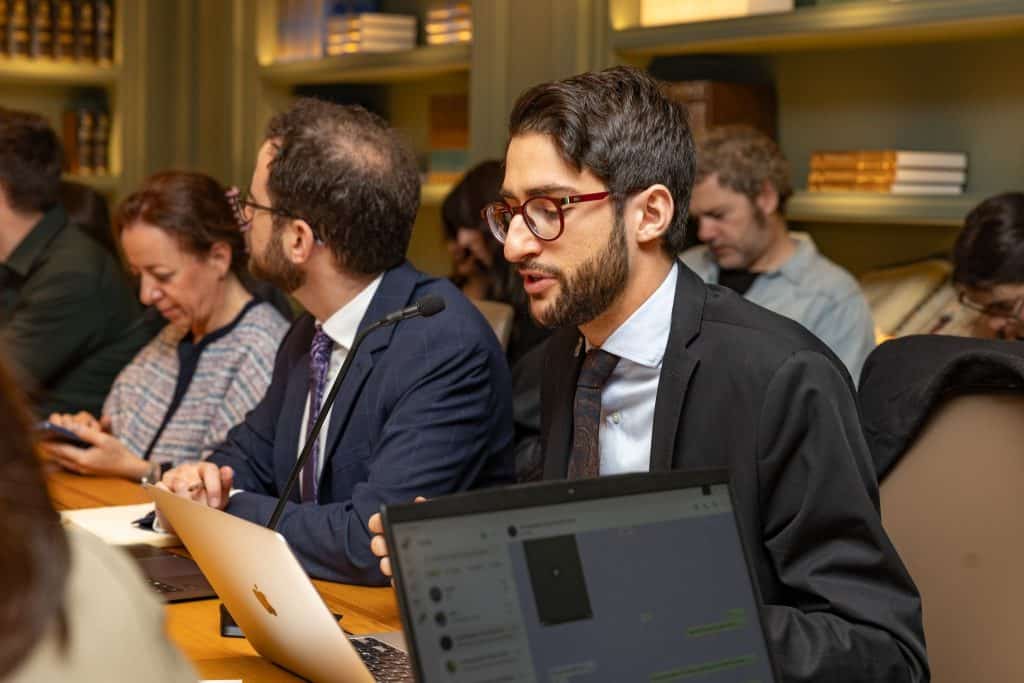
Watch the full video of the public session at this link.
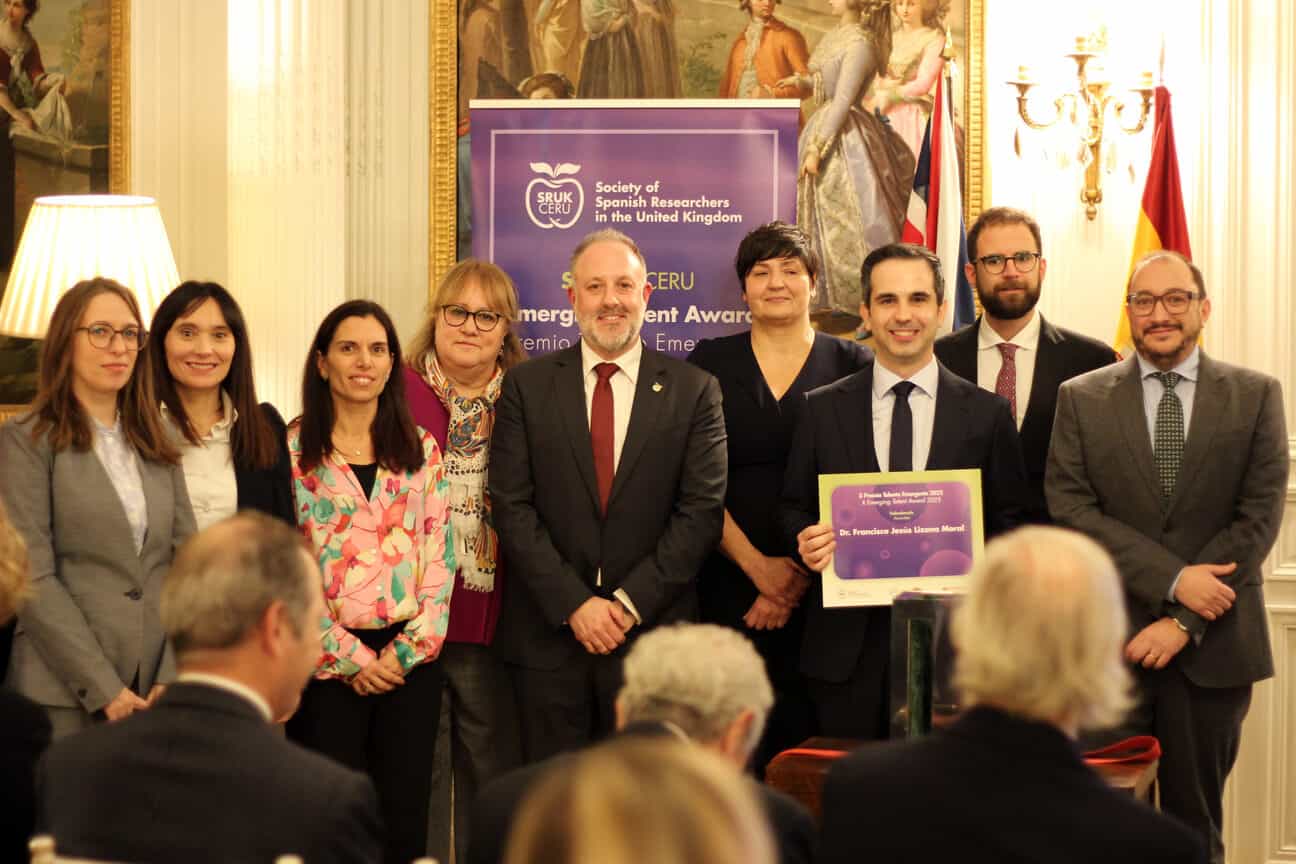
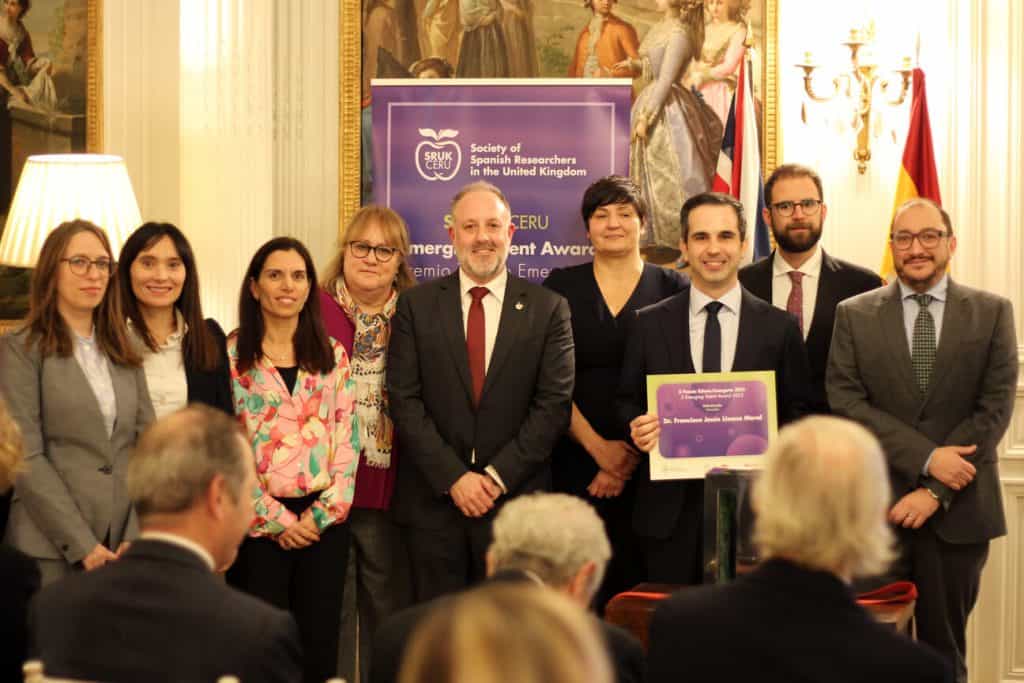
London, 24th November 2025. This Monday, the SRUK/CERU Emerging Talent Award ceremony took place at the Spanish Embassy in London, recognising the outstanding research contributions of Dr Lizana, winner of the 2025 edition. The SRUK/CERU Emerging Talent Award, which this year celebrates its 10th edition, is part of the collaboration between the Society of Spanish Researchers in the United Kingdom (SRUK/CERU) and the Fundación Banco Santander.
The award ceremony featured the presence of His Excellency Mr José Pascual Marco Martínez, Ambassador of Spain to the UK; Mr Borja Baselga, General Manager of the Fundación Banco Santander; and Dr Carlos Soler Montes, President of SRUK/CERU. During the reception, Mr Baselga remarked that initiatives like this are vital to recognising talent and fostering opportunities in research.
Dr Lizana’s research interest focuses on accelerating the energy transition through solutions that reduce emissions associated with the heating and cooling of buildings. His team, based at the ZERO Institute at the University of Oxford, combines engineering, materials science, and climate policy analysis to develop technologies that enable carbon-free space heating and cooling. His contributions include the design of innovative materials for thermal energy storage, the development of smart energy-management systems, and the assessment of indoor air quality impacts on public health. These innovations could transform the energy sector, improve urban sustainability, and contribute to achieving international climate goals.
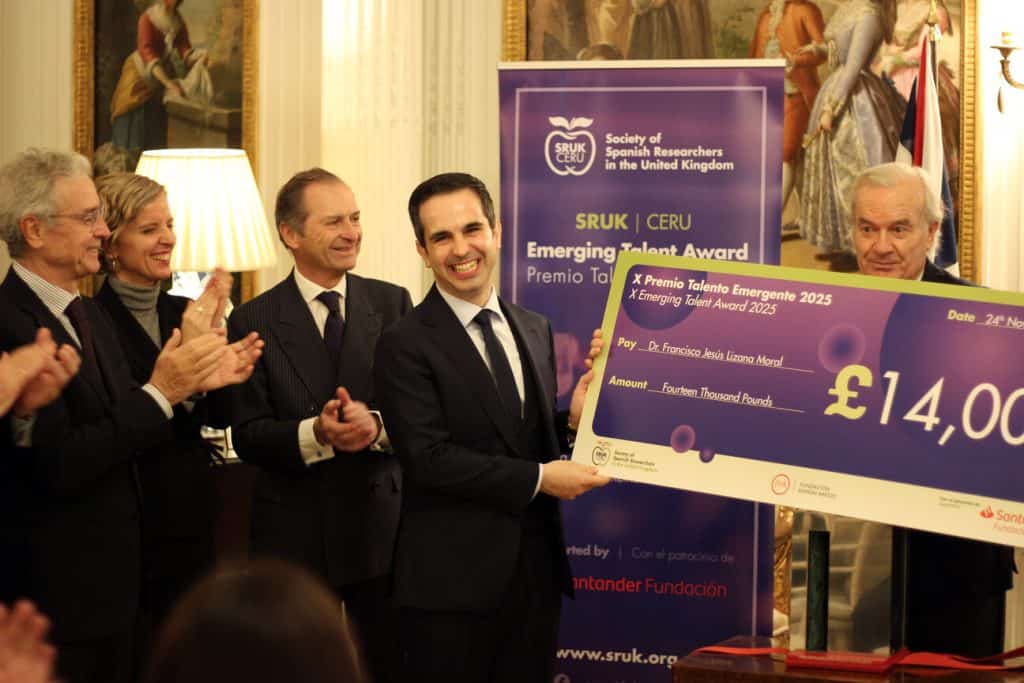
His extraordinary contributions to the field have been recognised with prestigious national and international accolades, and he collaborates with institutions such as the United Nations Environment Programme and the UK Department for Energy Security and Net Zero. Dr Lizana has also secured competitive research funding to develop high-impact projects in energy sustainability and climate transition.
Receiving this award, Dr Lizana expressed gratitude for the support that initiatives like the SRUK/CERU Emerging Talent Award provide to early-career researchers, helping to amplify their impact and foster innovation.
With the SRUK/CERU Emerging Talent Award, SRUK/CERU supports and gives visibility to early-career Spanish scientists carrying out their research in the United Kingdom, while promoting collaborations between these two countries. Dr Carlos Soler Montes, President of SRUK/CERU, stated that “the Emerging Talent Award is an award that symbolizes the best of our community: talent, dedication, and a strong commitment to science”. “For ten years, we have watched young researchers grow into leaders of projects, teams, and international collaborations. This anniversary reflects the strength and continuity of our commitment and our presence in the United Kingdom.”
For media enquiries, please contact Dr Mario Saborido Beltrán, Roving Director of the Society of Spanish Researchers in the United Kingdom (SRUK/CERU), at [email protected]
Bristol, 5th June, 2025
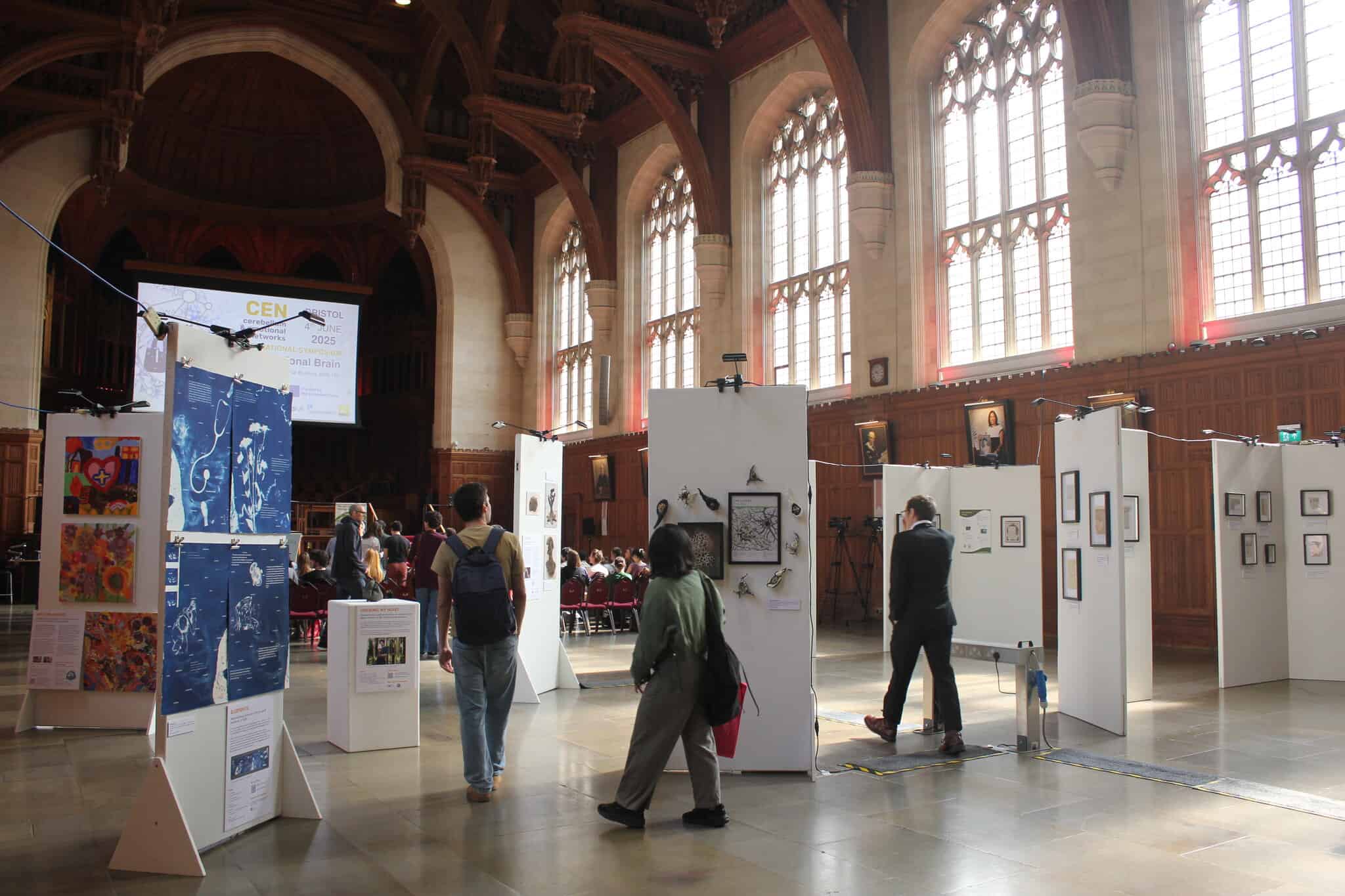
On 4 June 2025, the historic Wills Memorial Building at the University of Bristol welcomed over 150 in-person attendees, and many more joining online, for the inauguration of the traveling exhibition “The Art and Legacy of Santiago Ramón y Cajal”. The event marked the conclusion of the first day of the international conference celebrating the Cerebellum and Emotional Networks (CEN) project.
Organised by the Neuroscience Committee of the Society of Spanish Researchers in the UK (SRUK/CERU), the exhibition celebrates the scientific legacy and artistic vision of Santiago Ramón y Cajal, the Spanish Nobel laureate widely considered the father of modern neuroscience.
This event, part of a UK-wide tour following successful editions in London and Manchester, was presented in collaboration with the CEN project and the University of Bristol, marking a unique convergence of science and art.
Science Meets Art
The session was introduced and chaired by Dr. Sara Alvira de Celis, who warmly welcomed the audience and introduced the Society of Spanish Researchers in the UK (SRUK) and its Neuroscience Committee. She highlighted the importance of bridging neuroscience and the arts, a principle deeply embedded in Cajal’s legacy.
The first keynote speaker, Dr. Javier de Felipe from the Cajal Institute (CSIC), opened with “Cajal opened the path to understand the brain: Science, Art and vice versa”, a talk that traced Cajal’s groundbreaking contributions to modern neuroscience and celebrated his unmatched ability to visualize the brain’s architecture through drawing.
He was followed by Dr. Annie Campbell, Assistant Professor of Art at Auburn University (USA), who presented a compelling lecture titled “Exploring the Emotional Resonance of Brain-Inspired Sculptures.” Her talk focused on the role of ceramics in health narratives and how art can create bridges between scientific understanding and lived experience. Her work reflects on chronic illness and anatomy through sculptural form, resonating deeply with Cajal’s own interdisciplinary legacy.
An Artistic Tribute to Neuroscience
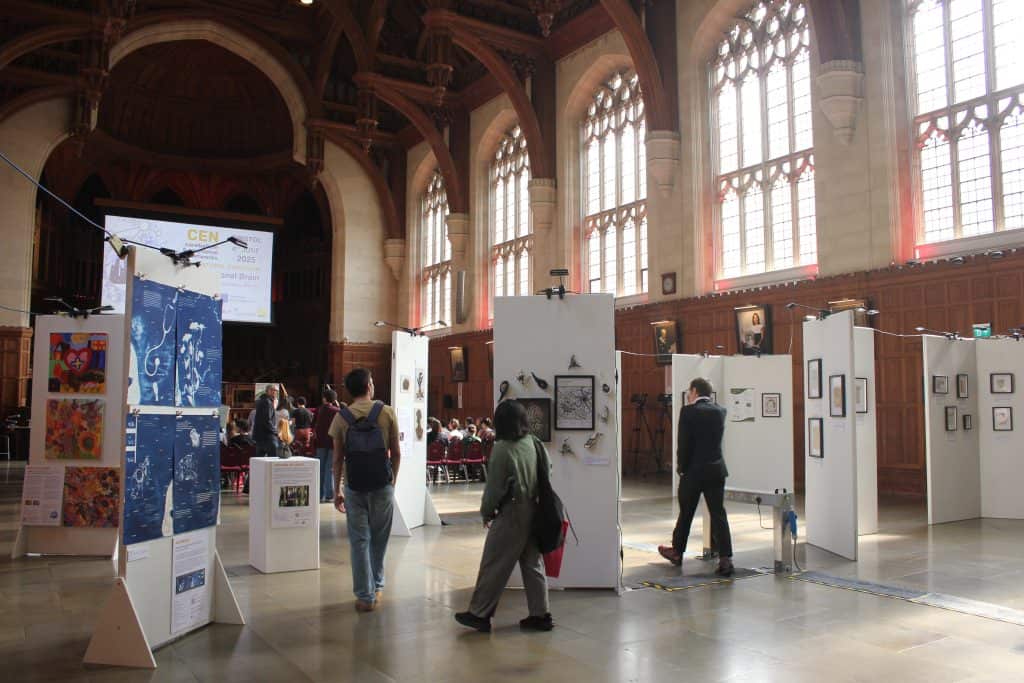
Attendees explored the exhibition, which features Cajal’s scientific illustrations alongside a satellite exhibition, Art Meets Science. This accompanying showcase includes ceramics, textiles, collaborative paintings, and sound installations by artists inspired by health, neuroscience, and nature. Visitors could follow and read posts from @RealCajal_CERU, a fictional Twitter account giving voice to Cajal’s thoughts and legacy. Additional resources were accessible via QR codes displayed throughout the panels.
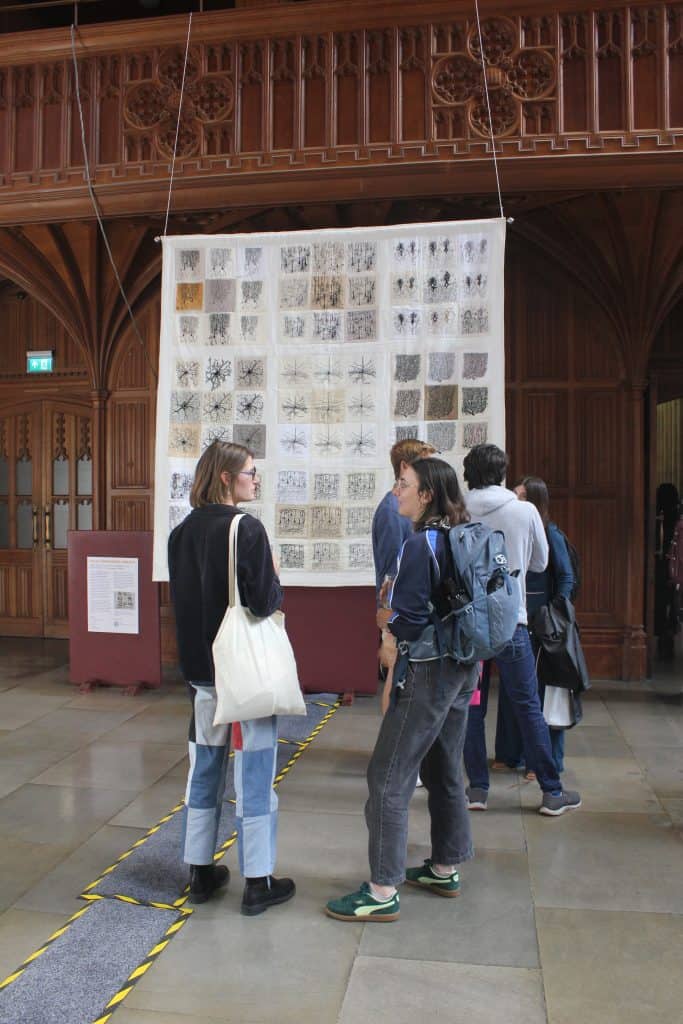
A Collaborative Success
“The Art and Legacy of Santiago Ramón y Cajal” is the result of the dedication and hard work of SRUK/CERU volunteers and has been supported and funded by the Embassy of Spain in London, the Spanish Foundation for Science and Technology (FECYT), the Ramón Areces Foundation, the Instituto Cervantes in Manchester, the Spanish Consulate in Manchester, the Cerebellum and Emotional Networks (CEN) project funded by the European Union, the University of Bristol, the Centre for Languages, Culture and Communication at Imperial College London, World Women in Neuroscience, the International Brain Research Organization (IBRO), the Spanish National Research Council (CSIC), the Instituto Cajal, the National Museum of Natural Sciences (MNCN), the Camillo Golgi Museum, and the History Museum of the University of Pavia.
Exhibition Details
The exhibition is free and open to the public at the Great Hall, Wills Memorial Building, Queens Rd, Bristol BS8 1RJ:
It will then be hosted at the School of Psychological Sciences, Priory Road Complex, Bristol:
Don’t miss this opportunity to delve into the fascinating legacy of a genius who transformed neuroscience.
Contact:
Patricia García Jareño
Chair of the SRUK/CERU Neuroscience Committee
📧 [email protected]
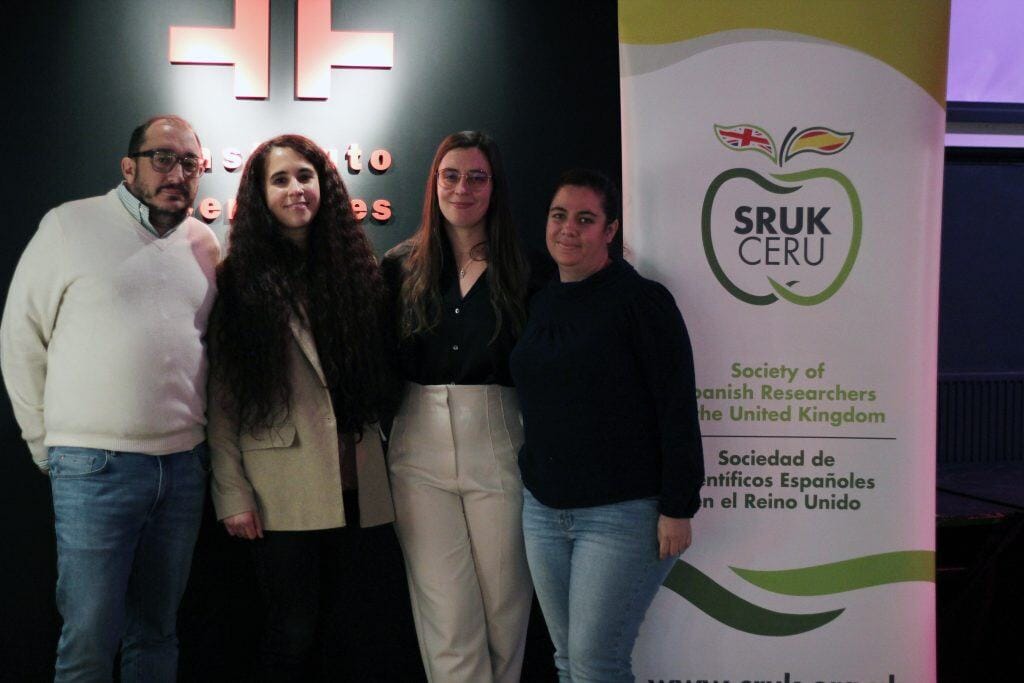
The Society of Spanish Researchers in the United Kingdom (SRUK/CERU) announced on October 26th the winners of the 6th edition of the “Science-me a story” competition, during the 3rd SRUK/CERU Science Communication Symposium, held at the Cervantes Institute in Manchester.
Science-me a story is an international, non-profit initiative that uses creative writing as a tool for scientific outreach. It is organized by the Society of Spanish Scientists in the United Kingdom (SRUK/CERU), in collaboration with the Lilly Foundation, Principia magazine, the University of Liverpool, and the Cervantes Institute.
For the first time, the competition included three new language categories corresponding to Spain’s co-official languages — Catalan/Valencian, Basque, and Galician — thus expanding its reach and cultural diversity. The call for entries was open for more than seven months and welcomed SRUK/CERU members and friends.
A total of 38 participants submitted short stories across four language categories: Spanish, English, Catalan, and Galician. The submitted stories explored a wide range of topics, including climate change, ecosystem conservation, the scientific method, epigenetics, paleontology, and neuroscience.
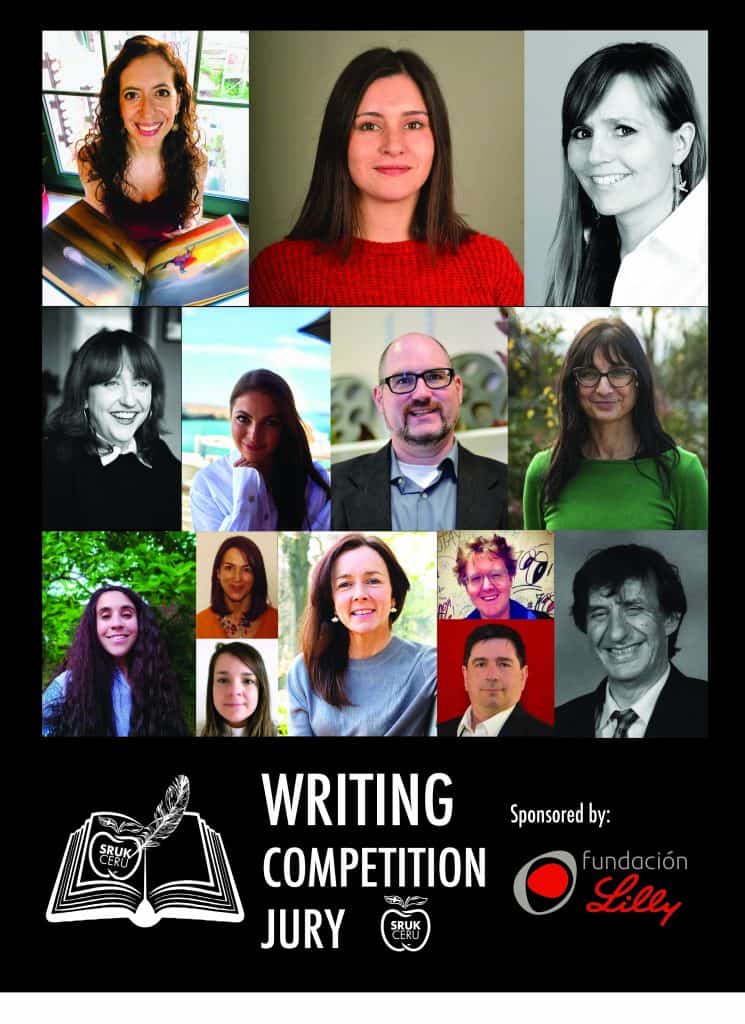
The jury, composed of professionals from scientific, literary, and educational backgrounds, especially valued scientific clarity, originality, and the ability to inspire curiosity in young readers.
Spanish category
🥇 Arantxa Ajuria Llorens – Raniposa y la Charca Madrina
🥈 Francisco José Plou Gasca – Lorea y las urracas
🥉 Guillermo Roa Zubia – El mundo de las cosas pequeñas
English category
🥇 Rosa Sánchez-Lucas – The Tree that Remembered the Rain
🥈 Greg Beatty – Debbie Was Different
🥉 Prabhani Herath – Super Nova
Catalan category
🥇 Josep M. Aliaga Tomàs – Avi, explica’m l’arc iris
🥈 Elisa Lopez-Capel – Els tres porquets i les cases de carboni
🥉 Èlia Bosch Borràs – Re cerca a Barcelona
Galician category
🥇 Alba Fernández Sanlés – Os gardiáns dos extremos
🥈 Carla Castro Rúa – O limoeiro
🥉 María Llanderas – Fractais na tanxente
First-place winners will receive a £130 prize, while second and third places will be awarded £60 and £30, respectively.
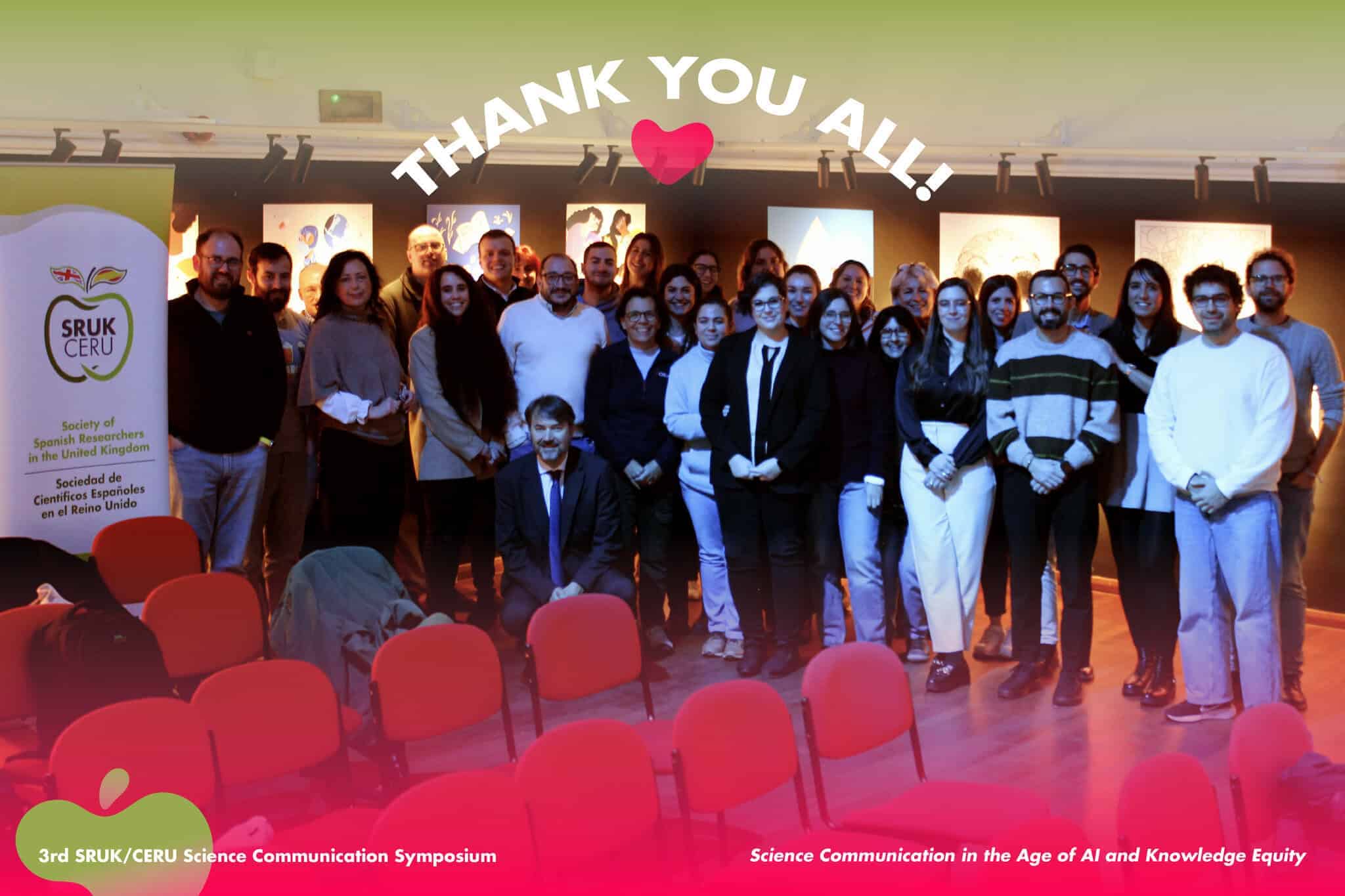
Manchester, 28th October 2025. The 3rd SRUK/CERU Science Communication Symposium was held in the Cervantes Institute in Manchester during the 25th and 26th of October 2025. Led by Dr Marta Dominguez Prieto, head of the SRUK/CERU Midlands Constituency, Dr Carlos Soler Montes, president of SRUK/CERU, Dr Sara Franco Ortega, vice-president of SRUK/CERU, and in collaboration with ELEUK and Agata Communications, the event brought together researchers, communicators, and professionals passionate about bridging the gap between science and linguistics, AI and society.
The event sponsored by the Embassy of Spain in London through its office for Cultural and Scientific Affairs, the General Consulate of Spain in Manchester, the Cervantes Institute in Manchester, Spanish Foundation for Science and Technology (FECYT), the Ramon Areces Foundation, Agata Communications, ELEUK and the EU-funded project Connects-UK, opened with the speeches of the Director of the Cervantes Institute in Manchester, Dr Martín López-Vega and the Consul General of Spain in Manchester, Ambassador Alejandro Polanco Mata.
The first keynote speaker of the Symposium, Prof Estrella Montolío Durán from the University of Barcelona (Spain), explained tools and linguistic concepts that can help make the communication clearer: “Metaphors are an effective tool for scientific communication, as they help make complex and abstract concepts more accessible to non-specialist audiences.”. The second keynote speaker, Prof Antonio Martínez Arboleda, from the University of Leeds, reflected on how generative AI can make access to knowledge fairer and more accessible.
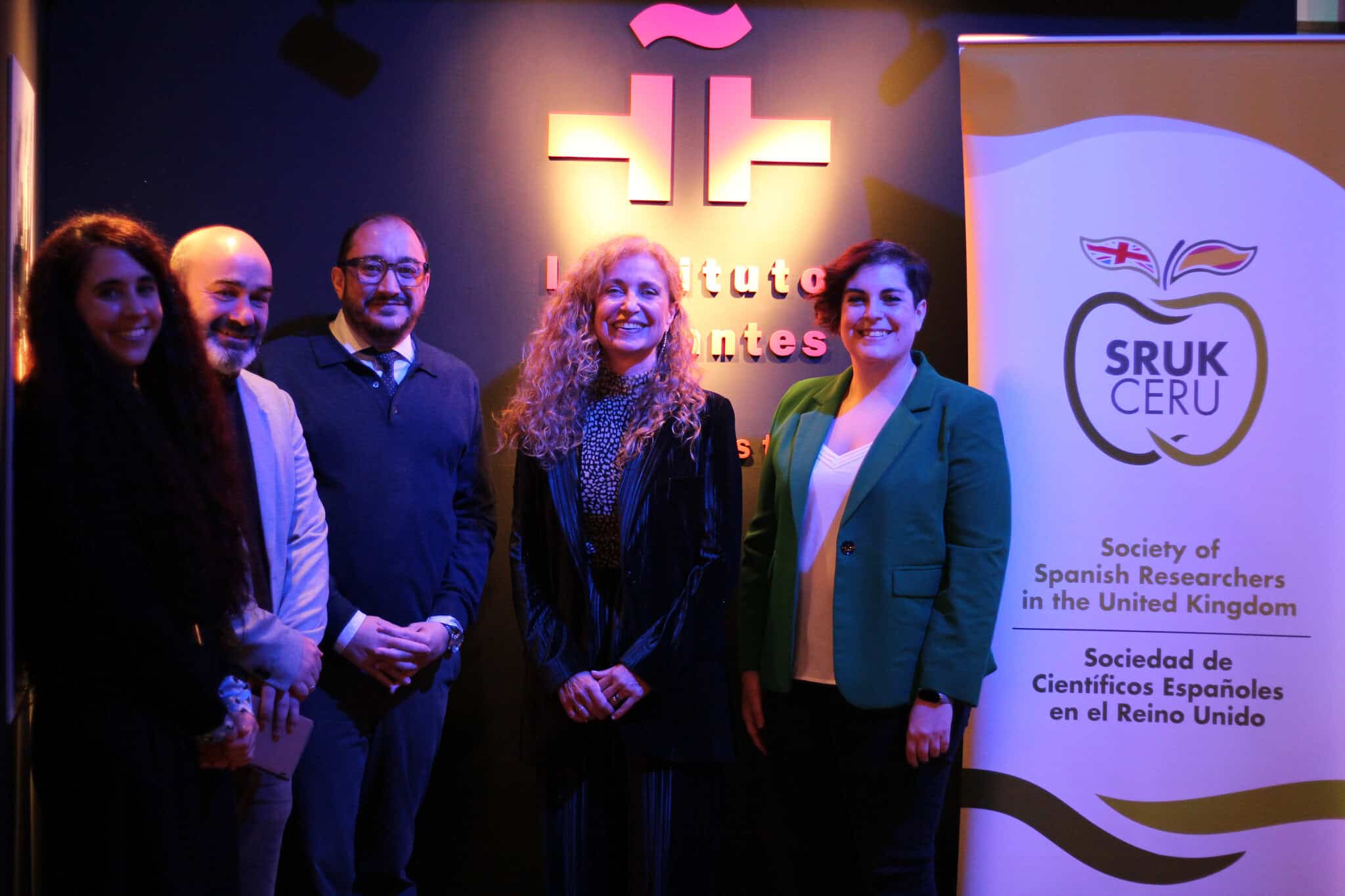
In the afternoon, Dr Lourdes Barquín Sanmartín, from the University of Reading and director of the SRUK/CERU Online Department, shared her experience in innovative uses of AI in multilingual education, highlighting how previously known languages can help students learn others. The day ended with a round table focused on “Communications in the context of learned societies and professional associations in the UK”, chaired by Dr Sara Franco Ortega, vice-president of SRUK/CERU. The panellists, Dr Inés Gutiérrez González, from Keele University and representing the Association of Hispanists in Great Britain and Ireland, Dr Alba del Pozo García, from the University of Leeds and representing ELEUK, and Dr Javier Pardo Diaz, on behalf of SRUK/CERU, the Network of Associations of Spanish Researchers and Scientists Abroad (RAICEX) and CONNECTS-UK, a project led by multiple scientific diasporas, shared their experience on how associations can help their members during their communication strategies and reaching a broader audience.
On the second day, the third keynote speaker of the Symposium, Dr Francisco Puentes, Deputy Director of the Spanish Agency for the Supervision of Artificial Intelligence (AESIA), explained Spain’s AI policy and regulatory framework, ensuring responsible and transparent AI governance. Followed by Prof. Esther Nieto Moreno de Diezmas, from the University of Castilla-La Mancha, who emphasised the importance of outreach activities as a social endeavour to “share knowledge and science and create a more informed and critical society”.
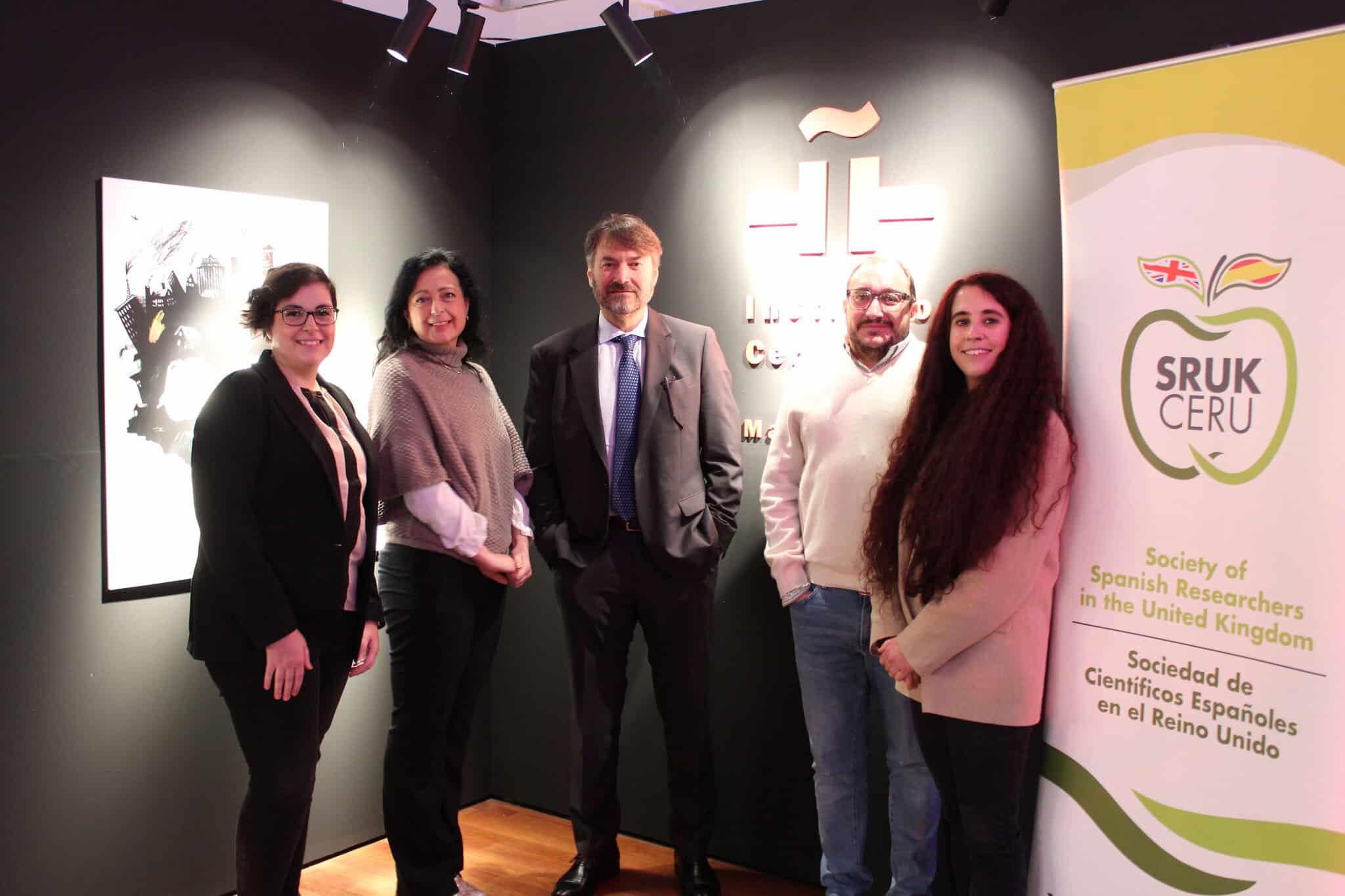
The Symposium ended with one of the most successful SRUK/CERU outreach activities, Ciéncia-me un Cuento, a project that uses storytelling to engage children with science and nurture curiosity through imagination. Dr Beatriz Monterde Martínez, director of the SRUK/CERU Outreach Department, announced the winners of the last edition, which was, for the first time, open to stories in five languages: English, Spanish, Catalan, Galician, and Basque.
The 3rd SRUK/CERU Science Communication Symposium concluded with great success, establishing itself as one of the main Science Communication events for the Spanish researchers’ community in the UK.
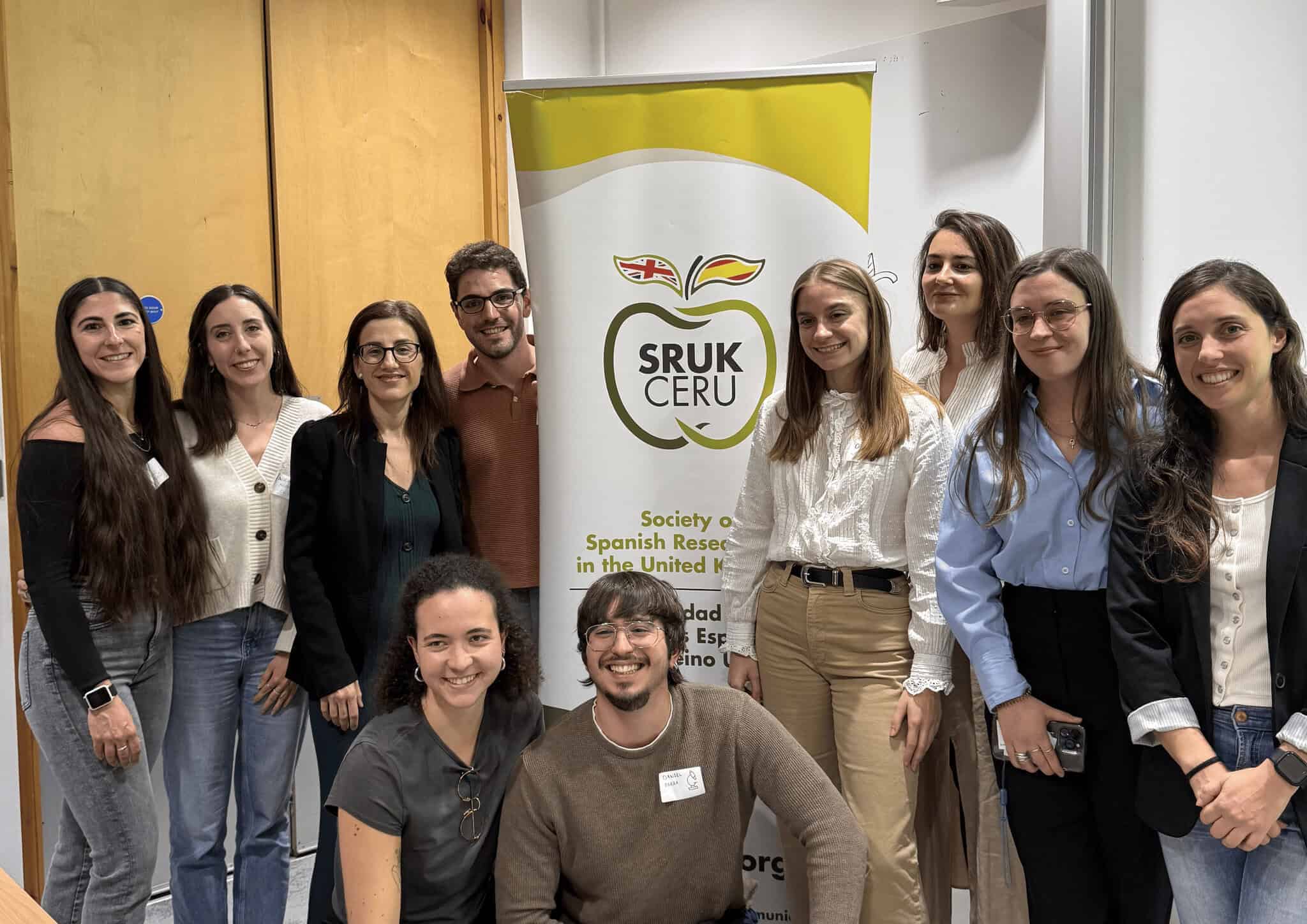
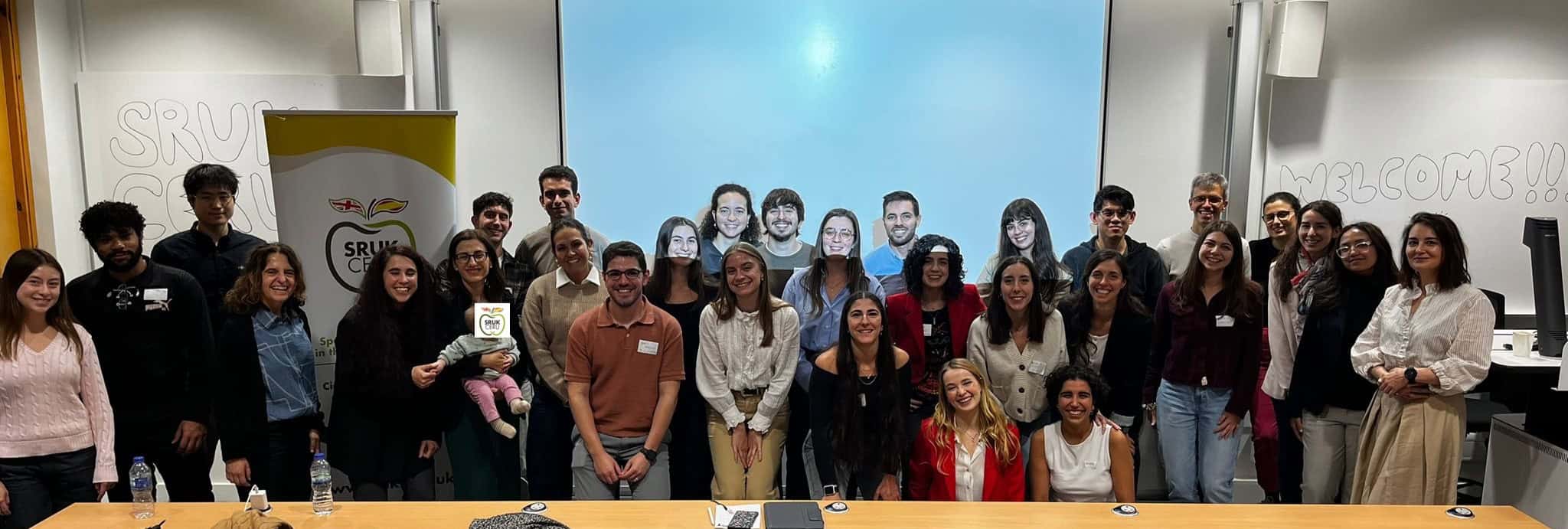
London, 18th October 2025.
The SRUK/CERU cancer committee celebrated its fourth networking seminar event titled “Niched, Networking and Next-Gen”. The event started with a warm welcome by the co-chairs of the committee: Dr. Ignacio Rodriguez and Dr. Pilar Acedo, highlighting some of the initiatives the SRUK/CERU cancer committee has organised over the past years, opportunities for SRUK/CERU members, and thanking the sponsors of the event, which include the Ramón Areces Foundation, the Spanish Foundation for Science and Technology (FECYT), the Office for Cultural and Scientific Affairs (OCSA) of the Embassy of Spain in the United Kingdom, the CONNECTS-UK project funded by the European Commission, CRIS Cancer Foundation, the Spanish Association Against Cancer (AECC), the Biochemical Society and the Company of Biologists.
The event started with a session dedicated to cachexia. Dr Giulia Biffi (Cancer Research UK Cambridge Institute) summarised key findings obtained using pancreatic cancer mouse models, where mice with severe cachexia, or a situation where the body loses a lot of weight and muscle because of illness, died faster while having a similar primary tumour burden. The second speaker of the day, Megan Bowers (King’s College London), presented multicomponent interventions, such as diet and physical therapies, against cachexia and their impact on the quality of life of patients.
The cachexia session was followed by a talk from one of our sponsors, CRIS Cancer foundation, given by Elena Muyo, who highlighted the 64M funding raised between their headquarters in Spain, France and the UK, entirely dedicated to funding research projects and brilliant scientists. She emphasised the role of CRIS Cancer in supporting scientists in their research at all career stages and emerging talent throughout its generous funding opportunities.
The second session of the day focused on the tumour microenvironment and included two speakers from the Francis Crick Institute. Dr Paola Peinado, who explained how sensory nerves around tumours can affect how cancer develops and spreads, highlighting the role of sensory nerves in the tumour microenvironment and how it affects cancer development. The second speaker of the session, Dr Miriam Molina, showed how a key cancer gene, KRAS, works together with its surroundings in lung cancer, opening possibilities for new treatments.
After a productive networking lunch, our second sponsor, the Spanish Association Against Cancer (Asociación Española Contra el Cáncer, AECC), represented by Dr Marina Salmon, highlighted the organisation’s role in advancing cancer research. AECC is committed to funding innovative scientific projects to improve patients’ lives and survival outcomes. Through a wide range of funding opportunities, the association focuses on fostering and retaining research talent, driving innovation, and supporting the creation of multidisciplinary teams, all united by a common goal: building a future without cancer.
Six incredible early-career scientists staged the Flash Talk session. Participants presented cutting-edge projects spanning radiotherapy, immunotherapy, and novel therapeutic strategies. Thanks to the generous support of our sponsors, three prizes were awarded to Andrea de Castro (The Francis Crick Institute) for her work on enhancing KRAS-mutant lung cancer therapies, Angelica Blotto (University of Cambridge and University College London) for advancing photochemical internalisation approaches in pancreatic cancer, and Ana S. de la Rosa Herencia (University of Córdoba) for her research unveiling new therapeutic vulnerabilities in oligodendroglioma.
The last session of the day was dedicated to cutting-edge technologies. The first speaker, Dr Pau Creixell (Cancer Research UK Cambridge Institute), presented the ORACLE method, integrating computational and experimental approaches to understand how changes in proteins can influence their interactions during cancer. Finally, Dr Oscar Maiques (Barts Cancer Institute) closed our event by presenting how the area around a tumour is not the same everywhere — at the edges, the tissue is denser and more structured, helping cancer cells travel and form new tumours elsewhere.
The SRUK/CERU Cancer Committee thanks all participants, speakers, and researchers who contributed their time, knowledge, and passion to make this event successful. Also, the committee expresses its appreciation to the sponsors for their generous support and commitment to advancing cancer research. Their continued investment enables key funding opportunities that empower scientists to explore new frontiers in cancer prevention, diagnosis, and treatment. Together, we are building a stronger, more hopeful future in the fight against cancer.
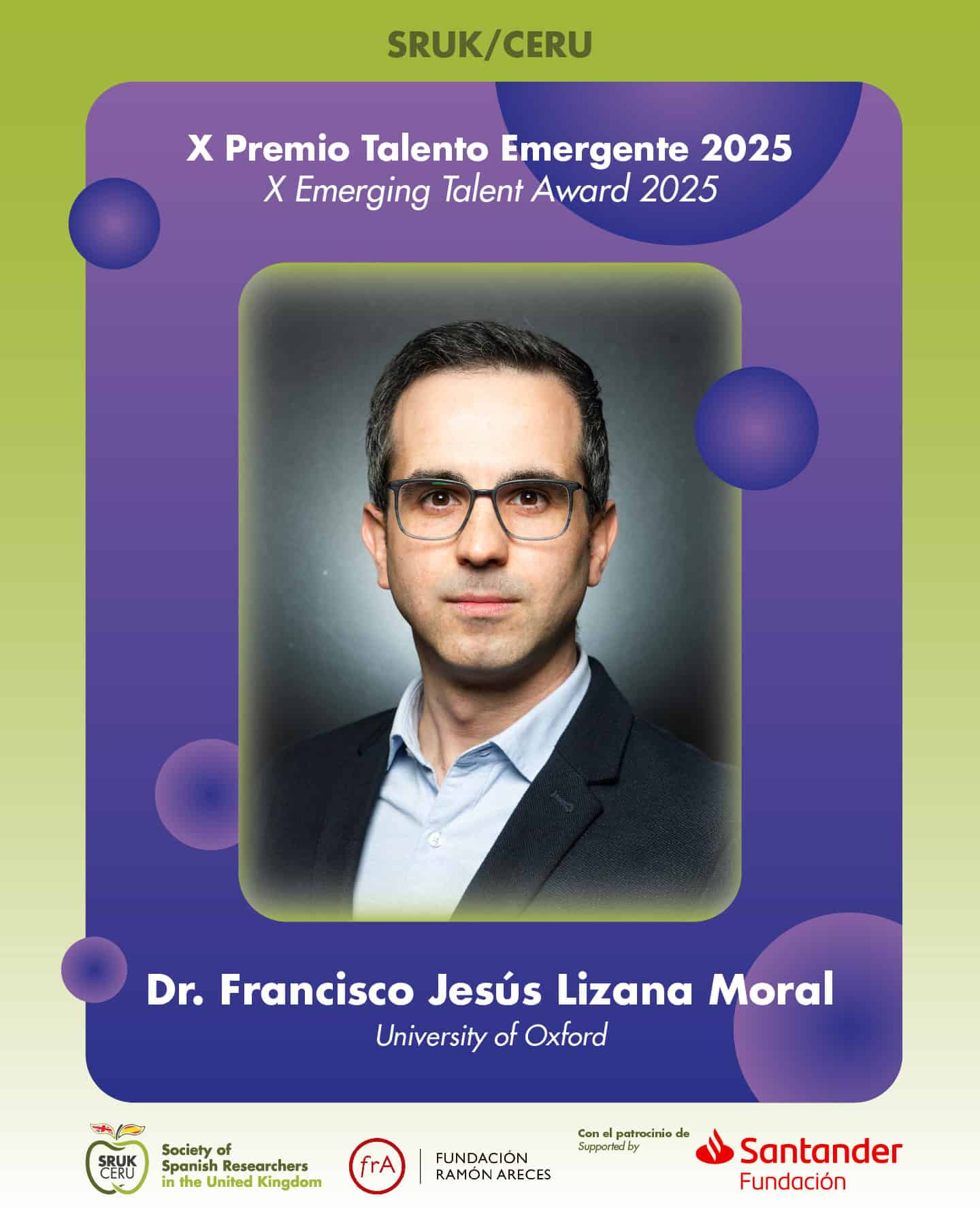
London, 10 October 2025. SRUK/CERU Scientific Committee, chaired by Professor Sonia Antoranz Contera (University of Oxford), assessed fourteen high-calibre applications. According to Professor Antoranz, “the jury was very impressed by the quality of all the applications received in this tenth edition of the Emerging Talent Award, which illustrates the significant contributions of Spanish researchers in the United Kingdom.”
Dr Lizana Moral leads the Zero-Carbon Space Heating and Cooling programme at Oxford’s ZERO Institute, where he integrates material science, engineering, and climate policy analysis. His research includes the development of materials for thermal energy storage, smart energy flexibility solutions, and indoor air quality analysis, with major implications for public health and sustainability.
In addition to his academic leadership —recognised by nacional and internacional engineering awards— he stands out for his science communication and collaboration with organisations such as the United Nations Environment Programme, the UK’s Department for Energy Security and Net Zero, and several international professional bodies.
Dr Lizana plans to use this award to strengthen Spain-UK collaboration, enhance science communication, and support the training of young researchers.
Regarding this recognition, Jesús Lizana stated: “I feel deeply honoured and grateful for this recognition, which I consider a privilege given the quality and commitment of the Spanish scientific community in the United Kingdom. It is a source of pride to be part of it, and I hope to continue contributing to strengthening its links and international visibility.”
Borja Baselga, Director of Banco Santander Foundation, noted: “We are pleased to collaborate once again on this initiative, which helps to strengthen scientific collaborations between the United Kingdom and the European Union, promotes the development of policies that support R&D&I, and gives visibility to the research carried out by Spanish scientists in the UK, both within the scientific community and among the general public. This tenth edition of the SRUK/CERU Emerging Talent Award reinforces the commitment of SRUK/CERU and Banco Santander Foundation to continue forging connections between Spain and the UK, while funding and supporting the innovative projects that outstanding Spanish researchers are developing in the United Kingdom.”
Finally, Carlos Soler Montes, President of SRUK/CERU, indicated that: “For SRUK/CERU, it is a privilege to have Dr Jesús Lizana among our list of awardees. Jesús Lizana perfectly embodies the values of this award. We are especially pleased to see how his interdisciplinary profile — combining extensive training as an architect and engineer at the University of Seville — and his international career underpin many of the achievements for which he receives this important recognition.”
You can download this press release here
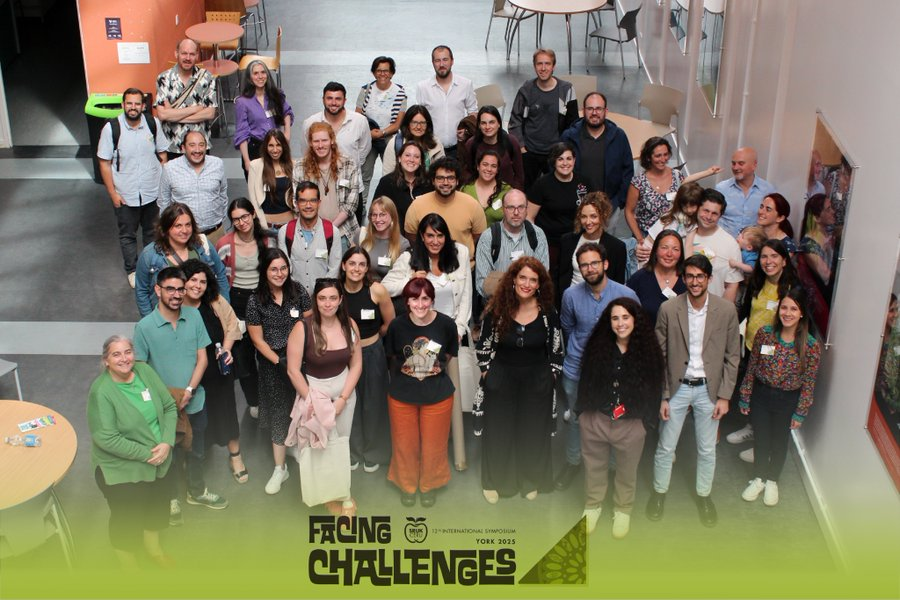
York, 4th July 2025. The Society of Spanish Researchers in the United Kingdom (SRUK/CERU) hosted its 12th International Symposium this weekend themed “Facing Challenges” exploring some of the most pressing global research themes such as climate change, human health and the rise in artificial intelligence, as well as other obstacles in the life of researchers, such as combating scientific misinformation or fighting inequalities. The event on Friday took place at Merchant Taylors Hall, a 600-year-old building, featuring medieval architecture and used for associations of merchants to protect Taylors’ interests and promote support for each other through difficulties. The event was hosted by Dr Sara Franco Ortega, Chair of the 12th SRUK/CERU International Symposium, and counted with approximately sixty attendees. After hearing the history of the Hall, the event followed with welcome speeches. Dr. Javier Pardo Diaz, SRUK/CERU President, remarked the work of all SRUK/CERU volunteers during the year; Mr José María Robles Fraga, the Minister Counsellor for Cultural & Scientific Affairs from the Embassy of Spain in London, highlighted the importance of science diplomacy and Dr. Eva Ortega Paíno, the Secretary General for Research at the Ministry of Science, Innovation and Universities of Spain,highlighted the necessity to communicate and collaborate between the scientific community. The opening ceremony also included talks from Mr Raimundo Pérez-Hernández y Torra, Director of the Ramón Areces Foundation, anda sponsorship video from Axencia Galega de Innovación.
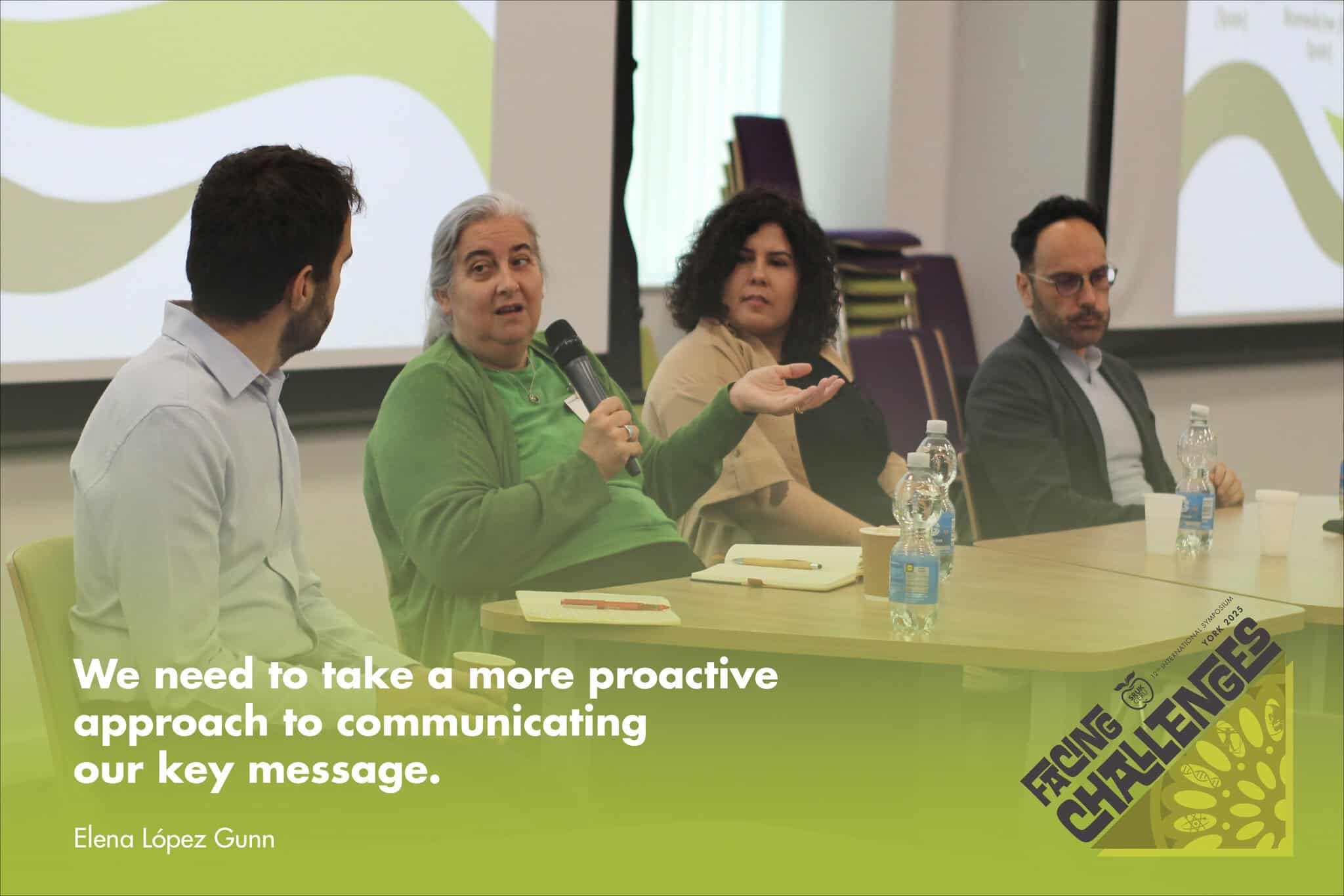
The first keynote speaker was Dr. Elena López Gunn, founder and director of the climate-adaptation startup ICATALIST in Spain, and a Senior Research Fellow at the Elcano Royal Institute, as well as a lead author in the Intergovernmental Panel on Climate Change (IPCC) Working Group II. In her talk “Climate Change: Thriving through Uncertainty”, she explained how “climate change remains an existential threat, with 2024 being the hottest year on record globally”. “In Europe, the continent experienced record heat stress and an unprecedented number of frost-free days, causing human and economic losses due to extreme heat, catastrophic flooding, and disruptions to critical infrastructure”. “Climate change has affected all components of the water cycle and all water use sectors in all regions, most Impacts are negative”, and used the October 2024 floods in Valencia, Spain, as an example of extreme events and the environmental, economic, social and political consequences. Her talk ended on a more positive note by confirming “identify and implement catalysing interventions to transition proactively to a climate-resilient society” and the importance of “stakeholders and citizens engagement for Climate change adaptation”.
On Saturday, the symposium included a talk from Dr Patricia González Rodríguez, a neuroscientist and Principal Investigator working on bioenergetics and metabolism in Parkinson’s Disease at the Institute of Biomedicine of Seville (IBiS, Spain). She developed the first progressive mitochondrial mouse model of Parkinson’s that mirrors human pathology. She explained how the symptomatology and risk factors depend on the biological sex, and she also stressed, “by the time you see these symptoms, it is already 10 years late”, “early diagnosis is essential”. She then explained her research on mitochondria, the cell’s powerhouses, and how, when dysfunctional, they can trigger Parkinson’s disease-like symptoms in mice. Her research opens the door to new treatments in the early stages of Parkinson’s disease, rescuing the loss of dopaminergic neurons, which produce dopamine, a chemical in human bodies that controls movement, and a hallmark of the disease. The second keynote speaker on Saturday, Dr. Javier Andreu-Pérez, Associate Professor at the University of Essex, guided the attendees on “The Language of Machine Perception”. He explained what General Artificial Intelligence machines can do, “predicting the most likely next word” and how they “do not reason like humans do” as “human reason based on premises, axioms and perceptions (concepts)”. He navigated through some practical applications of artificial intelligence to help predict how mutations in the DNA of cells lead to cancer, or help neuroscientists understand how brains react to external visual and auditory stimuli. The morning ended with a round table chaired by Dr Fernando Gomollon Bel, co-founder of AGATA and expert in science communication, and the three keynote speakers, discussing how to “combat scientific misinformation”, or false or inaccurate scientific information that is spread without intent to deceive. The three keynote speakers agreed that “opinion is not information, “it is not a fact”, and “the speed and volume of misinformation make it difficult to discriminate the truth”. They discussed how challenging it is for researchers to communicate their knowledge to the public due to a lack of training and guidance. However, all agreed that it requires a multifactorial solution: starting with how researchers frame data to make it more understandable, removing restrictions in the information flow, adopting a more proactive communication strategy, and regulating and implementing limits on artificial intelligence to help combat scientific misinformation.
El sábado 5 de julio por la tarde, tuvo lugar una segunda mesa redonda moderada por la Dra. Carmen Sánchez Cañizares, Investigadora Asociada por la Royal Society en la Universidad de Oxford . En ella participaron dos de las autoras del Libro Blanco sobre Políticas de Género en la Ciencia y la Academia de la Red de Asociaciones de Investigadores y Científicos Españoles en el Exterior (RAICEX): la Dra. María José Martínez Bravo, profesora y subdirectora del programa de Máster en Descubrimiento de Fármacos de la Facultad de Farmacia del University College de Londres, autora del capítulo sobre el Reino Unido, y la Dra. Eva Ortega Paino, Secretaria General de Investigación del Ministerio de Ciencia, Innovación y Universidades de España, autora del capítulo sobre España. El tercer panel fue el Profesor Francisco Vilaplana, ingeniero químico español y catedrático del Real Instituto Tecnológico KTH de Suecia, miembro de los Premios Margarita Salas de la Asociación de Científicos Españoles en Suecia (ACES).
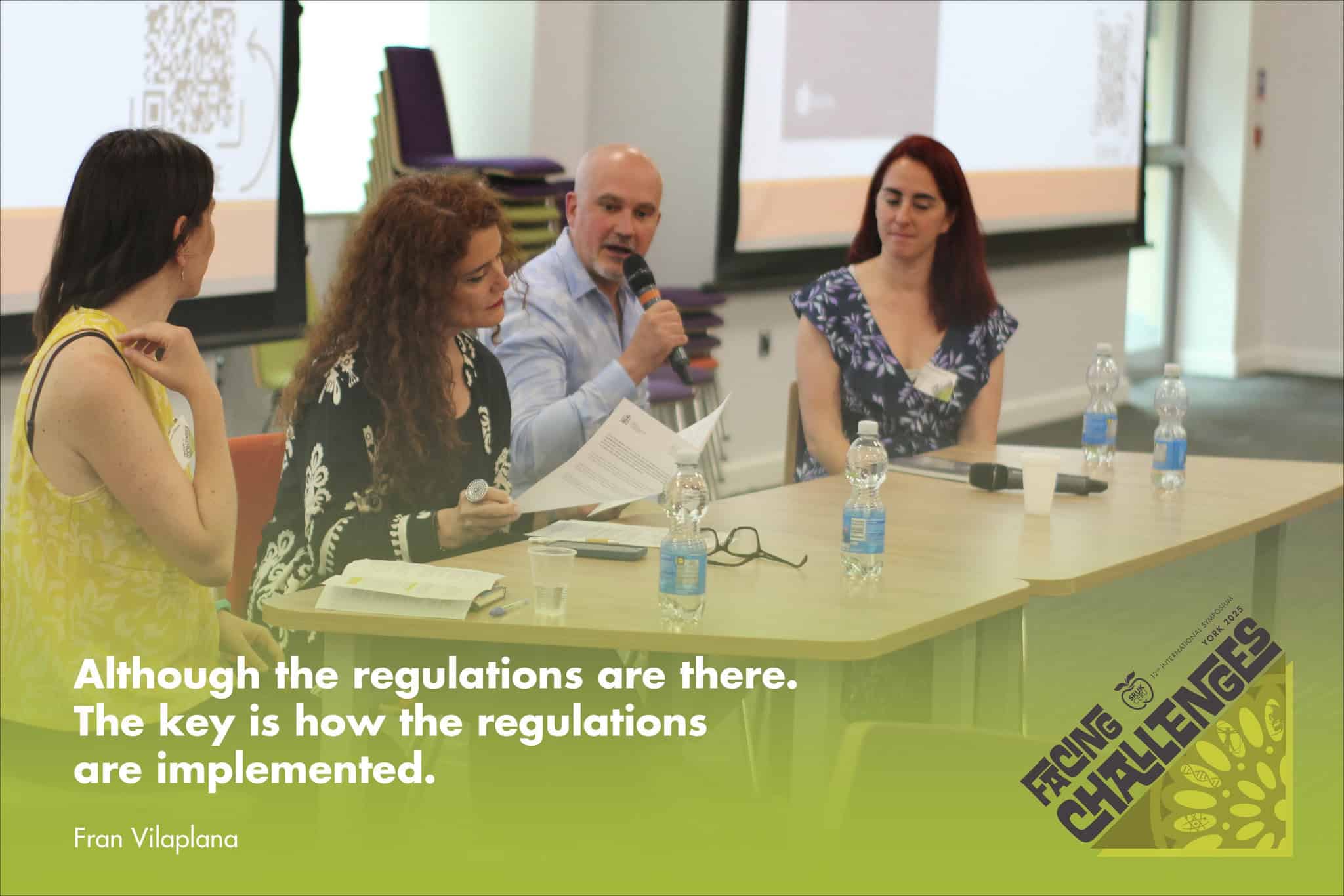
In the afternoon on Saturday, 5th of July, Dr Carmen Sánchez Cañizares, Royal Society University Research Fellow at the University of Oxford, chaired the second round table themed “Recognise to rise: breaking barriers and building visibility for women in research”. The round table included two of the authors of the Network of associations of Spanish researchers and scientists abroad (RAICEX) White Paper on Gender Policies in Science and Academia.
Dr María José Martínez Bravo, Lecturer and Deputy Director of the MSc Drug Discovery programme in the School of Pharmacy at University College London, who wrote the chapter about the United Kingdom; and Dr Eva Ortega Paíno, the Secretary General for Research at the Ministry of Science, Innovation and Universities of Spain, who wrote the chapter about Spain. The third panel member was Professor Francisco Vilaplana, chemical engineer and full Professor at KTH Royal Institute of Technology in Sweden, and involved in the Association of Spanish Scientists in Sweden (ACES)– Margarita Salas Awards. The session started with an overview of the White Paper on Gender Policies delivered by Dr María José Martínez Bravo, who highlighted the leaky pipeline metaphor describing women’s representation in science as they progress in their careers. All participants agreed that “there are tasks and activities that women and other minority groups do that are not formally recognised or visualised, the key is creating and implementing measurements that take these activities, and merits into consideration”. “Women do not have enough role models, we need to be present to be awarded, we need to work together, it is the moment to work from the basics to the top”, “education and proactive policies will change the research culture”.
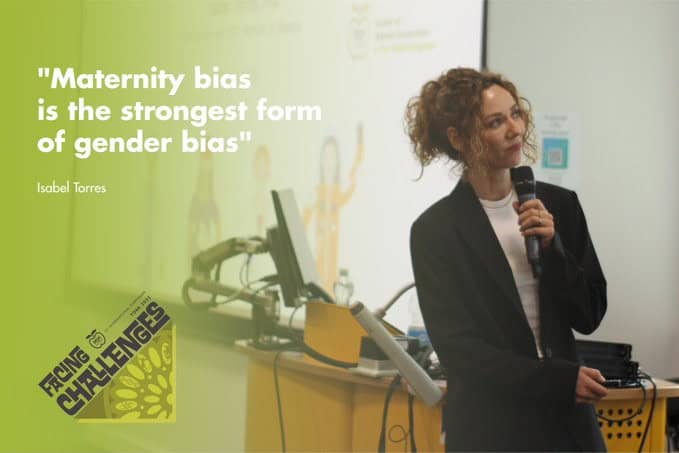
To end the day, a talk delivered by Dr Isabel Torres, co-founder and CEO of Mothers in Science, showcased how parenthood impact career progression in research, “besides facing obstacles for being women, mothers encounter additional barriers to career”, “societal norms and national family policies influence parents’ choices, and indirectly career outcomes, and mothers are disproportionately affected”. “Solutions for parents in research include raising awareness, increasing support, championing gender equality, sharing childcare responsibility, education, and leading with empathy, setting an example”.
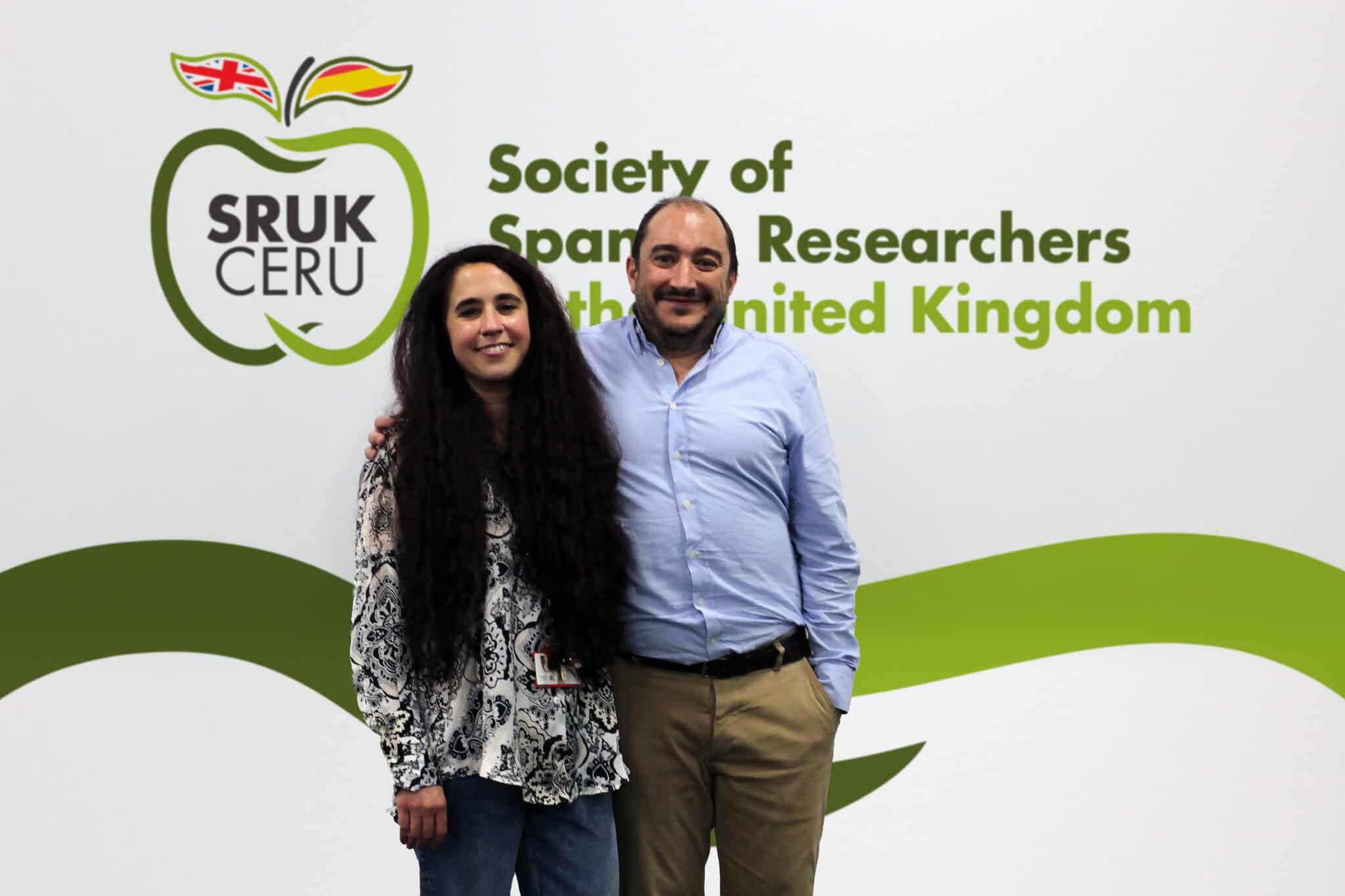
On Sunday, the SRUK/CERU Annual General Meeting announced the new members of the Executive Committee. The Symposium also included short talks and posters from SRUK/CERU members to give visibility to the multidisciplinary projects and research done in the UK. It was also a platform to showcase a selection of the “The art and legacy of Santiago Ramón y Cajal” travelling exhibition prepared by the Neuroscience Committee of the SRUK/CERU. All the Symposium’s attendees also enjoyed a concert by Pablo Zapico at the National Centre for Early Music, playing a replica of a Baroque guitar, the first Spanish guitar, at the 2025 York Early Music Festival. The concert featured a repertoire of pieces by 17th- and 18th-century composers, sponsored among others by the Instituto Cervantes de Manchester, the Spanish Embassy in London and the Consulate General of Spain in Manchester. The 12th International Symposium offered a platform to address some of the most pressing research challenges, and to debate about intrinsic challenges in research that have to be tackled collectively.
Contact
Dr Sara Franco Ortega
Chair of the 12th SRUK/CERU International Symposium SRUK/CERU
Email: [email protected]
Galicia is the region with the highest growth in R&D spending (+28% in 2023, according to INE data), reaching €963 million, and according to the journal Nature, it is becoming an emerging scientific powerhouse. The Galician Innovation Agency (Axencia Galega de Innovación), which works to boost Galicia’s R&D&I ecosystem, launched the Oportunius Programme in 2014 with the aim of attracting national and international scientific talent. Since then, it has supported 34 ERC researchers, 20 of whom have been directly hired as distinguished research staff, leading 42 projects in Galician organisations.
At the 12th SRUK/CERU International Symposium, we learned some details about this programme, a talent attraction initiative focused on scientific excellence that offers complementary funding and advantageous working conditions for researchers who hold a European Research Council (ERC) grant and wish to transfer their project to one of the Galician host institutions collaborating in the programme.
For finalists in ERC calls, Oportunius offers financial support and training services, proposal review and interview preparation to increase the chances of success in subsequent calls. Training and proposal review services are also offered to potential candidates applying to a Galician host institution.
In addition, researchers of Galician origin or descendants of Galician emigrants can also benefit from other initiatives of the Xunta de Galicia, such as the Galicia Retorna Strategy, which offers specific support on issues such as access to housing or schooling for the children of returnees, for example, and which has a Comprehensive Return Advice and Monitoring Office.
You can find more information and contact details for the Galician Innovation Agency (Axencia Galega de Innovación) at the following links.
The Galician Innovation Agency is a partner of our symposiums.
London, United Kingdom, May 23, 2025
The recent EU-UK Summit concluded with agreements to address the post-Brexit friction in some policy areas by establishing substantial collaboration and a stronger and forward-looking relationship between the two entities. Youth mobility was one of the key topics discussed and was officially included in the “Common Understanding for a renewed agenda for European Union-United Kingdom cooperation”. The agenda introduces the idea of a future “youth experience” scheme, supported by a dedicated visa route, which would allow young people to move across borders to work, study, volunteer, or travel. It also envisions the UK rejoining the Erasmus+ programme under mutually agreed terms that ensure fair financial contributions and benefits.
At CONNECTS-UK, we welcome this development and mutual agreement.Youth mobility has become an increasingly visible issue across sectors since Brexit took effect, with multiple communities shedding light on the gaps of the post-Brexit era concerning the range of untapped opportunities that the movement of young people between the EU and the UK offers. While the renewed agenda on youth mobility agreed at the summit seems promising, we believe it should be met with concrete steps, ensuring its implementation with solid policy progress. This is especially important in the current context, given that the recent publication of the UK Government’ new White Paper on Immigration clearly signals an overall tightening of UK migration policy, casting doubts on the government’s intention to facilitate mobility.
As we closely and cautiously follow the developments, we are keen to see any youth mobility agreement integrated into a broader and more ambitious approach to talent mobility, as we consider it a crucial step to the strengthening of ties between the UK and the EU. CONNECTS-UK has consistently advocated for this step, as seen in the statement we released earlier this year, stating what an EU-UK youth mobility scheme should look like: accessible, responsive to the realities of young people’s lives in education, research, and early career development, and grounded on the pillar that mobile talent enables the UK to maintain its status as global leader in research and innovation.
More recently, we participated in a public debate on “Youth Mobility between the UK and the EU” organised by the European Parliament Liaison Office in the UK, New Europeans UK, and the British Youth Council. In that forum, we underlined that a youth mobility scheme must go beyond symbolic gestures – it should deliver tangible, long-term benefits for individuals and societies alike, particularly by strengthening the UK and EU’s competitiveness through enhanced academic and student mobility.
As a platform of EU researchers based in the UK, we are not only directly impacted by these developments but also deeply engaged in shaping the path forward. Hence, we remain committed to supporting a youth mobility framework that enables young people to move across borders, instilling innovation, academic excellence, and international collaboration in both the UK and the EU.
Authors:
Virginia A. Amigo Dotras – CONNECTS-UK
Igor Arrieta – Society of Spanish Researchers in the UK (SRUK/CERU)
Catarina M. Liberato – Portuguese Association of Research and Students in the UK (PARSUK)
London, May 20, 2025. As a network of European researchers committed to fostering scientific collaboration between the UK and Spain, the Society of Spanish Researchers in the United Kingdom (SRUK/CERU) expresses deep concern regarding the UK Government’s White Paper “Restoring Control over the Immigration System”. Several of the proposed reforms risk undermining the UK’s ability to remain globally competitive in research, science and innovation.
Throughout the White Paper, migrants are often portrayed as a strain on public services rather than as contributors to society. This narrative risks further stigmatising international undergraduate and graduate students, researchers, and skilled professionals—groups that play a vital role not only in the UK’s scientific excellence and cultural richness, but also in its economic development and growth.
The White Paper outlines the objective of reducing overseas recruitment in favour of domestic training. We would like to point out that science and research are intrinsically inter- and trans-national endeavours. We are particularly concerned by a number of proposed measures that could directly affect the international mobility, recruitment, and retention of researchers in the UK. Below are some of the areas set out in the White Paper that could significantly impact the ability of the UK research system to attract and support global scientific talent:
The UK’s global leadership in research and innovation depends on its ability to attract, support, and retain international talent. The measures outlined in the White Paper risk creating additional barriers for researchers and academic institutions at a time when global competition for talent is intensifying.
We urge policymakers to ensure that future immigration policies are designed with the realities of the research ecosystem in mind—acknowledging the international, collaborative, and highly mobile nature of academic careers. A fair, inclusive, and flexible migration system is essential not only for sustaining excellence in UK science but also for ensuring the country’s long-term economic resilience and international standing.
About SRUK/CERU
The Society of Spanish Researchers in the UK (SRUK/CERU) is a non-profit organisation established in 2012 representing Spanish nationals working in R&D&i in the UK. With over 400 individuals in our network, including around 280 members and 150 affiliated friends across all disciplines and career stages, SRUK/CERU has actively monitored the challenges and opportunities associated with Brexit and their impact on Spanish researchers both in the UK and elsewhere. Through its surveys and other initiatives, SRUK/CERU aims to address the challenges posed by Brexit and advocate for the interests of its members. The Society engages with key stakeholders, including academic institutions and governmental bodies, to inform policy and drive positive change. SRUK/CERU also leads the EU-funded project CONNECTS-UK, which brings together European research diasporas, and coordinates the Science Policy and Diplomacy Commission within the Network of Spanish Scientists and Researchers Abroad (RAICEX).
This statement was drafted by the Science Policy Department and approved by the Executive Committee of SRUK/CERU. For more information, please contact:
Dr Igor Arrieta, Head of Science Policy [email protected]
When we talk about the intestinal barrier, we usually think about mucus and its epithelial cells. While this is indeed true (we already talked about this in the SRUK/CERU Blow some time ago), there is a lesser-known yet crucial component: the intestinal glycocalyx. Even though the glycocalyx is not a new cellular component (its discovery dates back to 1969 [1]), it has only been quite recently that we have discovered its function in vitro (we also wrote another post in this blog to discuss this).
This protective layer, which mainly consists of proteins called membrane mucins, covers the intestinal cells and acts as a first line of defense against microorganisms and toxins in vitro. In fact, our research group discovered that MUC17 is one of the main components of the intestinal glycocalyx and starts to develop during infancy, just when microbiota colonises our gastrointestinal tract.
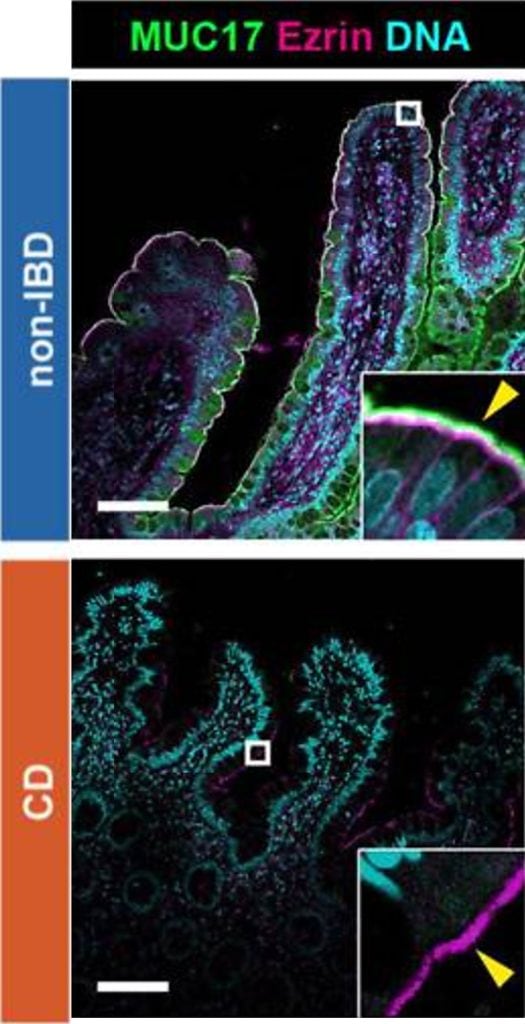
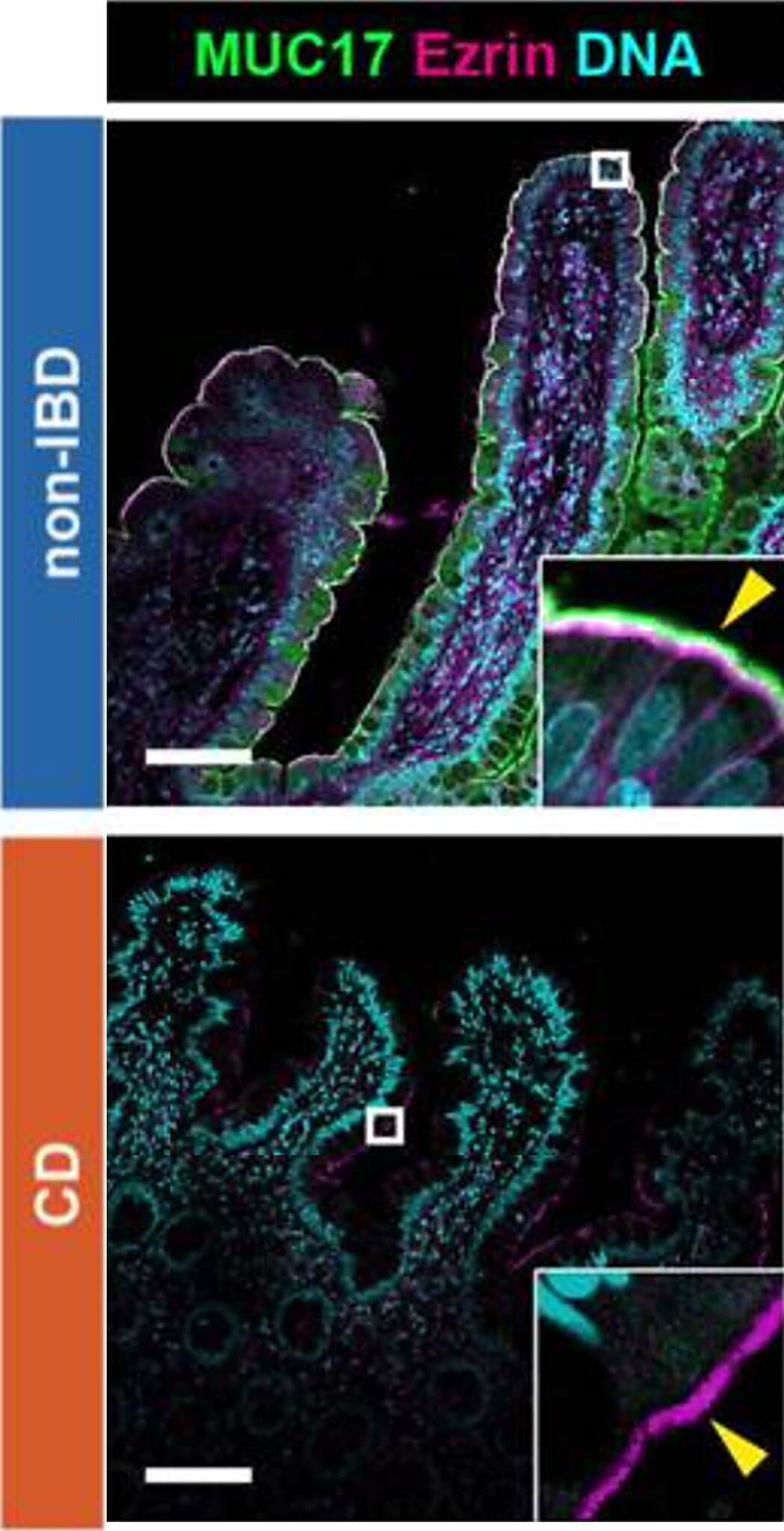
Nevertheless… What happens if this line of defense weakens? Our latest findings, published in the Journal of Clinical Investigation Insight [2], show that when there is less MUC17, the intestine becomes more exposed to infections. As if that was not striking enough, we also observed that reduced levels of MUC17 could be linked to Crohn’s disease, a chronic inflammatory bowel pathology. In this new study, we found that patients with Crohn’s disease have reduced levels of MUC17 as shown in Figure 1.
Under this scenario, bacteria and intestinal epithelial cells tend to be closer, which could be key to understand how the disease evolves. Crohn’s disease is an inflammatory disorder that can affect any part of the digestive tract, although it is usually found in the small intestine. Its origin is still unclear, but it is known that certain disruptions in the intestinal barrier allow bacteria to enter, which triggers abnormal immune responses.
To further explore the role of MUC17, we developed a conditional knockout mouse model to study the gene responsible for this glycocalyx component: Muc17 gene. We genetically modified this type of mice to ‘deactivate’ this gene in intestinal epithelial cells. These mice cannot produce MUC17, which makes them resemble patients suffering from Crohn’s disease, and thus allows us to further study the role of this gene.
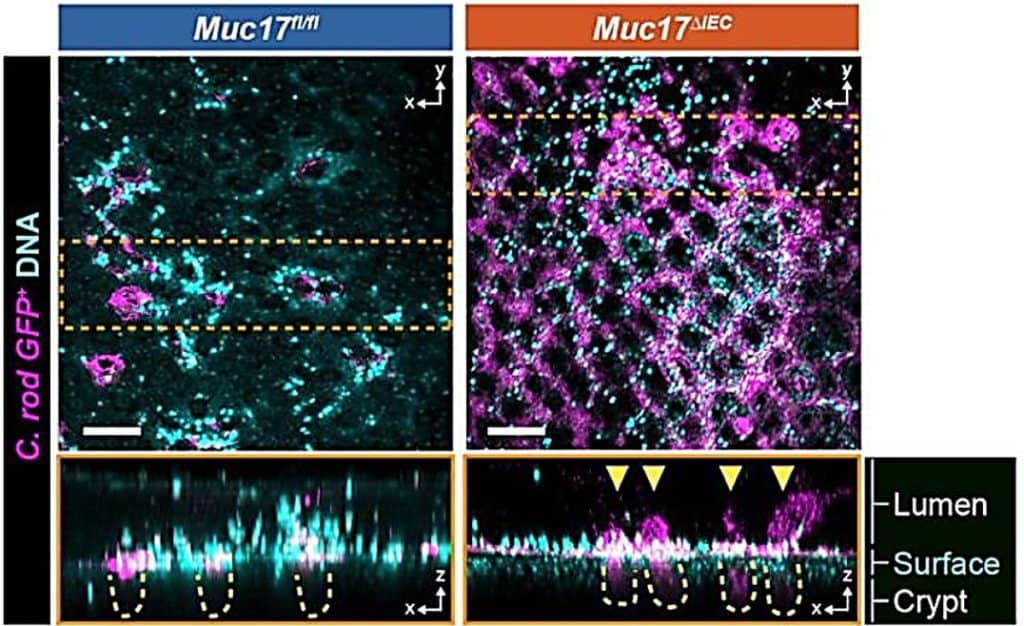
Our results were clear: these mice were more vulnerable to atypical intestinal infections (see Figure 2), showed disrupted epithelial homeostasis, and even had an abnormal microbiota (see Figure 3). Consequently, the absence of MUC17 seems to foster an environment conducive to chronic inflammation, as well as it is observed in Crohn’s disease.
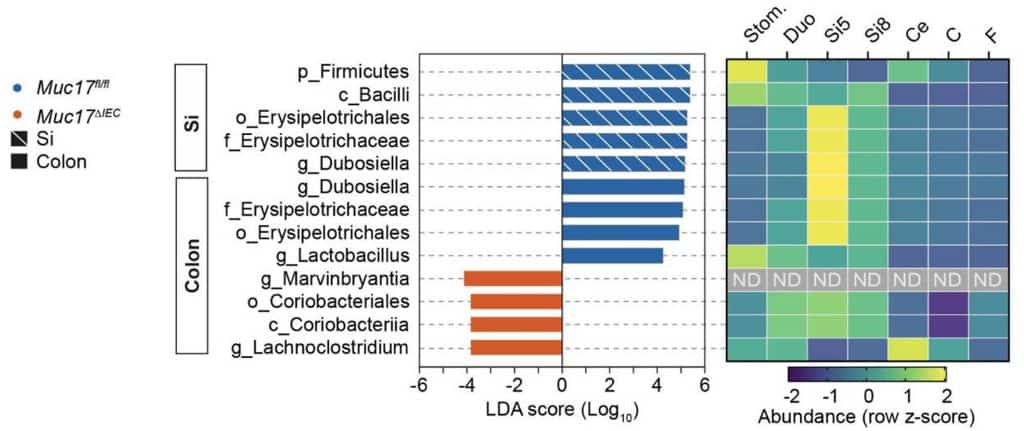
This discovery marks a turning point: if the absence of MUC17 can alter both microbiota and intestinal homeostasis, could other environmental factors—such as diet or stress—worsen this issue? The effects of external factors may be key to understand how some people develop intestinal diseases, even when there is no genetic predisposition. Now, the main question: how can we strengthen this intestinal barrier to prevent gastrointestinal disorders? If reduced MUC17 contributes to intestinal barrier disruption, one possible strategy could focus on stimulating its production or stability within the barrier. In this context, IL-22 (an interleukin that helps repair damaged tissue and strengthens natural barriers such as the intestinal lining) may be an interesting molecule for future research given its role in how the MUC17 glycocalyx develops during infancy.
Currently, many questions such as the following still remain unanswered: what other factors could promote the formation and stability of the intestinal glycocalyx? Could MUC17 become a new therapeutic target for Crohn’s disease and other gastrointestinal disorders? If MUC17 is key target, could we train our microbiota to help maintain our intestinal barrier in an optimal state? Perhaps one day intestinal diseases may be prevented by closely monitoring diet and microbial colonisation of the gut during infancy, which implies following preventive measures from the very first moments of life.
When one door closes in research, many more tend to open. Rarely does one live long enough to fully close a research topic, and that is what keeps us going! Until your last breath, you can always be excited about discovering something new! As long as the glycocalyx keeps revealing secrets about how the gut system works, we shall keep playing detective. See you in the next chapter of this mystery!
By Elena Layunta Hernández (@ELayunta). Assistant Professor at the Department of Anatomy, Embryology, and Animal Genetics | Faculty of Veterinary | IUI Mixto Agroalimentario of Aragón (IA2) | University of Zaragoza.
More information:
London, UK, April 29, 2025
On April 16, the Supreme Court of the United Kingdom issued a ruling regarding the definition of ‘woman’ and ‘sex’ in the Equality Act (EA) 2010. The ruling interprets these concepts to refer strictly to biological sex assigned at birth, but refuses to provide a definition for what ‘biological sex’ refers to, and takes for granted a binary understanding of sex despite vast scientific evidence against it.
The Society of Spanish Researchers in the UK (SRUK/CERU), whose members include scientists and researchers, expresses its deep concern about the essentialist understandings of sex and gender that lie behind this sentence, and the wider impact of the ruling for the human rights of trans, intersex and nonbinary people in the UK. ‘Sex’, as it is used in contemporary biology, is a polysemic concept, and can refer to a variety of criteria including genes, chromosomes, gonads, secondary sex characteristics, psychological aspects and social and legal elements. We find a similar degree of diversity in the relevant scholarship of other fields such as social and cultural anthropology, legal studies, social psychology, history, philosophy and gender studies.
The Court’s ruling has been adopted without listening to any testimony from affected trans, intersex or nonbinary citizens or organisations, which raises questions surrounding testimonial justice and procedural fairness. It also raises multiple concerns regarding how its application is going to be enforced while respecting international human rights resolutions regarding not only LGBTQI+ people, but also women in general. While the ruling states that it does not seek to “define the meaning of the word ‘woman’ other than when it is used in the provisions of the EA 2010” or to “adjudicate on the arguments in the public domain on the meaning of gender or sex”, recent statements by PM Keir Starmer and Equalities Minister Bridget Phillipson have taken it to be a clarification on exactly that, in a broader climate of institutional and media hostility towards trans and gender-variant people.
We would like to voice further concerns regarding the way in which this interpretation is going to be enforced, in light of a recent policy by the British Transport Police that mandates that it be male officers who strip search people who they might perceive to be trans women, which does not guarantee basic safeguards for trans women, nonbinary people or cis women who they might wrongly perceive to be trans. Policing of gender expression and biological sex for provisions like the use of public toilets, changing rooms and women’s associations, as implied by the recent EHRC interim guidance on the topic, sets a dangerous precedent for the privacy, safety and freedom from degrading treatment of all women, nonbinary people and trans men. Similarly, the use of these criteria to regulate access to services like sexual and domestic violence counseling or equal pay claims will take a toll on some of the most vulnerable members of these communities.
We call on the Parliament and Government to take immediate legal action and institutional reforms to adequately reflect the diversity of lived gender realities and the challenges they face, listening to updated scientific evidence and the experiences of affected groups in accordance with international regulations. We also ask the Government to uphold dignity, safety, and full inclusion for all.
At SRUK/CERU, we stand in solidarity with trans, intersex and nonbinary communities in the UK and beyond. They are, and always will be, welcome in our community. We are committed to amplifying their voices, celebrating their identities, and ensuring their visibility through our activities.
About SRUK/CERU
The Society of Spanish Researchers in the UK (SRUK/CERU) is a non-profit organisation established in 2012 representing Spanish nationals working in R&D in the UK. With over 300 members and 150 affiliated friends, SRUK/CERU has actively monitored the challenges and opportunities associated with Brexit and their impact on Spanish researchers both in the UK and elsewhere. Through its surveys and other initiatives, SRUK/CERU aims to address the challenges posed by Brexit and advocate for the interests of its members. The Society engages with key stakeholders, including academic institutions and governmental bodies, to inform policy and drive positive change. SRUK/CERU also leads the EU-funded project CONNECTS-UK, which brings together European research diasporas, and coordinates the Science Policy and Diplomacy Commission within the Network of Spanish Scientists and Researchers Abroad (RAICEX).
● The Society of Spanish Researchers in the United Kingdom (SRUK/CERU) and Fundación Banco Santander announce the tenth edition of the Emerging Talent Award, which recognises the career achievements of young Spanish researchers working in the UK.
● Applications are open until 10 May 2025 at 23:59 (UK time).
London, 22 April 2025. The Society of Spanish Researchers in the United Kingdom (SRUK/CERU), in collaboration with Fundación Banco Santander, is pleased to announce the tenth edition of the Emerging Talent Award. This award highlights the contributions of young Spanish scientists conducting research in the UK and aims to support the development of their professional careers.
As a pioneering initiative, the award not only showcases emerging research talent but also reinforces institutional commitment to science within and beyond Spain’s borders. The winner will receive a financial prize of £14,000, which must be used to support their professional development, along with a commemorative sculpture created by renowned Spanish artist Cristina Iglesias.
Previous editions of the award have honoured researchers such as Dr Eva Hevia (University of Strathclyde), Dr Xavier Moya (University of Cambridge), Dr David Fairén (University of Cambridge), Dr Marc Vendrell (University of Edinburgh), Prof Susana García López (Research Centre for Carbon Solutions, Heriot-Watt University), Dr Rodrigo Ledesma Amaro (Imperial College London), Dr Nuria Tapia Ruiz (Imperial College London), Dr Roser Vento Tormo (Sanger Institute, University of Cambridge), and Dr Emilio Martínez-Pañeda (University of Oxford).
Borja Baselga, Director of Fundación Banco Santander, stated: “At Fundación Banco Santander, we are proud to support this project, which strengthens scientific collaboration between the UK and the European Union, promotes the development of R&D&I policies, and raises public awareness of the outstanding work carried out by European researchers in the UK.”
Javier Pardo Díaz, President of SRUK/CERU, added: “This award underscores the importance of international and inter-institutional collaboration in science and innovation. We are proud to recognise and support the outstanding careers of Spanish researchers in the UK and to bring their research closer to the citizens of both countries.”
Eligibility and Selection Process:
Applicants must meet the following criteria:
The award acknowledges the need for equitable evaluation by considering career interruptions such as maternity/paternity leave, illness, or caring responsibilities.
Applicants must submit the following documents:
All applications will be reviewed by a committee of esteemed researchers. The final decision will be ratified by an honorary jury composed of SRUK/CERU’s president, representatives of Fundación Banco Santander, and members of other collaborating institutions. The award recipient will be announced by the end of June 2025.
Full details of the call, including evaluation criteria and the application form, can be found here.