- The Society of Spanish Researchers in the UK (SRUK/CERU) organised its 12th International Symposium in York, themed “Facing Challenges”, addressing both some of the most pressing research questions worldwide and some more intrinsic and personal obstacles in the daily life of a researcher.
- Themes such as climate change, human health and artificial intelligence were addressed in talks. Round tables discussed how to combat scientific misinformation, the importance of scientific awards impacting women’s careers, and how parenthood impacts career progression in STEM.
- Dr Eva Ortega Paíno, the Secretary General for Research at the Ministry of Science, Innovation and Universities of Spain, Mr José María Robles Fraga, the Minister Counsellor for Cultural & Scientific Affairs, founders of international non-profit organisations, renowned UK and Spanish researchers and research-adjacent professionals and students have engaged in the three-day event.
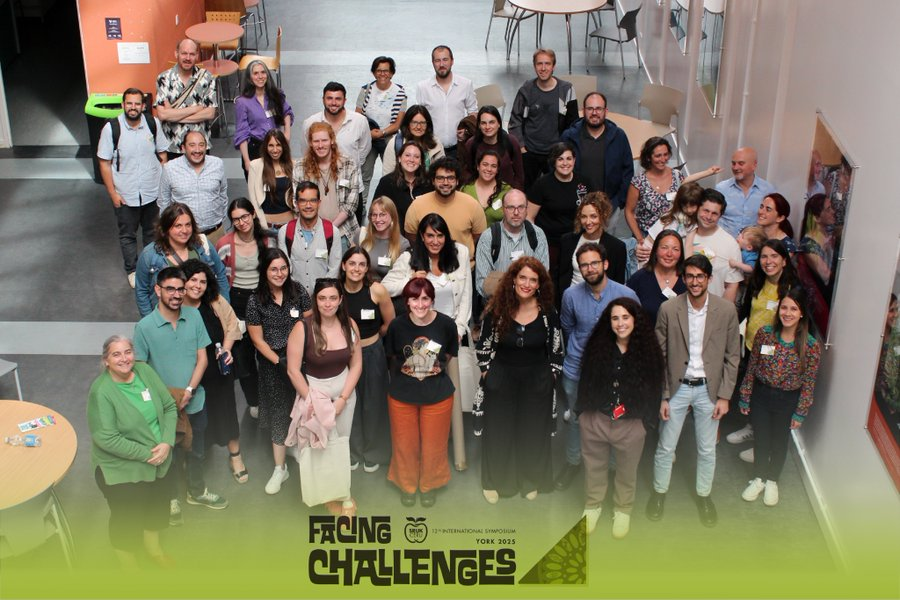
York, 4th July 2025. The Society of Spanish Researchers in the United Kingdom (SRUK/CERU) hosted its 12th International Symposium this weekend themed “Facing Challenges” exploring some of the most pressing global research themes such as climate change, human health and the rise in artificial intelligence, as well as other obstacles in the life of researchers, such as combating scientific misinformation or fighting inequalities. The event on Friday took place at Merchant Taylors Hall, a 600-year-old building, featuring medieval architecture and used for associations of merchants to protect Taylors’ interests and promote support for each other through difficulties. The event was hosted by Dr Sara Franco Ortega, Chair of the 12th SRUK/CERU International Symposium, and counted with approximately sixty attendees. After hearing the history of the Hall, the event followed with welcome speeches. Dr. Javier Pardo Diaz, SRUK/CERU President, remarked the work of all SRUK/CERU volunteers during the year; Mr José María Robles Fraga, the Minister Counsellor for Cultural & Scientific Affairs from the Embassy of Spain in London, highlighted the importance of science diplomacy and Dr. Eva Ortega Paíno, the Secretary General for Research at the Ministry of Science, Innovation and Universities of Spain,highlighted the necessity to communicate and collaborate between the scientific community. The opening ceremony also included talks from Mr Raimundo Pérez-Hernández y Torra, Director of the Ramón Areces Foundation, anda sponsorship video from Axencia Galega de Innovación.
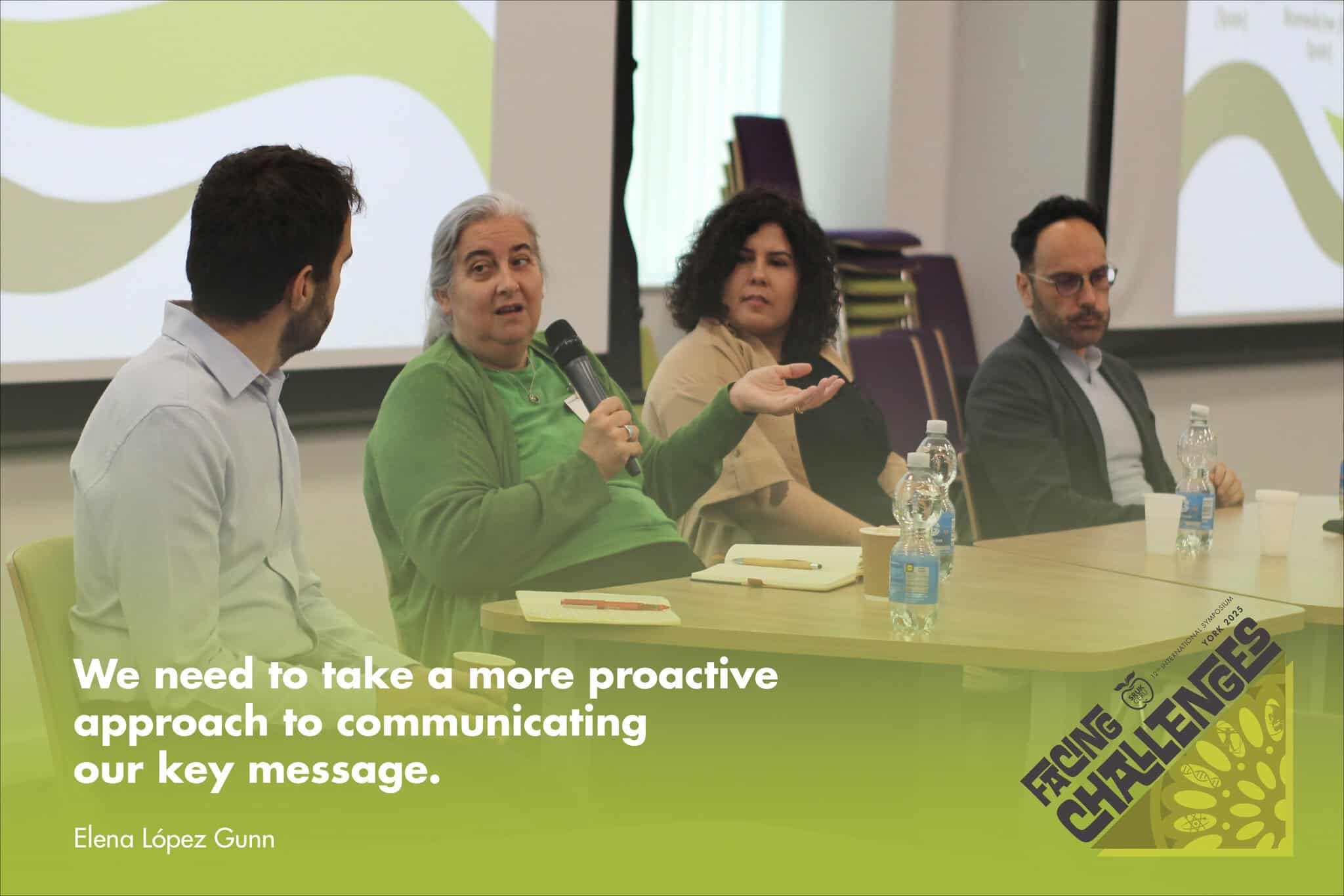
The first keynote speaker was Dr. Elena López Gunn, founder and director of the climate-adaptation startup ICATALIST in Spain, and a Senior Research Fellow at the Elcano Royal Institute, as well as a lead author in the Intergovernmental Panel on Climate Change (IPCC) Working Group II. In her talk “Climate Change: Thriving through Uncertainty”, she explained how “climate change remains an existential threat, with 2024 being the hottest year on record globally”. “In Europe, the continent experienced record heat stress and an unprecedented number of frost-free days, causing human and economic losses due to extreme heat, catastrophic flooding, and disruptions to critical infrastructure”. “Climate change has affected all components of the water cycle and all water use sectors in all regions, most Impacts are negative”, and used the October 2024 floods in Valencia, Spain, as an example of extreme events and the environmental, economic, social and political consequences. Her talk ended on a more positive note by confirming “identify and implement catalysing interventions to transition proactively to a climate-resilient society” and the importance of “stakeholders and citizens engagement for Climate change adaptation”.
On Saturday, the symposium included a talk from Dr Patricia González Rodríguez, a neuroscientist and Principal Investigator working on bioenergetics and metabolism in Parkinson’s Disease at the Institute of Biomedicine of Seville (IBiS, Spain). She developed the first progressive mitochondrial mouse model of Parkinson’s that mirrors human pathology. She explained how the symptomatology and risk factors depend on the biological sex, and she also stressed, “by the time you see these symptoms, it is already 10 years late”, “early diagnosis is essential”. She then explained her research on mitochondria, the cell’s powerhouses, and how, when dysfunctional, they can trigger Parkinson’s disease-like symptoms in mice. Her research opens the door to new treatments in the early stages of Parkinson’s disease, rescuing the loss of dopaminergic neurons, which produce dopamine, a chemical in human bodies that controls movement, and a hallmark of the disease. The second keynote speaker on Saturday, Dr. Javier Andreu-Pérez, Associate Professor at the University of Essex, guided the attendees on “The Language of Machine Perception”. He explained what General Artificial Intelligence machines can do, “predicting the most likely next word” and how they “do not reason like humans do” as “human reason based on premises, axioms and perceptions (concepts)”. He navigated through some practical applications of artificial intelligence to help predict how mutations in the DNA of cells lead to cancer, or help neuroscientists understand how brains react to external visual and auditory stimuli. The morning ended with a round table chaired by Dr Fernando Gomollon Bel, co-founder of AGATA and expert in science communication, and the three keynote speakers, discussing how to “combat scientific misinformation”, or false or inaccurate scientific information that is spread without intent to deceive. The three keynote speakers agreed that “opinion is not information, “it is not a fact”, and “the speed and volume of misinformation make it difficult to discriminate the truth”. They discussed how challenging it is for researchers to communicate their knowledge to the public due to a lack of training and guidance. However, all agreed that it requires a multifactorial solution: starting with how researchers frame data to make it more understandable, removing restrictions in the information flow, adopting a more proactive communication strategy, and regulating and implementing limits on artificial intelligence to help combat scientific misinformation.
El sábado 5 de julio por la tarde, tuvo lugar una segunda mesa redonda moderada por la Dra. Carmen Sánchez Cañizares, Investigadora Asociada por la Royal Society en la Universidad de Oxford . En ella participaron dos de las autoras del Libro Blanco sobre Políticas de Género en la Ciencia y la Academia de la Red de Asociaciones de Investigadores y Científicos Españoles en el Exterior (RAICEX): la Dra. María José Martínez Bravo, profesora y subdirectora del programa de Máster en Descubrimiento de Fármacos de la Facultad de Farmacia del University College de Londres, autora del capítulo sobre el Reino Unido, y la Dra. Eva Ortega Paino, Secretaria General de Investigación del Ministerio de Ciencia, Innovación y Universidades de España, autora del capítulo sobre España. El tercer panel fue el Profesor Francisco Vilaplana, ingeniero químico español y catedrático del Real Instituto Tecnológico KTH de Suecia, miembro de los Premios Margarita Salas de la Asociación de Científicos Españoles en Suecia (ACES).
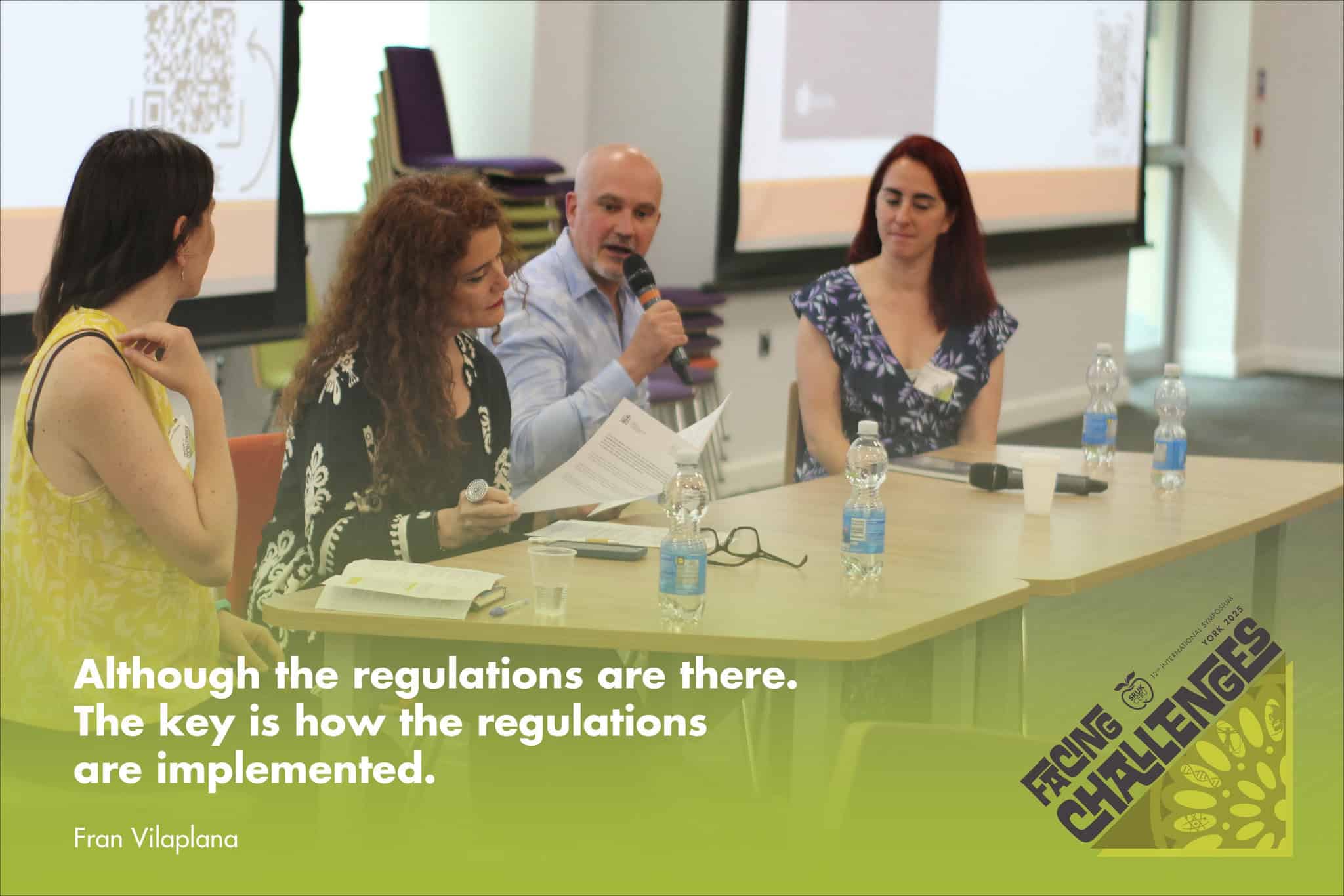
In the afternoon on Saturday, 5th of July, Dr Carmen Sánchez Cañizares, Royal Society University Research Fellow at the University of Oxford, chaired the second round table themed “Recognise to rise: breaking barriers and building visibility for women in research”. The round table included two of the authors of the Network of associations of Spanish researchers and scientists abroad (RAICEX) White Paper on Gender Policies in Science and Academia.
Dr María José Martínez Bravo, Lecturer and Deputy Director of the MSc Drug Discovery programme in the School of Pharmacy at University College London, who wrote the chapter about the United Kingdom; and Dr Eva Ortega Paíno, the Secretary General for Research at the Ministry of Science, Innovation and Universities of Spain, who wrote the chapter about Spain. The third panel member was Professor Francisco Vilaplana, chemical engineer and full Professor at KTH Royal Institute of Technology in Sweden, and involved in the Association of Spanish Scientists in Sweden (ACES)– Margarita Salas Awards. The session started with an overview of the White Paper on Gender Policies delivered by Dr María José Martínez Bravo, who highlighted the leaky pipeline metaphor describing women’s representation in science as they progress in their careers. All participants agreed that “there are tasks and activities that women and other minority groups do that are not formally recognised or visualised, the key is creating and implementing measurements that take these activities, and merits into consideration”. “Women do not have enough role models, we need to be present to be awarded, we need to work together, it is the moment to work from the basics to the top”, “education and proactive policies will change the research culture”.
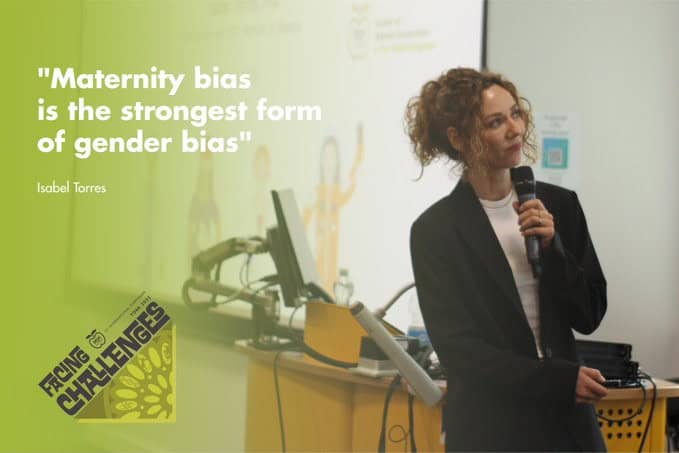
To end the day, a talk delivered by Dr Isabel Torres, co-founder and CEO of Mothers in Science, showcased how parenthood impact career progression in research, “besides facing obstacles for being women, mothers encounter additional barriers to career”, “societal norms and national family policies influence parents’ choices, and indirectly career outcomes, and mothers are disproportionately affected”. “Solutions for parents in research include raising awareness, increasing support, championing gender equality, sharing childcare responsibility, education, and leading with empathy, setting an example”.
On Sunday, the SRUK/CERU Annual General Meeting announced the new members of the Executive Committee. The Symposium also included short talks and posters from SRUK/CERU members to give visibility to the multidisciplinary projects and research done in the UK. It was also a platform to showcase a selection of the “The art and legacy of Santiago Ramón y Cajal” travelling exhibition prepared by the Neuroscience Committee of the SRUK/CERU. All the Symposium’s attendees also enjoyed a concert by Pablo Zapico at the National Centre for Early Music, playing a replica of a Baroque guitar, the first Spanish guitar, at the 2025 York Early Music Festival. The concert featured a repertoire of pieces by 17th- and 18th-century composers, sponsored among others by the Instituto Cervantes de Manchester, the Spanish Embassy in London and the Consulate General of Spain in Manchester. The 12th International Symposium offered a platform to address some of the most pressing research challenges, and to debate about intrinsic challenges in research that have to be tackled collectively.
Contact
Dr Sara Franco Ortega
Chair of the 12th SRUK/CERU International Symposium SRUK/CERU
Email: [email protected]