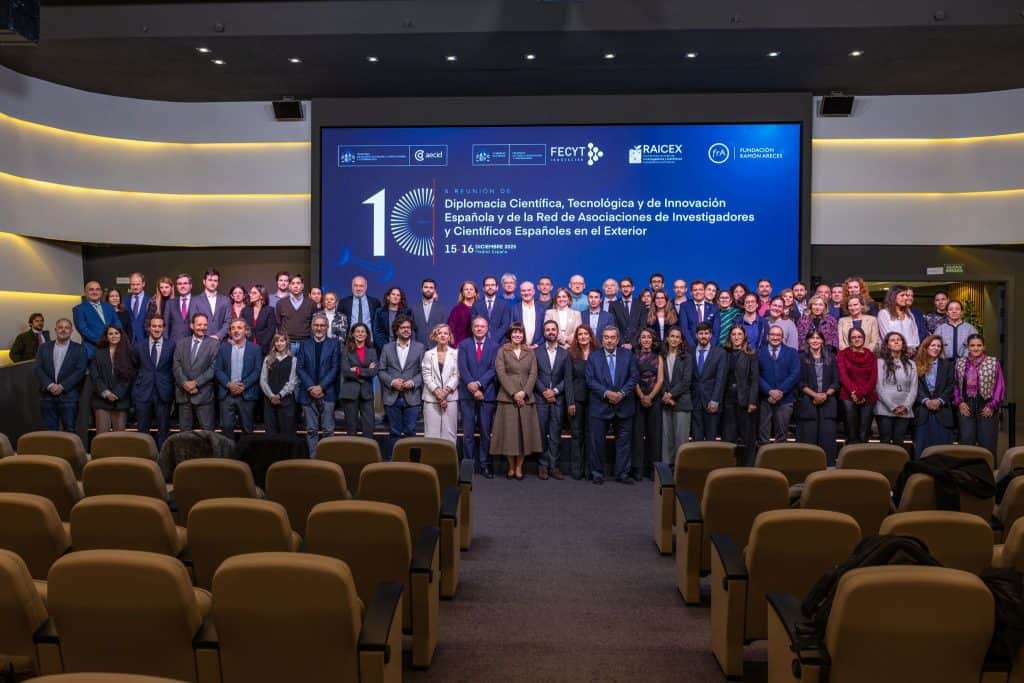
On 15-16 December, the Spanish scientific community came together in Madrid for the 10th anniversary of the Meeting on Scientific, Technological and Innovation Diplomacy, held at the Ramón Areces Foundation and co-organised by the Ministry of Science, Innovation and Universities, FECYT, the Ministry of Foreign Affairs, European Union and Cooperation, AECID and RAICEX.
Now in its tenth edition, the meeting has established itself as a space for dialogue at the intersection of science, technology, innovation and international relations.
SRUK/CERU played an active role, contributing to the discussions and working sessions on behalf of RAICEX:
🔹 In the public session, our Co-Head of Science Policy Dr. Igor Arrieta Torres took part in the roundtable on talent circulation, alongside representatives from FECYT, Spain’s Research Agency (AEI), the Ministry of Science, Innovation and Universities, AseBio and AECID.
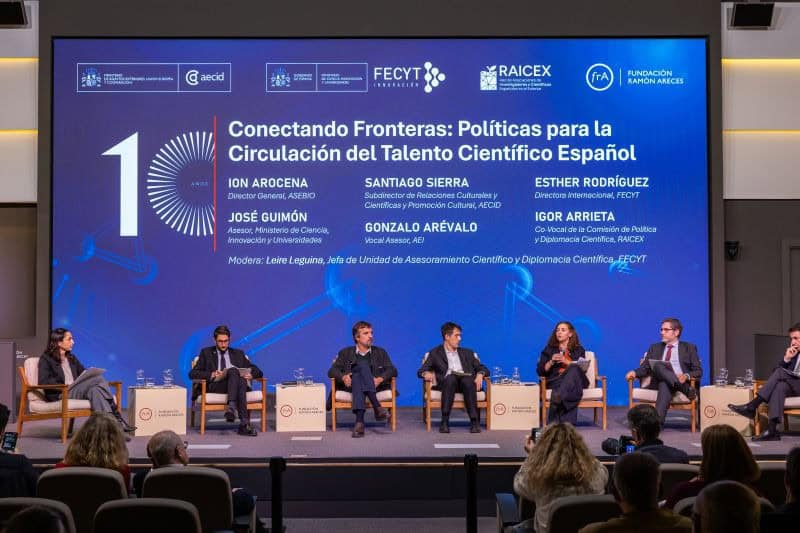
🔹 The debates this year centred on mobility, attraction and retention of research talent, and we highlighted the role of the Spanish scientific diaspora in promoting mobility and talent attraction.
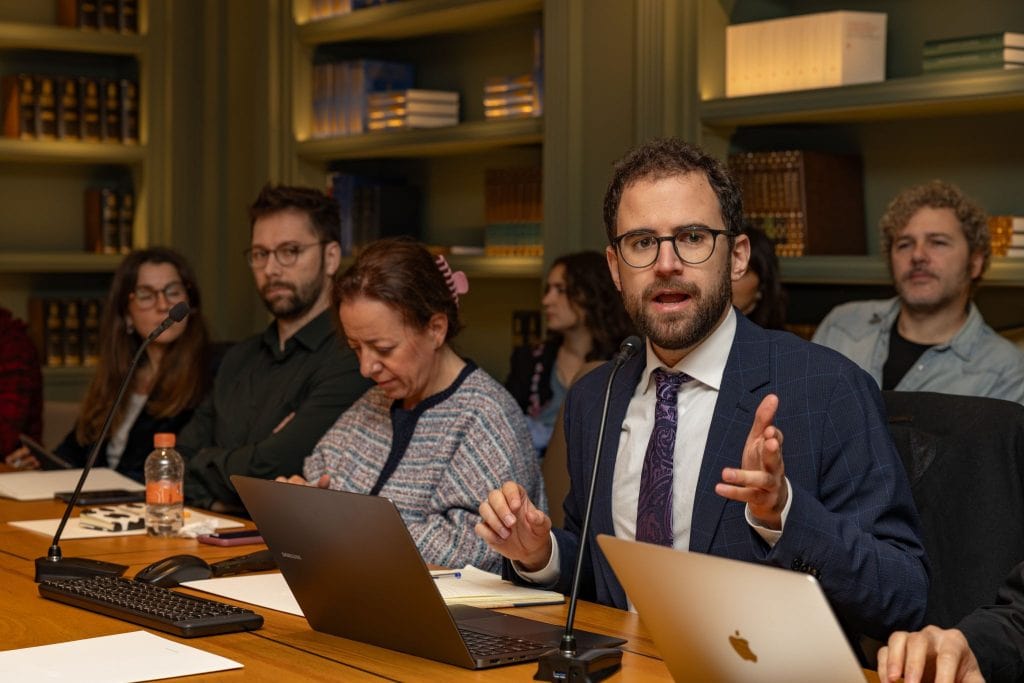
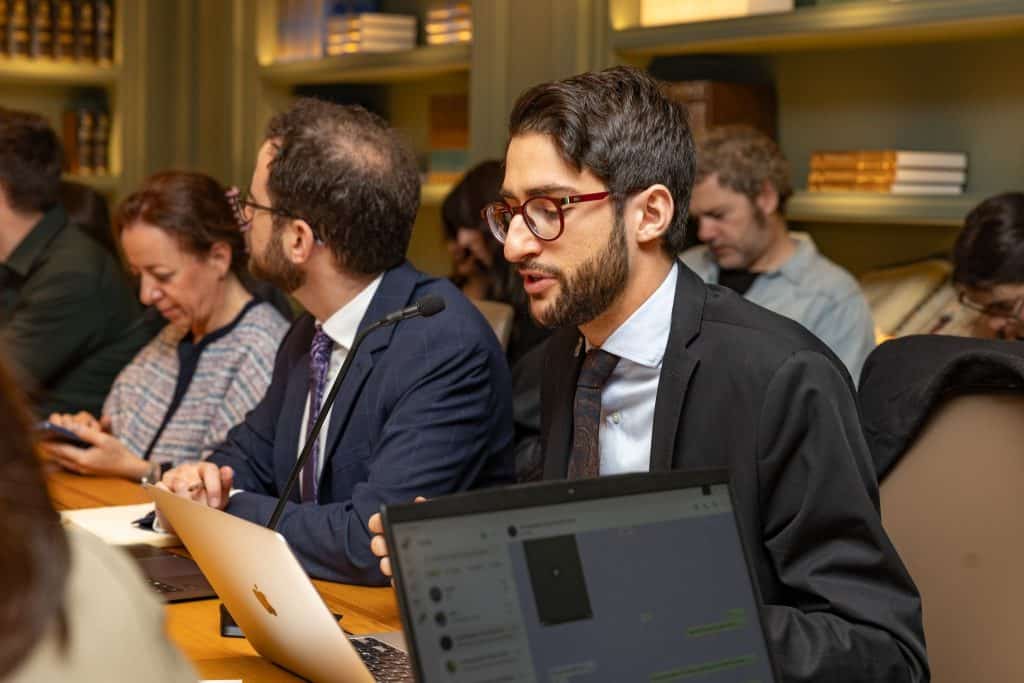
🔹 Our President, Dr. Carlos Soler Montes, co-led the working group on Science in Spanish, and presented the RAICEX’s ACTILEX project: This project intends to explore the use of languages other than English in research with a particular focus of the use of Spanish by Spanish-speaking researchers working abroad. The working session was attended by representatives of Instituto Cervantes, Lilly Foundation, the Ministry of Foreign Affairs and the Ministry of Education.
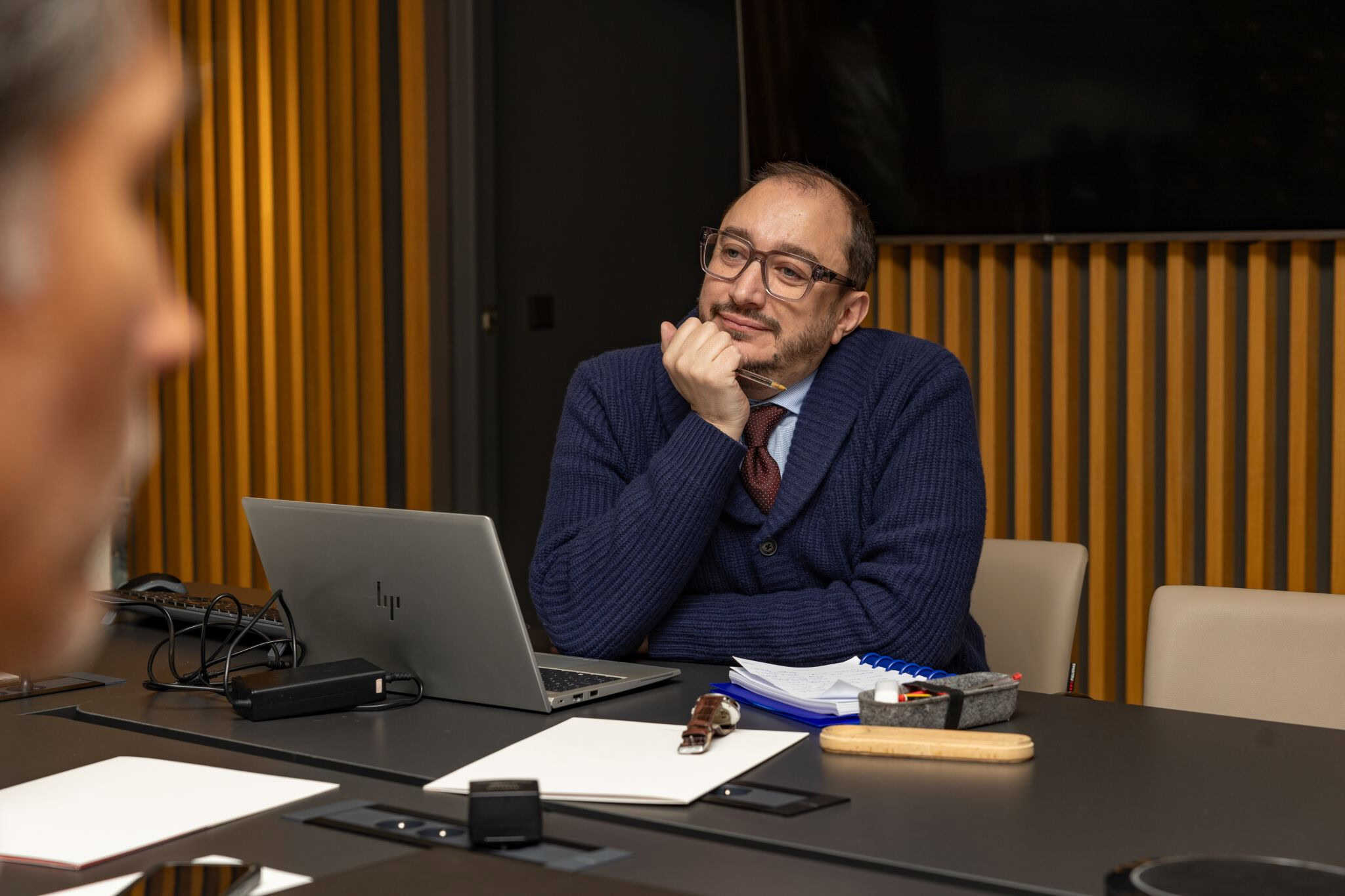
🔹 Our Co-Heads of Science Policy, Dr .Igor Arrieta Torres and Dr. Javier Pardo Dïaz, co-led the working group on scientific advice, engaging with institutions including ONAC, Oficina C, FECYT and CSIC, together with scientific advisers from the Ministry for the Ecological Transition and the Ministry of Education, and Scientific Attachés from the network of Embassies of Spain. Moreover, Dr. Irene Echeverria Altuna and Guillermo Borragan presented their ongoing work in the context of the RAICEX Programme for Scientific Advice.
Watch the full video of the public session at this link.