- The Science of Water: Challenges and Solutions event was celebrated on the 5th of June 2026 at Newcastle University and brought together researchers from different disciplines to discuss key issues related to water governance, sanitation, climate change and community resilience.
- The talks covered the role of evidence in shaping water policy in Scotland, the need to reduce greenhouse gas emissions from wastewater treatment, the importance of understanding how communities experience and respond to drought, and sustainable approaches to water treatment through biotechnology and nature-based solutions.
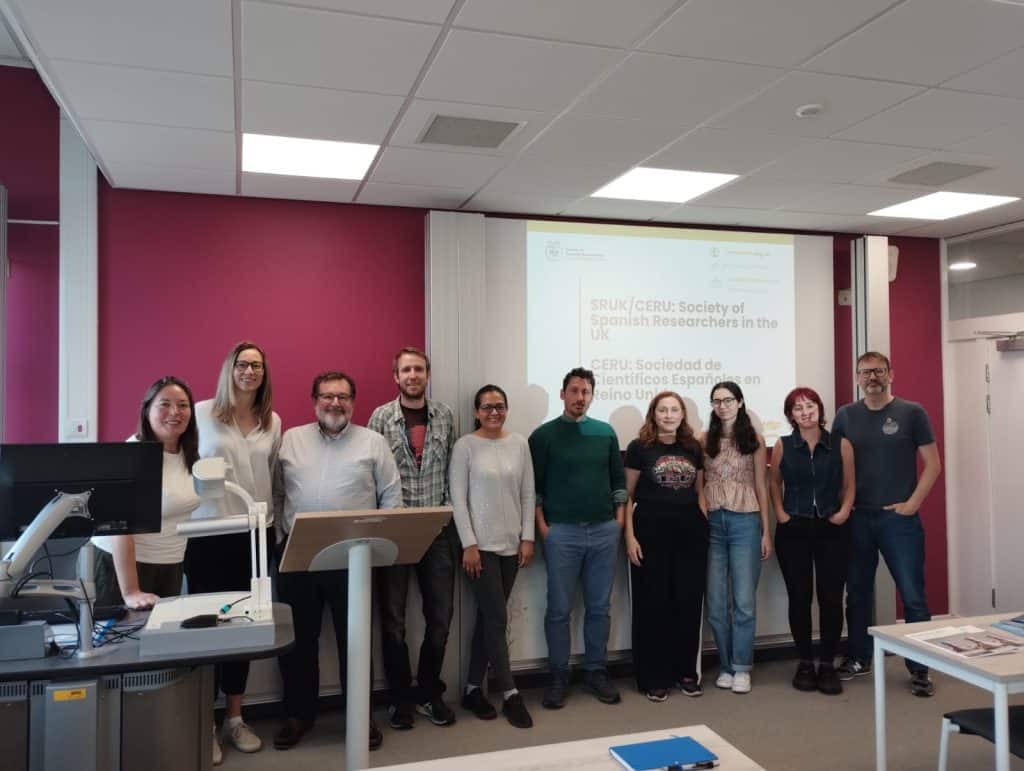
The Science of Water: Challenges and Solutions event brought together researchers from different disciplines to discuss key challenges related to water governance, sanitation, climate change, and community resilience.
The presentations explored the role of scientific evidence in shaping water policy in Scotland, reducing greenhouse gas emissions from wastewater treatment, understanding how communities experience and respond to drought, and developing sustainable water treatment solutions based on biotechnology and nature-based approaches.
The Science of Water: Challenges and Solutions event, organised by the SRUK/CERU Environment Committee at Newcastle University, brought together researchers from different disciplines to address major water-related challenges from social, political, environmental and technological perspectives. The presentations highlighted the importance of integrating scientific research with policymaking and community engagement to tackle issues such as water scarcity, sanitation and climate change.
Jaime Amezaga
Water Policy and Governance in Scotland
The first presentation focused on water governance in Scotland and how scientific evidence can support the development of public policy. It highlighted the importance of understanding the water treatment technologies currently in use, the communities they serve, and the opportunities to translate scientific evidence into decision-making.
The speaker explained that effective policymaking requires the convergence of three key elements: clearly identifying the problem, developing viable solutions, and securing political support.
The presentation also addressed inequalities in access to safe drinking water in some rural areas, where many households remain disconnected from public water networks due to the high costs of infrastructure. In addition, it discussed the challenges associated with on-site sanitation systems and the need to support the most vulnerable communities.
Carlos Domingo Félez
Greenhouse Gas Emissions from Wastewater Treatment
Carlos Domingo Félez examined the role of sanitation in climate change mitigation strategies. He emphasised that investment in sanitation has a direct impact on public health while also creating opportunities for resource recovery through the development of biorefineries.
His presentation focused on methane (CH₄) and nitrous oxide (N₂O) emissions generated during wastewater treatment. He explained that European legislation requires improved monitoring of these emissions and that specific mitigation strategies will be necessary to achieve net-zero targets. Decarbonisation through renewable energy alone will not be sufficient unless emissions from sanitation systems are also addressed.
Axel Pérez Trujillo
Drought Narratives and Community Resilience
From the perspective of the environmental humanities, Axel Pérez Trujillo explored how communities across the Iberian and Latin American world experience and narrate drought. He discussed the influence of climate change and heatwaves on the way water scarcity is perceived and represented.
One of the main messages was that resilience should not be understood as a single technological solution, but rather as a collection of adaptive practices that evolve alongside recurring drought cycles. Using the case of Paraná, Brazil, he illustrated how local communities develop their own strategies to cope with water scarcity.
He also highlighted the potential of storytelling and communication to raise awareness and reshape public perceptions of drought.
Sharon Velásquez Orta
Community Water Treatment and Nature-Based Technologies
The final presentation introduced a case study from Bolivia on sustainable water management in communities with limited access to water treatment systems.
The research combines biotechnology, biochemistry and life cycle assessment to evaluate nature-based solutions, including biochar, microalgae and bioelectrochemical technologies. These approaches aim to improve water quality while contributing to ecosystem conservation and sustainable resource recovery.
The presentation highlighted that many regions still lack reliable information on water quality and access to sanitation, both of which are closely linked to community wellbeing and local development.
The event demonstrated that water-related challenges require genuinely interdisciplinary approaches. Beyond developing new technologies, it is essential to integrate scientific research with governance, public policy, community participation and the social sciences. Across all presentations, there was broad agreement that tackling climate change, ensuring access to safe water and advancing sustainable sanitation will depend not only on technological innovation but also on collaboration between researchers, policymakers, practitioners and local communities.
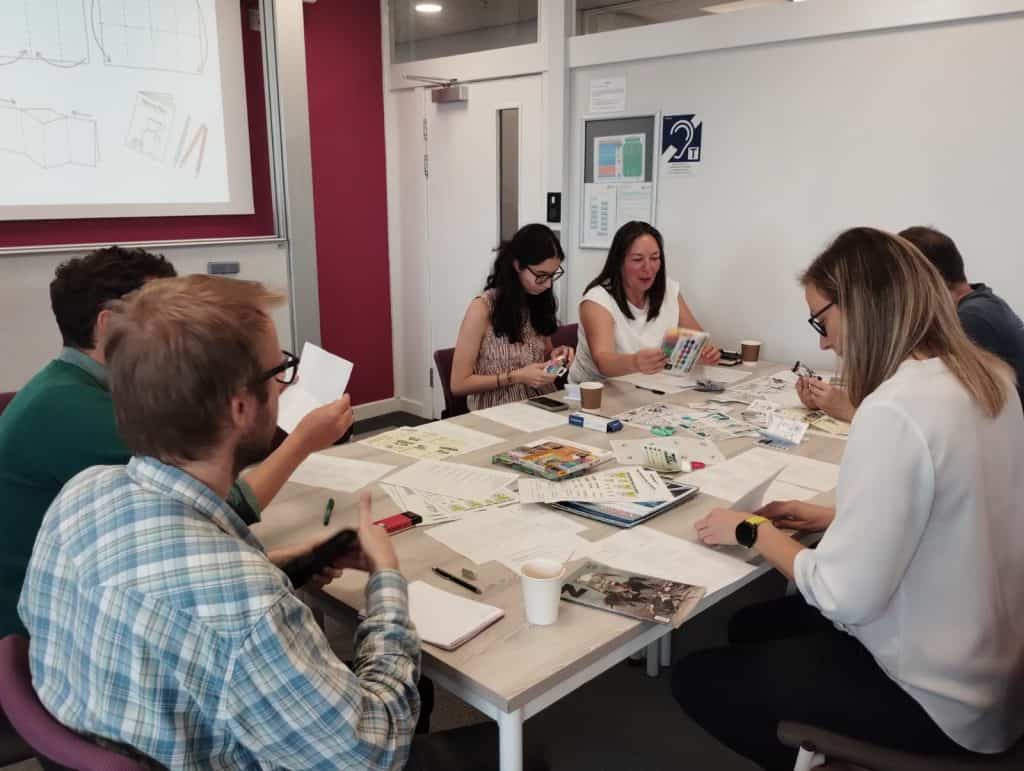
In addition, the SRUK/CERU Design Committee organised a participatory activity in which attendees collaborated to create a fanzine, providing a creative space to reflect on the themes discussed throughout the event and encouraging dialogue between science, design and public engagement.